





Check Out: The Route Episode 43: Passing Craze
Illegal School Bus Passing: More Communication Key to Stemming Crisis
Members of the School Bus Fleet editorial advisory board offer their thoughts on the chronic problem of stop-arm running and illegal passing.
October 4, 2022
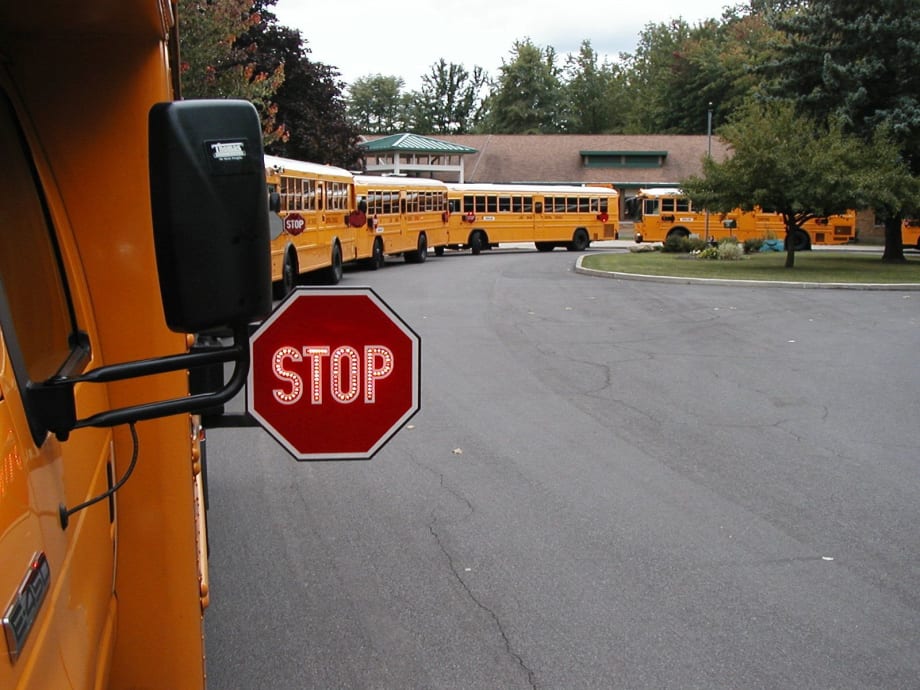
Despite increased awareness among state and federal lawmakers, illegal school bus passing remains a chronic concern for the student transportation industry.
Photo: File, Michael Dallessandro
5 min to read
After a pandemic-induced hiatus, the National Association of State Directors of Pupil Transportation Services (NASDPTS) put its illegal-passing survey back in the field during the 2021-22 school year.
Bus drivers in 34 participating states reported that, on a single day, more than 51,000 vehicles passed stopped school buses.
“These numbers, when adjusted for 100% of the school bus drivers across the country, show that, unfortunately, illegal passings of stopped school buses are at an epidemic level,” said NASDPTS President Pat McManamon. “Too often, the safety of our nation’s children is put into question simply because motorists are either not paying attention or are in a hurry. This is simply unacceptable. Motorists must understand the rules of the road and must follow them every single day.”
Illegal passing has been a chronic concern for the student transportation industry for years. That’s despite the increased awareness among state and federal policymakers and their efforts to add countermeasures, from capturing photo evidence to use for issuing citations to boosting penalties for violations.
School Bus Fleet turned to a few members of its editorial advisory board to offer their insights into attacking the problem.
Do More Via Social Media

Michael Dallessandro, recruiter for Student Transportation of America.
Michael Dallessandro thinks most states and counties have done a good job promoting concerns about illegal passing via public service announcements.
“However, many young drivers do not get their news from traditional television networks or media sources,” he says. “Instead, most get their information from streaming or online sources, so there needs to be a targeted effort to do safe-passing PSAs via social media and streaming.”
It’s also important for local school districts and transportation contractors to participate in grassroots efforts to raise awareness.
“One such notable effort was done by the Baldwinsville volunteer fire company on school opening day,” Dallessandro says. “The local fire department stood at street corners and school locations holding signs reminding citizens that school is open.”
Explore Education and Engineering

Derek Graham, consultant for Edulog and former North Carolina state student transportation director.
The results of the latest NASDPTS survey “are alarming, as usual, but not unexpected,” Derek Graham says.
In 2011, he worked with Florida’s then-state director to draft NASDPTS’s first nationwide stop-arm violation census.
“When you’ve been following data as long as I have, you see that we can’t completely change motorist behavior,” he says. “There is not enough money for a ‘Got Milk?’ campaign of public education, and things have gotten continually complicated with more traffic and congestion on the road, compounded by an epidemic of distracted driving.”
He says that the best use of the latest survey is to “document that the problem continues to exist and requires continued efforts on a number of fronts.”
Three possible strategies:
Educate students and school bus drivers. Students should be taught to act as responsible pedestrians. Also, Graham says, it’s “absolutely critical” to adopt a standardized hand signal. “With unfortunate exceptions,” he says, “students will not be struck by passing motorists if they are not in the roadway when the violation occurs.”
Engineering improvements that focus on making the school bus and stop arm as conspicuous as possible.
Routing adjustments to minimize instances of students crossing the street. “Despite the shocking 2 to 4% of the time that an illegal passing is on the right side of the bus, children are most in danger when crossing the street to board or after exiting the bus,” Graham says.
Deter Offenders with Video of Violations
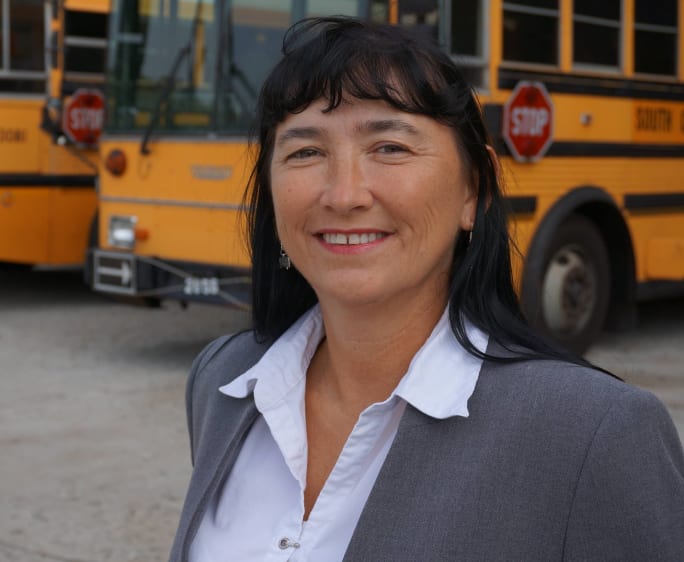
Teena Mitchell, special needs transportation coordinator for Greenville County (S.C.) Schools.
Efforts to use video to legally penalize motorists that run school bus arms are gaining momentum in many states, Teena Mitchell says, but “I do think we could do a better job of advertising that video can be used in legal action against stop-arm offenders.”
Public awareness of the problem could improve with that extra attention.
“Working with our law enforcement by reporting all violations with as much information as possible and getting officers in our areas of habitual offenses has made a difference in awareness in South Carolina,” she says.
A national campaign that graphically portrays the sometimes fatal outcomes of passing a stopped school bus might amplify awareness and save lives, Mitchell says.
“Several years ago, we initiated a PSA during School Bus Safety Week that ran on our local stations,” she says. “A sister emotionally told the story of her brother who was killed by a person that ran a school bus arm in North Carolina. And while this acknowledgement and visual of what can be the next few minutes of your life if you drive distracted or disregard safety because you are in a hurry can be a wake-up call to some, we still have motorists that are addicted to distractions and cannot think beyond their own needs. We also have to think about students that rely on the stop sign as permission to enter the street with the assumption that the motorist will stop.”
So, she says, it’s up to school districts to step up and address via training. It’s vital to train drivers, students, and transportation managers.
Her suggestions include:
Students
Train them to remain on the sidewalk until traffic has totally stopped and the school bus driver waves them to cross.
Bus Drivers
Report every violation, regardless of the amount of information you’ve got, as this is data that must be counted.
Check traffic before putting out the stop arm. Don’t deploy the stop arm when you know vehicles are too close to your bus to stop.
Train students to watch for your signal.
Check traffic again and wait for traffic to stop before waving your students to cross.
Transportation Managers
Report all violations to law enforcement.
Work with authorities to develop a plan not only for public awareness, but also a plan to contact the offender for a conversation with police (if not enough information is available to prosecute) or to prosecute offenders when the information to identify is available.
Show data to bus drivers that shows their reports are important and are being investigated.
Subscribe to Our Newsletter
More Safety

How to Build a Better School Bus Driver Training Program
Is it time to strengthen your driver training? Here’s how to pick the right talent and improve recruitment, retention, and safety. This video is brought to you by IC Bus.
Read More →
Recent School Bus Accidents Leave 2 Dead, 2 Injured
Four school bus crashes in Florida, Illinois, and Georgia highlight risks in transportation lots, at bus stops, and during student loading and unloading.
Read More →
Sponsored•September 8, 2026
When Every Second Matters, Clarity Keeps Routes Moving
From routine delays to urgent incidents, strong communication practices help drivers, dispatchers, schools, and families respond with confidence.
Read More →

What Happens When a School Bus Catches Fire — and What Can Help
School bus fires are rare but can be devastating. Learn how advances in fire suppression and asset protection help fleets detect fires earlier, reduce damage, and improve safety.
Read More →
Geotab Launches Tool to Help Fleets Investigate Road Incidents
Geotab Investigations combines telematics data, video, documents, and other evidence to help fleets reconstruct incidents, resolve claims, and determine what happened.
Read More →
Texas Sixth Grader Wins 2026 National School Bus Safety Poster Contest
Sai Darshana Yekolu of Moseley Middle School in Prosper, Texas, was named the newest winner for her artwork, bringing the theme of “Safe Rides, Everyday Heroes” to life.
Read More →
Sponsored•August 27, 2026
Doing More With Less: How Transportation Directors Can Prioritize Safety Amid Budget Uncertainty
With diesel prices soaring and nearly one-third of transportation directors expecting budget cuts, maintaining student safety has never been more challenging. Download this guide to learn how leading districts are prioritizing risk, funding critical safety technology, and building stronger budget cases with data.
Read More →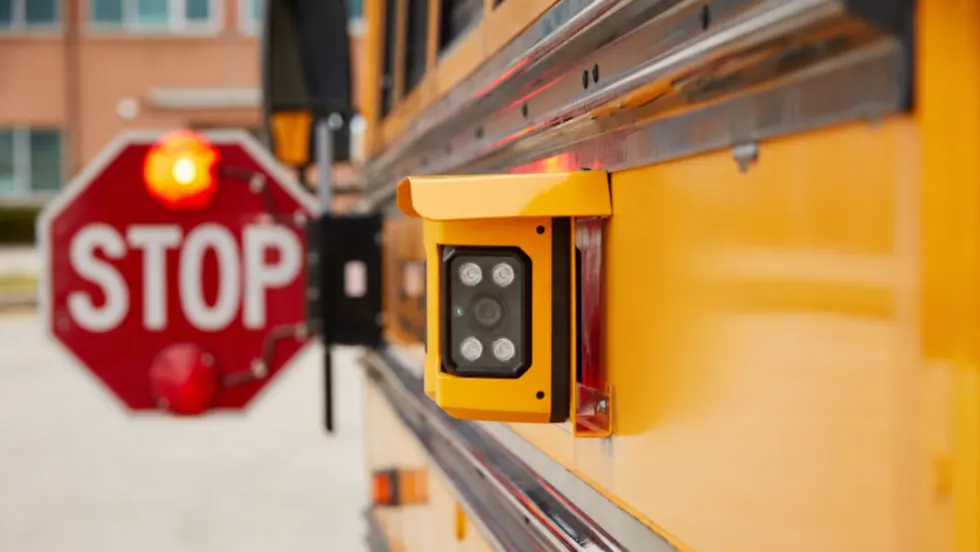
Walton County Schools Adds Gatekeeper Stop-Arm Enforcement System
The Florida district will deploy Gatekeeper’s updated Student Protector technology, which now incorporates AI to improve video evidence.
Read More →
How To Build a More Secure School Bus Yard During and After Hours
As thefts and overnight security threats continue, school transportation leaders are combining stronger operational practices with AI-enabled surveillance to better protect buses, facilities, and staff.
Read More →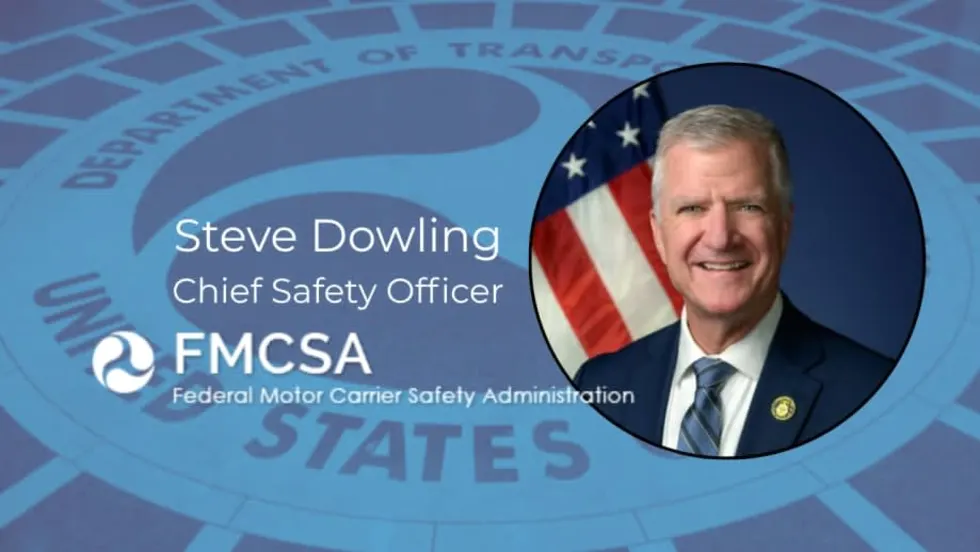
FMCSA Names New Chief Safety Officer: What School Bus Operators Should Know
Steve Dowling is set to lead the federal agency's efforts to advance commercial motor vehicle safety and reduce crashes, fatalities, and injuries on the nation's roadways.
Read More →