




Identifying drug abuse among students
Really listen to what your students are saying on your bus. Doing so might prevent an active shooter, a case of bullying, drug addiction, or even your own death.

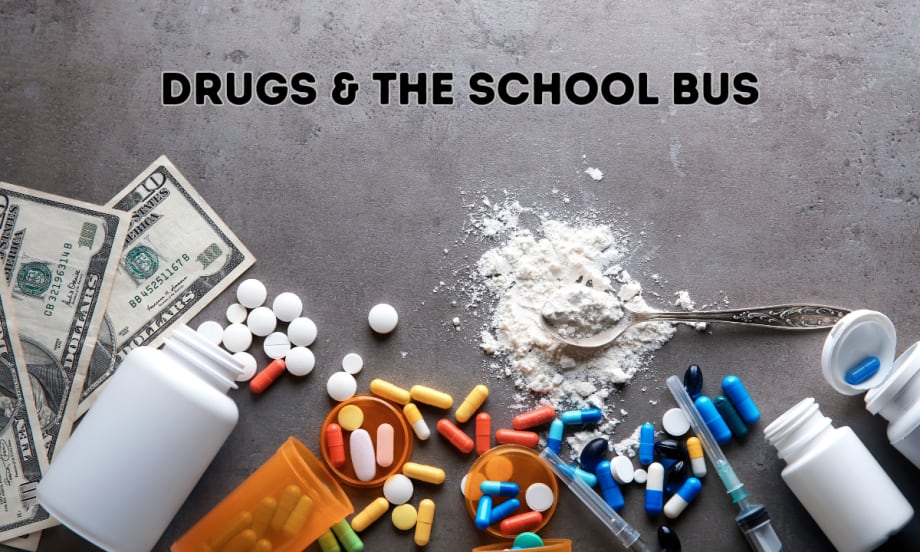
Drivers should listen to conversations on the bus and watch for code words and signs of potential trouble.
Photo: School Bus Fleet
One of the greatest multitaskers in today’s society is the school bus driver. Having to safely operate your vehicle while watching for the inattentive actions of others is something all drivers do regardless of the vehicle they are driving.
However, school bus drivers must also monitor and manage the actions and behaviors of dozens of children who are at their backs. Any solo parent who has tried to take a road trip with multiple children only knows a fraction of what this can be like.
This multitasking includes more than just vehicle operation and behavior management. Have you really listened to the conversations of the students you are transporting? Have they talked about committing crimes or becoming an active shooter? Have you overheard them talking about how the upcoming weekend is going to be great with “Molly”?
Drivers should be listening to what the children are talking about.
Often, students will talk about the previous weekend on Monday and the upcoming weekend on Friday, so these two days are the days you are most likely to hear the children discussing drugs.
Common drug-related terms
Most people know what “upper,” “downer,” “hit,” “stoned” and other common terms mean. However, do you know some of the newer slang terms for common drugs? There are many resources available that can help you understand what your students are talking about.
Here are a few drug-related terms:
• Molly — Ecstasy
• Horse — Heroin
• Bean — Drug tablet or capsule
• Drank (or Purple Drank) — Cough
syrup mixture
• Cheese — Type of heroin
• Kiddie Dope — Prescription
medication
• Skunk — Marijuana
• Drunk Pills — Valium
• Go Fast — Methamphetamine
• Forget Me Pill — Rohypnol (Roofie)
• Special K — Ketamine
• Gym Candy — Anabolic steroids
This short list is not all-encompassing. There are simply too many terms to list.
I encourage all drivers to search out more information about drug terms. Information is available from the Drug Enforcement Administration and the Department of Justice. You could also contact your local police department or pharmacy.
Several books have been written about drug abuse and are available from any bookstore or online.
Drug deals, reporting found drugs
Another important fact to keep in mind is that many drug dealers will market their drugs specifically to children. This may include such tactics as coloring and flavoring the drugs (as in the case of strawberry-flavored meth) or pricing drugs to match the cost of a school lunch. Fights over lunch money might actually be fights over drug money. Likewise, many dealers will approach children at school bus stops due to the set schedule and a lack of adult supervision.
If you find something on your bus that you believe might be drugs or drug paraphernalia, do not touch it with bare hands. Some drugs can be easily absorbed through skin, so avoid direct contact. You should notify your supervisor, the school district and local law enforcement.
If you are not sure what you are looking at, you could call the national poison control hotline at (800) 222-1222. If you describe what you see, they will be able to identify it, especially if it is a commercially produced drug, such as prescription or over-the-counter medication.
Illegal narcotics are not the only type of drugs that contribute to a drug problem within a school district. It is common for many drug users to abuse prescription and over-the-counter medications. Additionally, alcohol and tobacco abuse should not be ignored. Just because it is legal for adults and tends to be common among teenagers does not make it OK.
Every school bus driver should be familiar with Joyce Gregory. She was a school bus driver in Tennessee, and on March 2, 2005, she was shot and killed because she told a boy he could not chew tobacco on her bus. We know drugs can lead to murders, but did you know that chewing tobacco led to the murder of Joyce
Listen for discussions of violence, too
Being attentive to what students are saying can also identify potential cases of bullying, potential criminal activity, gang involvement or other very serious and important matters. Violence tends to happen in significant proportions on school buses on Wednesdays and, therefore, you might hear violence-related discussions on Tuesday or Wednesday.
I urge you to really listen to what your students are saying on your bus. Doing so might prevent an active shooter, a case of bullying, drug addiction or even your own death.
More Management

How to Build a Better Driver Training Program
Ready to boost up your school bus instructor training? Here’s how to pick the right talent and improve recruitment, retention, and safety.
Read More →
CALSTART and Forth Combine to Form Catalyst Mobility
The new name represents a renewed vision for the nonprofit focused on advancing clean, equitable, and affordable transportation solutions that move people and goods.
Read More →
What Makes a Great School Bus Driver Trainer?
Choosing the right school bus driver trainer takes more than experience. Learn six keys to selecting and developing trainers and evaluating program effectiveness.
Read More →


School Bus Contractors Expand Through New Deals, Acquisitions & Partnerships
STA's Canadian division acquires Ontario-based G&L Stevenson Transport while Durham School Services adds a new district contract in California, First Student adds a New Jersey contract, and Minnesota Coaches acquires Halo Transportation.
Read More →
Logan Bus Company Rolls Out AI Phone System for NYC School Bus Families
A summer pilot found that AI agents could handle most routine calls, freeing up time for customer service staff to focus on emergencies and complex family concerns.
Read More →
From Intent to Impact: What I Learned About Leadership from TAPT
A Texas transportation supervisor shares lessons on self-awareness, accountability, managing stress and building trust — and why investing in leadership development matters at every stage of your career.
Read More →
NAPT Names 2026 Award Recipients, Hall of Fame Inductee
Who earned national recognition for their work in student transportation? This year, NAPT named five recipients of its 2026 awards for service, safety, and leadership, plus its newest Hall of Famer.
Read More →
2026 State of Student Transportation Report
Driver shortages. Rising costs. Growing safety expectations. More data, but not enough time to act on it. The 2026 State of Student Transportation Report reveals what transportation leaders say is putting the most pressure on their operations—and where they’re investing next. See how your priorities compare.
Read More →
How to De-Escalate an Angry Person: 5 Steps for Handling Workplace Conflict
What makes emotions run high, and how should you handle an angry colleague or parent? Follow these steps for staying calm, listening, showing empathy, and resolving conflict.
Read More →
What Readiness Looks Like This School Year
Learn about the challenges shaping the 2026–2027 school year, from persistent driver shortages and budget pressure to technology and readiness gaps. See how school districts are responding and adapting in Zonar’s 2026 Back-to-School Readiness Report.
Read More →