




How to Be a Buyer Who is Always the Seller’s Top Choice
Three essentials are conveying respect for the seller’s business, understanding their intentions post-transaction, and presenting a clear path to close and fund the transaction.

Photo by Scott Graham via Unsplash
A version of this article ran on Tenney Group's website on Nov. 11, 2020.
Let’s say a seller has two offers on the table: offer one is for $100 million and offer two is for $99 million. All else being equal, a seller is going to choose the $100 million offer every time.
The reality is that all else is almost never “equal.” The highest dollar offer may not capture a variety of factors, some or all of which may be the reason the buyer who put forth offer two is the one signing the dotted line.
Below are just a few of the components that hold weight when making an offer.
1. Respect.
For a family-owned company, the seller may have a considerable amount of emotion tied to the process of selling their business. There is no simpler way to augment an offer than by accompanying it with respect for the seller and his/her business.
When buyers and sellers engage in a management call, typically the focus is on the buyer getting to know the seller and their business, but the seller is vetting the buyer just as carefully. The seller is vetting whether there will be an operational and cultural fit with the two businesses post-transaction. The buyer can differentiate themselves in a way that doesn’t immediately go to throwing more money in the pot. If a buyer can present well, deliver respect, and understand the seller’s non-economic exit goals, the buyer can be ahead of the competition before offers are even brought to the table.
2. Acceptable Deal Structure.
Before offers are brought to the table, a buyer needs to know what an acceptable deal structure is for the seller. Understanding the seller’s intentions post-transaction is key to crafting an acceptable deal structure.
If the seller is energetic and wants to be a part of New Company post-transaction, then an offer with a higher percentage of an earnout or rollover equity would likely be an acceptable deal structure. On the other hand, a seller at retirement age and ready to ride into the sunset post-transaction will likely not be as thrilled with an offer that brings forth substantial amounts of rollover equity.
There are endless ways to put a deal together, but knowing on the front end what will be an acceptable structure can put the buyer above the rest when presenting and negotiating offers by cutting out steps, making the process more efficient, and helping sellers mentally commit to the buyer’s offer.
3. Certainty of Close.
Having a clear path to close and fund the transaction is key for sellers to understand.
If a deal has an earnout component, or seller note, the seller is going to understand the buyer’s capability of paying the earnout or the note when the time comes. Closed deals close deals.
If a buyer has made acquisitions in the past, it will bring confidence to the seller knowing that they have paid and closed prior deals in the past. Additionally, buyers making available past acquired owners as references can provide supplemental confidence in not only their ability to close a deal, but also be a worthwhile partner in the future.
Finally, a seller needs to trust that the buyer is committed to closing the deal. Knowing that a buyer is not just “kicking tires” but is here to close and help take their business to the next level is key to being a seller’s number-one choice.
Toby Baker is an analyst at Tenney Group, a merger and acquisition advisory firm that has been dedicated to the transportation and logistics industry since 1973. For more information visit www.thetenneygroup.com.
More Management

Zum Secures Continued Financing Support for School Bus Expansion
Generate Private Credit has financed approximately $75 million in school bus deployments across three states, supporting more than 500 buses as Zum expands across the county.
Read More →
Beyond Discipline: A Different Approach to Student Behavior on the Bus
After implementing a dean of students program in Oregon, North Clackamas is seeing positive improvements. Here’s how it worked. The Route is brought to you by IC Bus.
Read More →
A Dean of Transportation's Different Approach to Student Behavior on the School Bus
After implementing a dean of students program in Oregon, North Clackamas is seeing positive improvements on the bus. Here’s how it worked.
Read More →
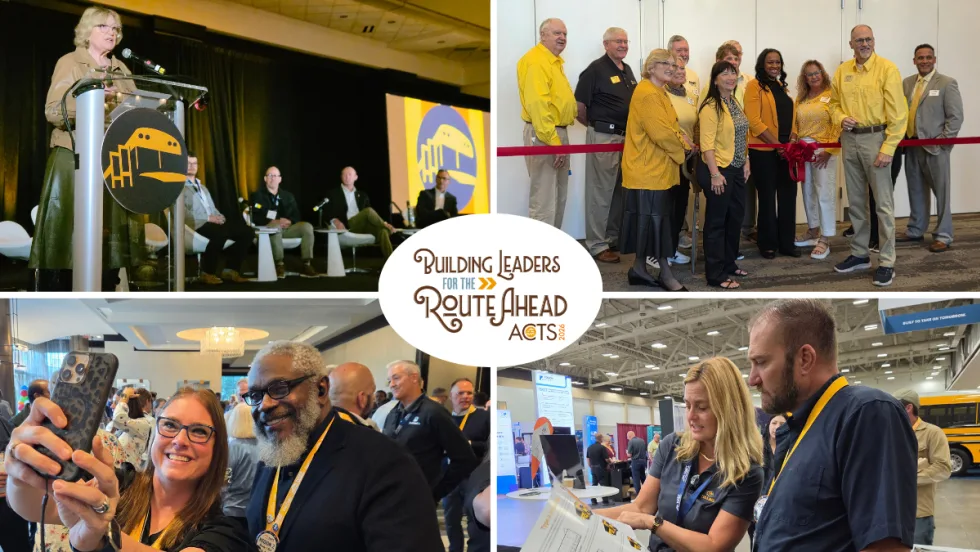
Inside NAPT ACTS 2026: Highlights from Louisville
From federal updates and student behavior strategies to new school bus technology and industry awards, see highlights from NAPT ACTS 2026 in Louisville.
Read More →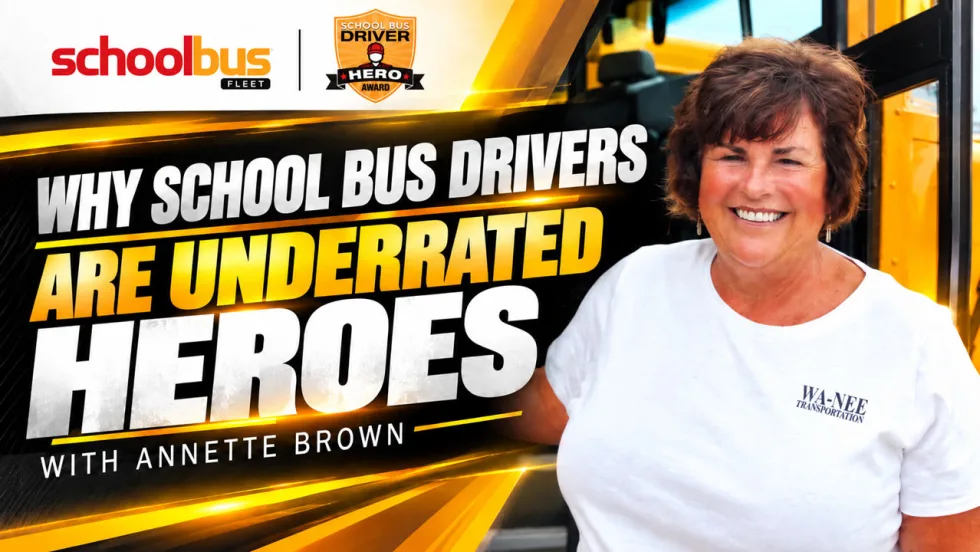
Meet the 2025 School Bus Driver Hero Winner: Annette Brown
We caught up with Wa-Nee Community Schools' Annette Brown on site at SBFX, where she was named the 2026 School Bus Driver Hero Award winner. Hear about her reaction, what she loves most about being a school bus driver, and more!
Read More →
Predictability Is Like Ketchup (According to 6-Year-Olds)
To students, a different school bus can feel like a full-blown crisis. One driver reflects on why familiar routines, showing up on time, and being reliably boring matter more than we think.
Read More →
Samsara Launches Free Driver Rewards Program
The new Driver Perks program gives eligible professional drivers access to discounts and offers without adding a cost for participating fleets.
Read More →
How Tax-Exempt Municipal Leases Can Help Finance School Buses
Let’s explore school bus financing options, including municipal leases, vendor payable accounts, and balloon payments, and how they can help stretch fleet budgets.
Read More →
Nominate Rising School Transportation Pros Under 40!
We’re searching for the next generation of leaders making an impact across the K-12 student transportation industry to recognize as SBF’s 2027 Trailblazers. Nominations are open now!
Read More →
Changing Lanes: BusWhere, EverDriven, InterMotive, Summit School Services, Switzer-Carty & Thomas Built Buses
Check out who's been hired, promoted, and appointed to leadership positions at various school transportation suppliers, contractors, and manufacturers.
Read More →