




How to avoid air-conditioning failure on the special-needs bus
Air conditioning cools, circulates, cleans and dehumidifies the air. Driver team members can minimize special-needs students’ exposure to dehydration,...
Air conditioning cools, circulates, cleans and dehumidifies the air. Driver team members can minimize special-needs students’ exposure to dehydration, heat exhaustion or heat prostration by taking some necessary steps to avoid air-conditioning failure on the special-needs bus.
Condition the air
Air-conditioning systems provide bus interiors environmental control to avoid temperature variations or extremes to those passengers, particularly the medically fragile, who are heat or cold sensitive.
Other medically fragile passengers may require carefully controlled humidity in all of their environments, including the special-education bus. Some students are particularly sensitive and prone to heat exhaustion or heat prostration during their bus ride. Others tend to quickly dehydrate and must be provided appropriate fluid intake, particularly if the ride lasts more than 30 minutes.
When students become ill from overheating, driver team members are also likely to become ill, which compounds the risk of a serious bus accident or a multiple EMS patient management scenario.
Provide A/C and lift equipment care
Lift-equipped buses often operate under severe weather conditions. Lift doors must remain open for long periods during the loading or off-loading of students using wheelchairs. Extra cooling capability is important for lift buses since many are driven in urban areas with slow stop-and-go traffic. Dual air compressors may also be needed to effectively cool the lift bus. The following are some suggestions for avoiding air-conditioning failure on the special-needs bus:
1. Use heavy-duty alternators to provide consistent and adequate amperage output for air conditioning, lift operation and warning light systems.
2. Install additional bus floor, ceiling and wall insulation to provide effective use of air-conditioning units on the special-needs bus. Few special-needs buses are sufficiently insulated to provide the temperature stability necessary for some medically fragile students.
3. Tint all windows on air-conditioned special-needs buses. Tinted windows further assist in effectively cooling the bus interior and passenger seating area. If some specially equipped lift buses could be stored indoors or even in the shade, their interior heat could be minimized. No air conditioning, regardless of how efficient, can reduce the interior temperature more than 20 degrees.
4. Drive buses with roofs that are painted white. They reflect heat from the bus interior and enable the air-conditioning system to work more effectively.
Make room for a spare
Spare buses provide effective air-conditioning service to special-needs students when their regular bus equipment fails. School systems must maintain an adequate supply of repair parts to accomplish same-day or overnight repairs while an air-conditioned spare bus is provided.
Students with medical authorization to require air conditioning and their parents should reasonably expect the school district to provide appropriately equipped spare buses rather than rely on prolonged bus maintenance intervals.
All equipment can and will fail eventually. The issue is: When buses do fail, will the school district be ready to provide continuous special-needs transportation service?
Dr. Ray Turner, owner of White Buffalo Press (www.whitebuffalopress.com), is also special-needs coordinator at Northside Independent School District in San Antonio.
More Special Needs Transportation
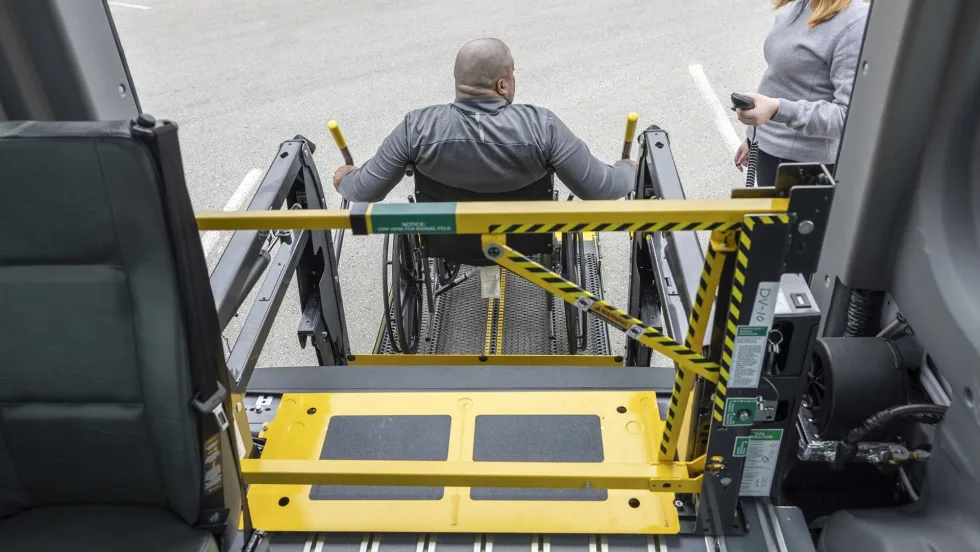
BraunAbility Introduces New Safety Barrier for Wheelchair Lifts
LiftSentinel is designed to add another layer of protection during wheelchair loading and unloading and can be retrofitted to many existing commercial lift installations.
Read More →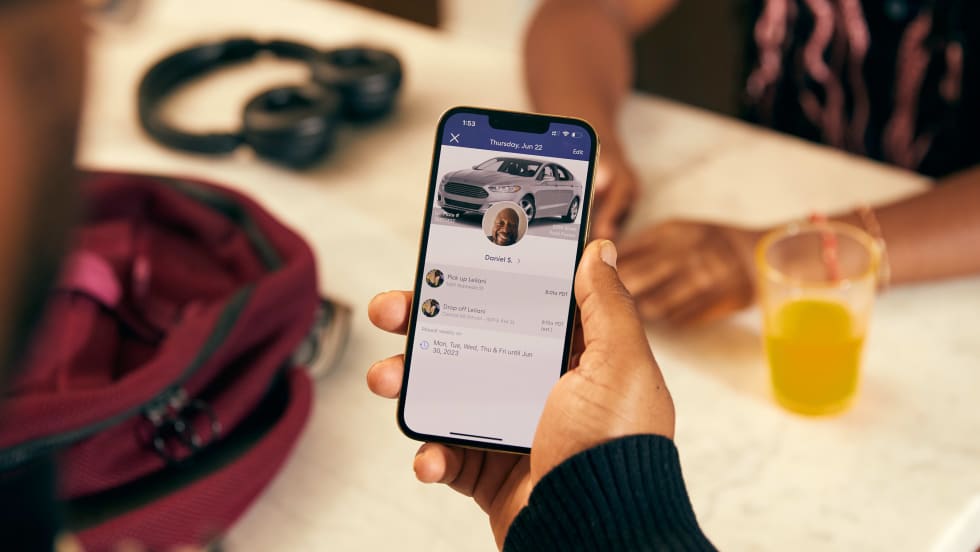
HopSkipDrive Launches New Safety, Driver Consistency Features for 2026-27 School Year
The company’s free ride recording, live ride tracking, and consistent driver assignments aim to improve safety and continuity for diverse student transportation needs.
Read More →
The Most Common Wheelchair Securement Mistakes on School Buses (and How to Fix Them)
Small missteps in wheelchair securement can have serious consequences. Here are 32 tips from experts to reduce risk and increase student safety on the bus.
Read More →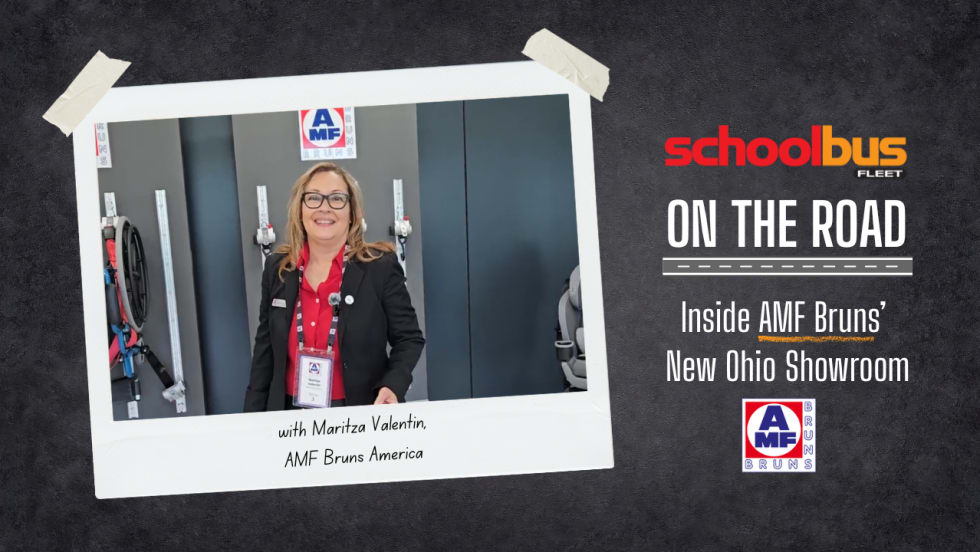
Inside AMF Bruns’ New Showroom: School Bus Securement Solutions Explained
Go inside AMF Bruns America’s new Ohio showroom with Maritza Valentin to see its FutureSafe technology, driver training tools, securement systems, and seating innovations.
Read More →
What AMF Bruns’ New Facility Means for Customers [Video]
Inside AMF Bruns’ new Stow, Ohio, operations: See how expanded space and innovation will enhance customer support and operations.
Read More →
AMF Bruns Expands in Ohio, Investing in Growth and Community
With expanded production space, local investment, and a growing workforce, AMF Bruns is scaling its U.S. presence. Here’s an exclusive first look inside the new Stow, Ohio, HQ.
Read More →
Inside AMF Bruns of America’s New Ohio Manufacturing Facility [Photos]
Take a behind-the-scenes look at AMF Bruns of America’s new 41,000-square-foot Stow, Ohio, headquarters, featuring advanced manufacturing, expanded space, and future-ready mobility solutions.
Read More →
First Student Boosts Student Support in Wichita & Texas
First Student and Wichita Public Schools are using behavioral support strategies to improve student ride experiences, while a separate initiative expands access to after-school programs through a bus donation.
Read More →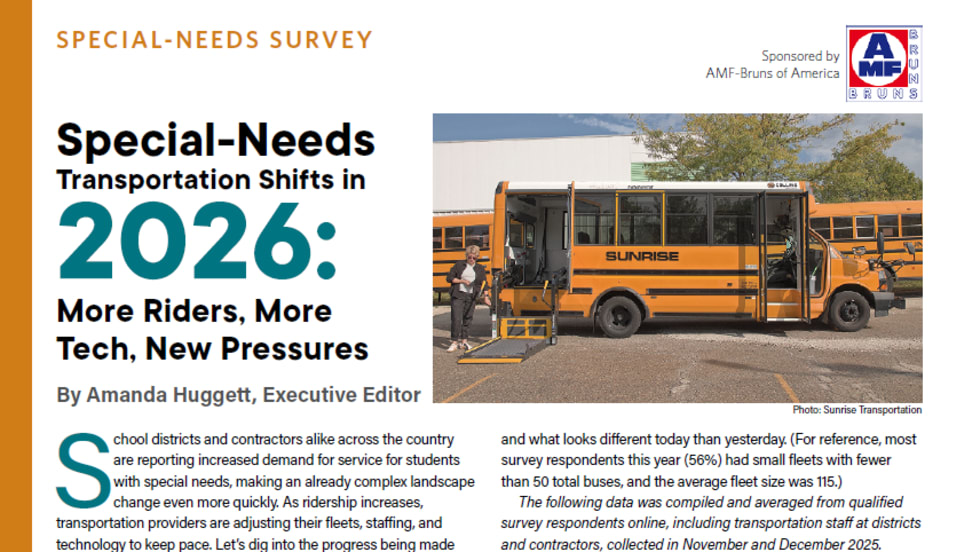
2026 Special-Needs Transportation Survey
What’s changing in special-needs transportation? This year, student transportation operators report a rising need, easing driver shortages, growing tech adoption, and evolving challenges. Sponsored by AMF Bruns of America.
Read More →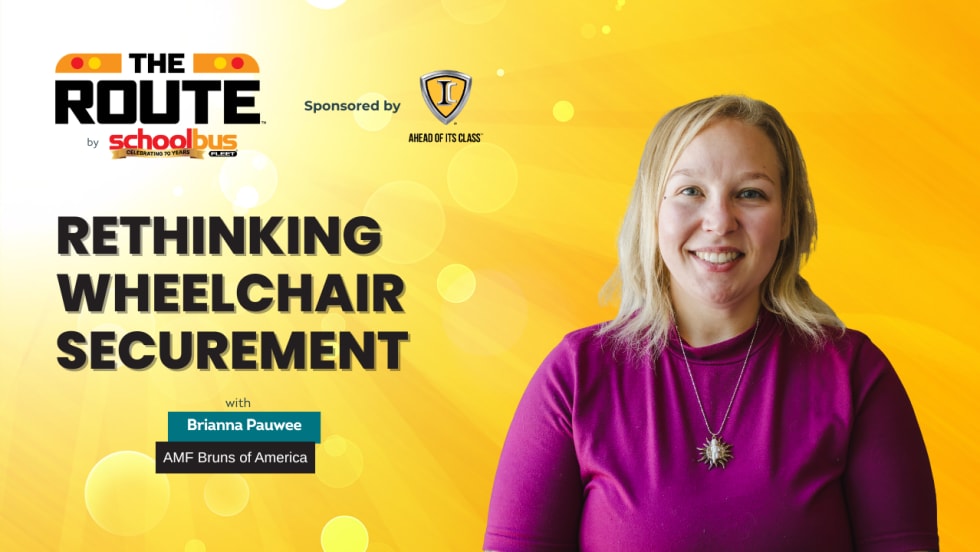
The Lived-Experience Gap in Mobility Tech: An Expert Take on Safe Student Transportation
Brianna Pauwee, a product application specialist at AMF Bruns of America and a wheelchair user, drops in to The Route to share practical securement and training insights, plus the story behind the new “Beyond Mobility” podcast. The Route is sponsored by IC Bus.
Read More →