




Hiring the best players
Structured interviews will reduce the incidence of unsafe behaviors and make the kids safer. In today's economy, you can be more selective about whom you hire.
What is of most importance is that you hire drivers who want to perform the job — the “Will Do” side of the applicant.
We can learn a lot from sports analogies. It is very clear that the best teams have four things in common: great leadership, the best players, the best training and great teamwork.
A safe, efficient school bus operation depends on these factors just as much as a successful sports team does.
In this article, I’ll focus on getting the best players: the people who have the right mindset to be safe, efficient school bus operators and who will stay with you for many years to come — people who will be reliable ambassadors for your district.
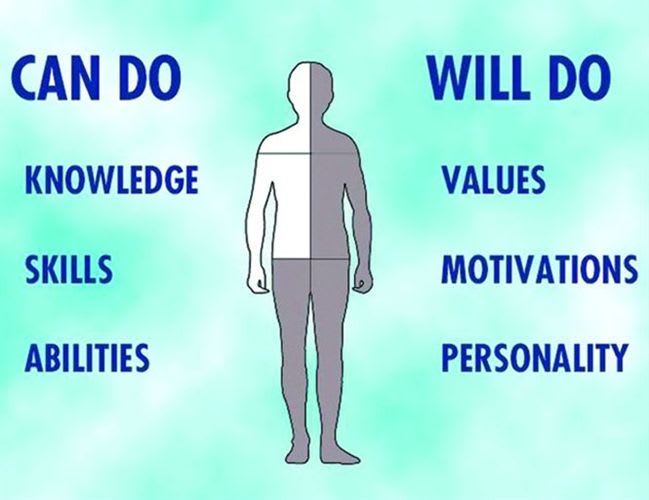
Every person is unique. We each have thousands of facets that define who we are. To try to simplify this, think of us as having six factors (see illustration at left):
The "Can Do" side focuses on whether the person has the knowledge, skills and abilities to perform the job. This is where most recruiters focus their attention. This is a shame, because once you hire a driver, you can change these factors. You can improve their knowledge and skills by education and training.
Abilities refers to physical abilities, such as eyesight, strength of arms and legs, height and weight, etc. You can’t do much about someone’s abilities. What you hire is what you get. What is of most importance is that you hire drivers who want to perform the job — the “Will Do” side of the applicant.
We all have our own values, motivations and personality that define our attitude and what we want to do. Not everyone is cut out to be a doctor, a policeman or a school bus driver.
We have all experienced people who have the knowledge, the skills and the abilities, but they’re still bad at their job. Those who have the wrong values, motivations or personality will never make good, safe school bus drivers. They will be poor performers, and eventually they will leave you. Worse, they will take risks and put the kids in jeopardy.
So when hiring drivers, you should have a process to identify and screen those inherent traits that cannot be changed. Behavioral science teaches us that past behavior is the best predictor of future behavior. A structured interview consisting of behaviorally anchored interview questions will help predict the future behavior of a school bus driver applicant.
Interviewers should be trained how to properly conduct the structured interviews, and the interviews should consist of job-specific questions, consistently asked in a specific order and scored using objective rating scales.
Structured interviews are good predictors of job performance because the interview questions are directly related to job requirements. Used properly, structured interviews will reduce the incidence of unsafe behaviors and make the kids safer. In today’s economy, you can be more selective about whom you hire. Be sure you’re asking the right questions and evaluating correctly.
Look for applicants who are low risk takers. You should avoid applicants who ride motorcycles without helmets, believe speeding is acceptable or have a high-risk sport as a hobby.
[IMAGE]490[/IMAGE]When you hire based on the right values, motivation and personality traits, you get better school bus drivers. They’re safer and more reliable, and they turn into long-term employees. Through education and training, you can improve their knowledge and skills. Everything gets better when you have the right players on the team.
Author Jeff Cassell is vice president at the School Bus Safety Co. For more information, e-mail him at jcassell@schoolbussafetyco.com or visit www.schoolbussafetyco.com.
More Management

How to Build a Better Driver Training Program
Ready to boost up your school bus instructor training? Here’s how to pick the right talent and improve recruitment, retention, and safety.
Read More →
CALSTART and Forth Combine to Form Catalyst Mobility
The new name represents a renewed vision for the nonprofit focused on advancing clean, equitable, and affordable transportation solutions that move people and goods.
Read More →
What Makes a Great School Bus Driver Trainer?
Choosing the right school bus driver trainer takes more than experience. Learn six keys to selecting and developing trainers and evaluating program effectiveness.
Read More →

School Bus Contractors Expand Through New Deals, Acquisitions & Partnerships
STA's Canadian division acquires Ontario-based G&L Stevenson Transport while Durham School Services adds a new district contract in California, First Student adds a New Jersey contract, and Minnesota Coaches acquires Halo Transportation.
Read More →
Logan Bus Company Rolls Out AI Phone System for NYC School Bus Families
A summer pilot found that AI agents could handle most routine calls, freeing up time for customer service staff to focus on emergencies and complex family concerns.
Read More →
From Intent to Impact: What I Learned About Leadership from TAPT
A Texas transportation supervisor shares lessons on self-awareness, accountability, managing stress and building trust — and why investing in leadership development matters at every stage of your career.
Read More →
NAPT Names 2026 Award Recipients, Hall of Fame Inductee
Who earned national recognition for their work in student transportation? This year, NAPT named five recipients of its 2026 awards for service, safety, and leadership, plus its newest Hall of Famer.
Read More →
2026 State of Student Transportation Report
Driver shortages. Rising costs. Growing safety expectations. More data, but not enough time to act on it. The 2026 State of Student Transportation Report reveals what transportation leaders say is putting the most pressure on their operations—and where they’re investing next. See how your priorities compare.
Read More →
How to De-Escalate an Angry Person: 5 Steps for Handling Workplace Conflict
What makes emotions run high, and how should you handle an angry colleague or parent? Follow these steps for staying calm, listening, showing empathy, and resolving conflict.
Read More →
What Readiness Looks Like This School Year
Learn about the challenges shaping the 2026–2027 school year, from persistent driver shortages and budget pressure to technology and readiness gaps. See how school districts are responding and adapting in Zonar’s 2026 Back-to-School Readiness Report.
Read More →