




School Bus Fleet Tips: How and When to Buy a Used School Bus
High Costs, Yes; But Valuable Returns, Too
Shortly after I joined the staff of School Bus Fleet more than eight years ago, I visited a school bus contractor here in Southern California.
by Steve Hirano
February 1, 20033 min to read
Shortly after I joined the staff of SCHOOL BUS FLEET more than eight years ago, I visited a school bus contractor here in Southern California and rode one of its special-needs buses on a morning route. The driver was a courteous, but not especially talkative young woman who went about her business in a methodical way.
That morning we picked up six or seven students, only one of whom I can remember after these many years. He was maybe 7 or 8, and was half-sitting, half-reclining in a wheelchair equipped with a respirator. His parents met the driver at the curb outside their modest home. His nurse or aide also was waiting there and helped to load his wheelchair onto the lift. His parents smiled and provided soothing words of encouragement as he entered the bus. The boy, as I recall, didn’t need the encouragement. Despite the affliction that rendered his body so motionless, he was clearly excited to be riding the bus and on his way to school. I can still hear the rhythmic pumping of his respirator.
It was a long ride, wending through suburban streets and onto the heavily trafficked freeway and then to the school, where teachers and assistants were waiting to lead their charges to their respective classrooms. It never occurred to me back then to consider the high cost of providing this specialized busing, but the reality of special-needs transportation is that it’s very expensive.
$4,418 per Special-Needs Student
According to a survey performed by the Special Education Expenditure Project (SEEP) and sponsored by the U.S. Department of Education, special-education transportation costs approximately 10 times more than regular-education transportation on a per-pupil basis. During the 1999-2000 school year, districts spent an average of $4,418 per special-education student for transportation and just $442 per student using regular transportation.
Overall, special-needs transportation costs about $3.7 billion, more than a quarter (28 percent) of the total pupil transportation spending.
The good news is that a greater percentage of special-education students are using regular transportation services these days. In 1985-86, about 30 percent of special-education students used special transportation services, compared to 14 percent in 1999-2000.
According to SBF’s annual special-needs transportation survey (beginning on pg. 20), approximately 7 percent of transported students are special-needs students. Of those, about 31 percent of special-education students are mainstreamed on regular-education buses and 69 percent receive special transportation. With many, if not most, school districts facing budget shortfalls this year due to the continuing economic slump, pupil transportation has become a target for pencil-sharpening school boards. Special-needs transportation service likely will be protected, but the high cost remains a thorny problem.
Containing Costs is Problematic
But what can be done to reduce or contain the cost of special transportation?
Mainstreaming, when feasible and when approved under the child’s Individualized Education Program, is one way to reduce the cost of special transportation. School districts providing more site-based programs that serve students at their home schools is another. But there’s not too much more that can be done to trim the costs of special transportation.
Nor do we want to pare special transportation to the bone. School districts should be committed to safe and individualized service to all special-needs students. When I recall the look on the face of the young boy in the wheelchair eight years ago as his bus set off for school, I have to believe that his transportation service, though extremely expensive, was worth every penny.
Subscribe to Our Newsletter
More Special Needs Transportation
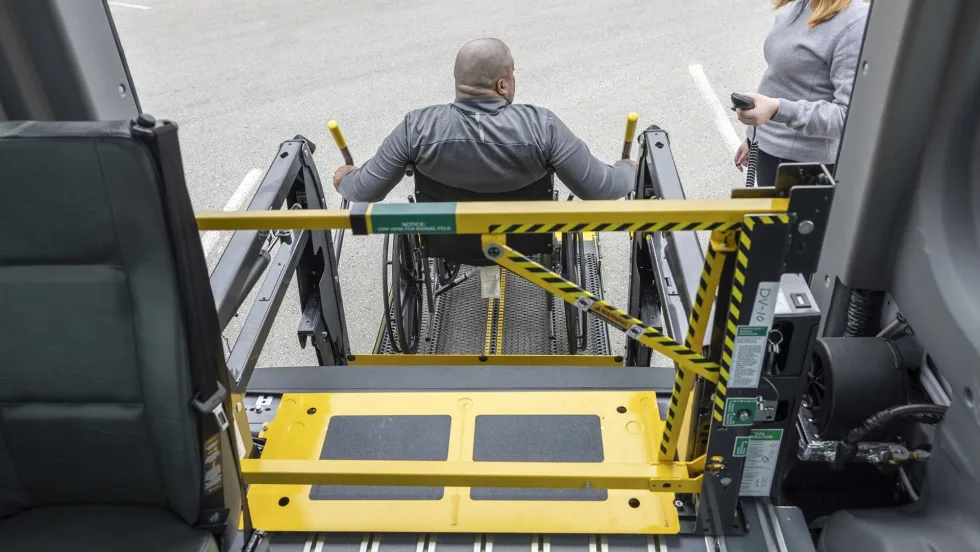
BraunAbility Introduces New Safety Barrier for Wheelchair Lifts
LiftSentinel is designed to add another layer of protection during wheelchair loading and unloading and can be retrofitted to many existing commercial lift installations.
Read More →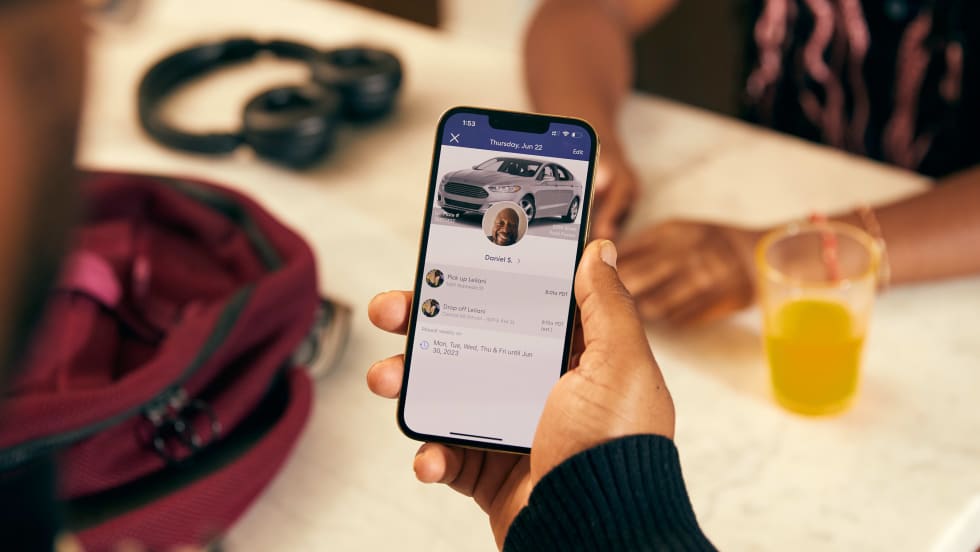
HopSkipDrive Launches New Safety, Driver Consistency Features for 2026-27 School Year
The company’s free ride recording, live ride tracking, and consistent driver assignments aim to improve safety and continuity for diverse student transportation needs.
Read More →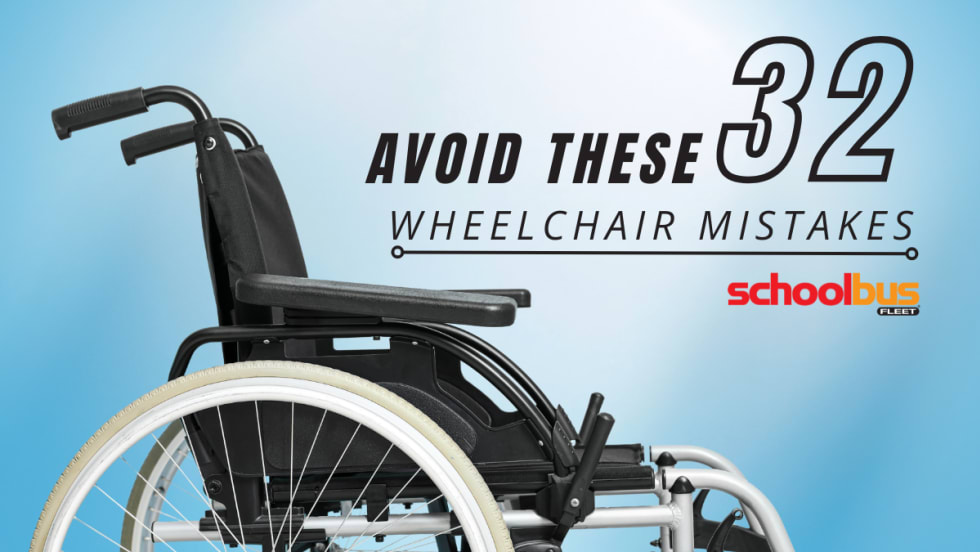
The Most Common Wheelchair Securement Mistakes on School Buses (and How to Fix Them)
Small missteps in wheelchair securement can have serious consequences. Here are 32 tips from experts to reduce risk and increase student safety on the bus.
Read More →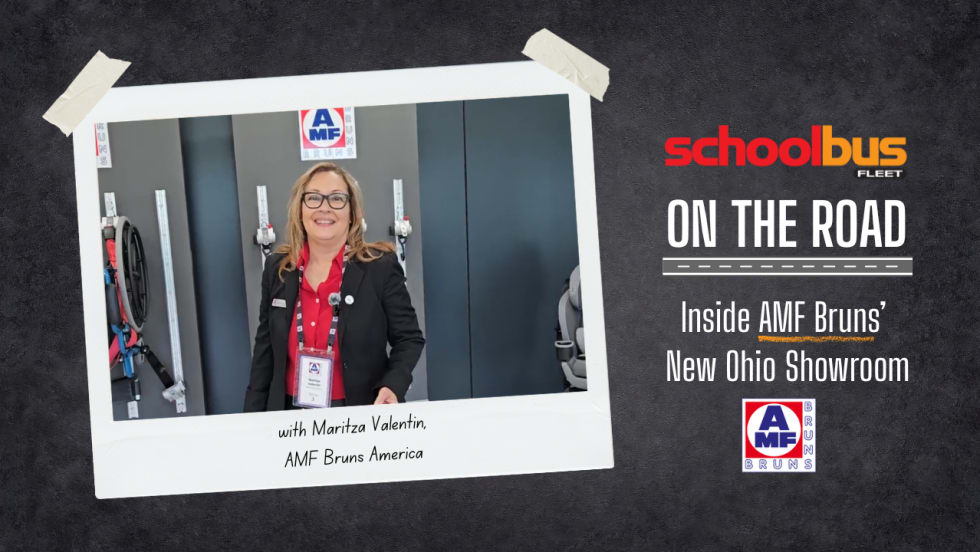
Inside AMF Bruns’ New Showroom: School Bus Securement Solutions Explained
Go inside AMF Bruns America’s new Ohio showroom with Maritza Valentin to see its FutureSafe technology, driver training tools, securement systems, and seating innovations.
Read More →
What AMF Bruns’ New Facility Means for Customers [Video]
Inside AMF Bruns’ new Stow, Ohio, operations: See how expanded space and innovation will enhance customer support and operations.
Read More →
AMF Bruns Expands in Ohio, Investing in Growth and Community
With expanded production space, local investment, and a growing workforce, AMF Bruns is scaling its U.S. presence. Here’s an exclusive first look inside the new Stow, Ohio, HQ.
Read More →
Inside AMF Bruns of America’s New Ohio Manufacturing Facility [Photos]
Take a behind-the-scenes look at AMF Bruns of America’s new 41,000-square-foot Stow, Ohio, headquarters, featuring advanced manufacturing, expanded space, and future-ready mobility solutions.
Read More →
First Student Boosts Student Support in Wichita & Texas
First Student and Wichita Public Schools are using behavioral support strategies to improve student ride experiences, while a separate initiative expands access to after-school programs through a bus donation.
Read More →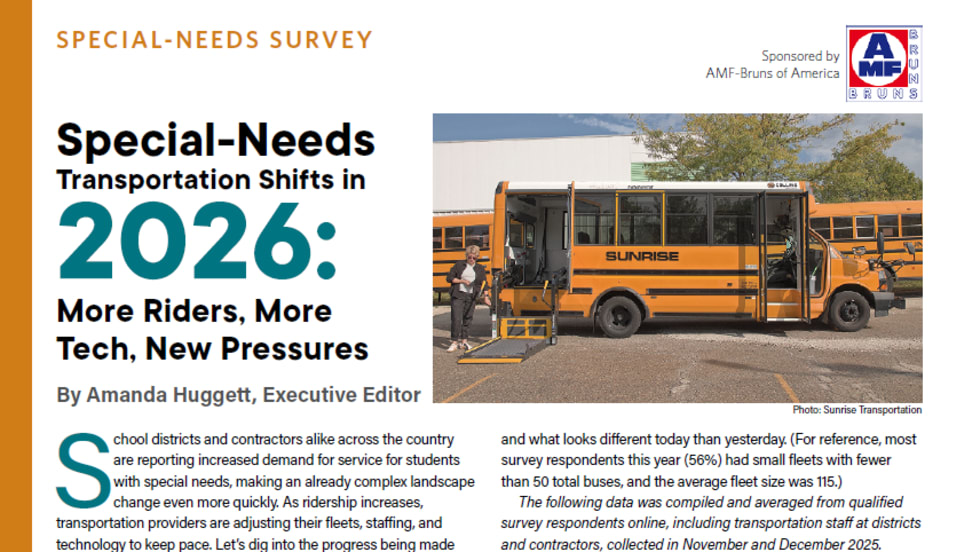
2026 Special-Needs Transportation Survey
What’s changing in special-needs transportation? This year, student transportation operators report a rising need, easing driver shortages, growing tech adoption, and evolving challenges. Sponsored by AMF Bruns of America.
Read More →
The Lived-Experience Gap in Mobility Tech: An Expert Take on Safe Student Transportation
Brianna Pauwee, a product application specialist at AMF Bruns of America and a wheelchair user, drops in to The Route to share practical securement and training insights, plus the story behind the new “Beyond Mobility” podcast. The Route is sponsored by IC Bus.
Read More →