




'Graying' bus drivers raise safety concerns
If we’re lucky, we’ll all live long enough to rail about the indignities of old age. Failing eyesight and hearing, brittle bones, forgetfu...
If we’re lucky, we’ll all live long enough to rail about the indignities of old age. Failing eyesight and hearing, brittle bones, forgetfulness, children who are themselves too old to take care of us, even if they had the inclination — these are our rewards for giving up cigarettes, wearing our seat belts and cutting down on the consumption of red meat (My irrational fear of mad-cow disease has helped with the latter.). Yes, growing old has its grim realities. But the definition of “old” is changing. Fifty years ago, U.S. life expectancy was 71.1 years for a woman and 65.5 years for a man. By 1998 (the most recent data available), the life expectancy was 79.5 years for a woman and 73.8 years for a man. We’re living longer, and we’re working longer. And many of those people who are working into their 70s, and beyond, are school bus drivers. Let’s assess the risks
As Jim Ellis so convincingly asserts in his article “Scrutinizing the Safety Risks of Older Drivers," we need to begin looking at the relative risks of having aging bus drivers transport children to and from school. About three years ago, I recall reading newspaper stories about two elderly gentlemen who each died at the wheel of a school bus in the span of a week. As I recall, both men were in their 70s. In each case, none of the passengers was harmed. One driver was able to pull the bus off the highway before he was overcome by a heart attack; the other was fortunate enough to have students who had the courage and skill to grab the wheel and guide the bus off the road safely. What a weird coincidence, I remember thinking, for those two events to have occurred in the same week. But now I wonder if it was just random chance or a statistical probability, given the fact that there likely is a large population of school bus drivers who are 70 and older. That any two of them would die of a heart attack in the same week is certainly conceivable. That their heart attacks occurred while they were behind the wheel is understandable when you consider the stress involved in driving a school bus. Considering all of the factors, their untimely deaths were not so coincidental after all. Tough choices lie ahead
Still, as Jim points out, this is unexplored territory. As far as I know, no one has studied the effects of age on, say, crash rates. If a study is performed, and we discover that drivers in their 60s, 70s and 80s have the highest accident rates and are involved in a disproportionately high percentage of by-own-bus fatalities, what would we do? Would we consider age restrictions? Jim suggests that older drivers be required to undergo more frequent physicals and physical performance tests as well as other relevant screening exams and assessment tests. While many older drivers would submit to age-specific screening exams, many would not, especially if they could find other work that paid an equal or higher wage. And, when you consider the wage schedules for most school bus drivers, they wouldn’t have to look very hard for alternative employment. So, it’s possible we could lose a significant number of competent, highly skilled and experienced bus drivers, when we’re already crippled by a driver shortage. Let’s start with a study, as Jim suggests. Field surveys, conscientiously completed, compiled and analyzed, could bring the aging-driver picture into clearer focus. In the meantime, it couldn’t hurt to step up your monitoring program for all drivers, paying special attention to your older employees. You might find out they’re the best group of drivers in the organization.
More Management

EverDriven Launches Route Consolidation Calculator to Estimate Diesel Savings
As diesel prices hit record highs, the largest alternative transportation provider says a 10% route consolidation could save a 120-route district more than $78,000 a year in fuel alone.
Read More →
Zum Secures Continued Financing Support for School Bus Expansion
Generate Private Credit has financed approximately $75 million in school bus deployments across three states, supporting more than 500 buses as Zum expands across the county.
Read More →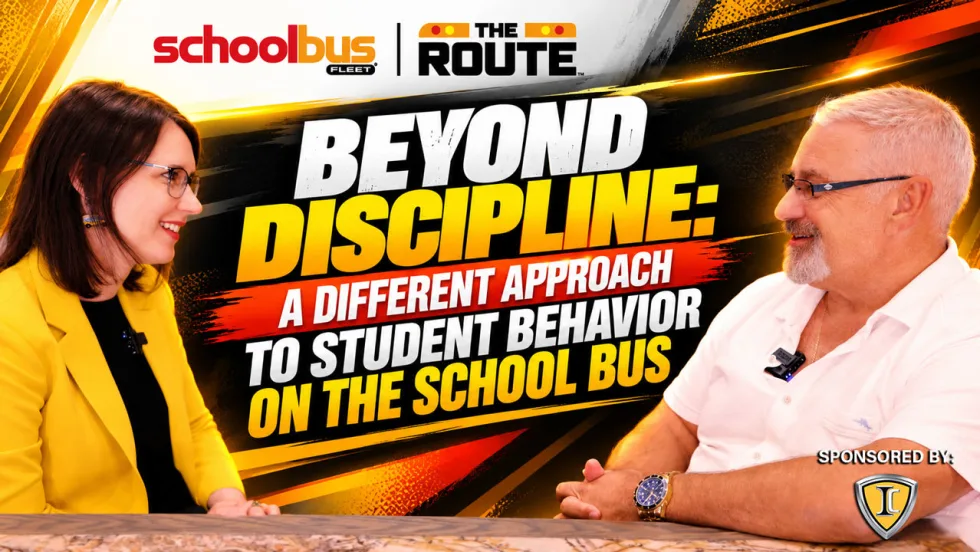
Beyond Discipline: A Different Approach to Student Behavior on the Bus
After implementing a dean of students program in Oregon, North Clackamas is seeing positive improvements. Here’s how it worked. The Route is brought to you by IC Bus.
Read More →
A Dean of Transportation's Different Approach to Student Behavior on the School Bus
After implementing a dean of students program in Oregon, North Clackamas is seeing positive improvements on the bus. Here’s how it worked.
Read More →
Inside NAPT ACTS 2026: Highlights from Louisville
From federal updates and student behavior strategies to new school bus technology and industry awards, see highlights from NAPT ACTS 2026 in Louisville.
Read More →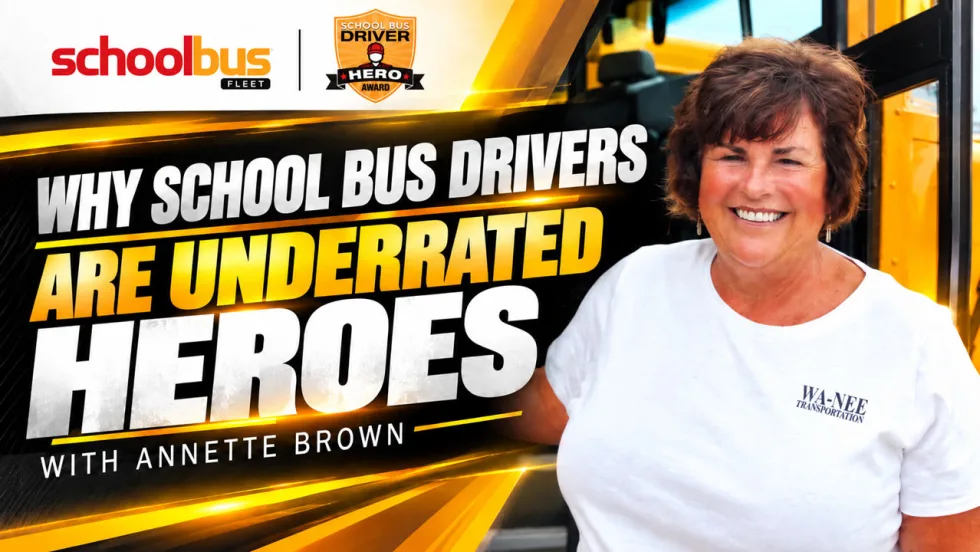
Meet the 2025 School Bus Driver Hero Winner: Annette Brown
We caught up with Wa-Nee Community Schools' Annette Brown on site at SBFX, where she was named the 2026 School Bus Driver Hero Award winner. Hear about her reaction, what she loves most about being a school bus driver, and more!
Read More →
Predictability Is Like Ketchup (According to 6-Year-Olds)
To students, a different school bus can feel like a full-blown crisis. One driver reflects on why familiar routines, showing up on time, and being reliably boring matter more than we think.
Read More →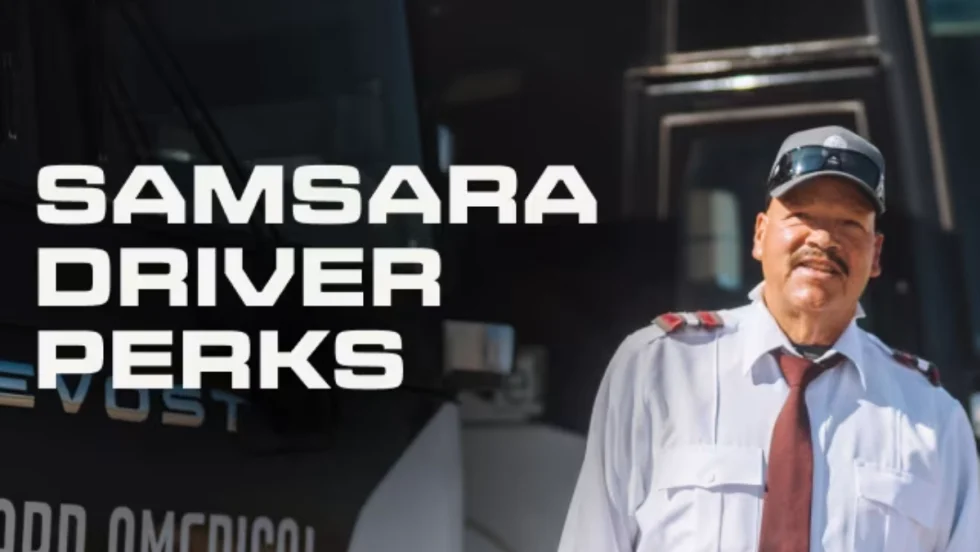
Samsara Launches Free Driver Rewards Program
The new Driver Perks program gives eligible professional drivers access to discounts and offers without adding a cost for participating fleets.
Read More →
How Tax-Exempt Municipal Leases Can Help Finance School Buses
Let’s explore school bus financing options, including municipal leases, vendor payable accounts, and balloon payments, and how they can help stretch fleet budgets.
Read More →
Nominate Rising School Transportation Pros Under 40!
We’re searching for the next generation of leaders making an impact across the K-12 student transportation industry to recognize as SBF’s 2027 Trailblazers. Nominations are open now!
Read More →