




Getting out of the margins
When I told a family friend, a former elementary school district superintendent, that I was on the staff of a magazine serving the school bus ind...
When I told a family friend, a former elementary school district superintendent, that I was on the staff of a magazine serving the school bus industry, her response was, “Whoa, talk about a marginalized population.”
As a superintendent, she must have dealt with the transportation department on a regular basis. From her perspective, and perhaps that of the larger school community as well, transportation was in the margins. From where I sit today, I see a vibrant, engaged and dedicated community represented by the people I’ve met in the school bus industry.
But after our conversation, I kept thinking about her characterization and saw some truths in it. With operations often located off-campus, and staff relegated to the bus depot or their routes, it’s easy to see how the transportation department could feel cut off from the rest of the school system — the administration, teachers, other departments and even the students who don’t ride the bus, which is sometimes a large population.
However, transportation is a key element of the school system. Drivers interact with students and parents as frequently and intimately as teachers do. Transportation requires a sizeable chunk of the district’s budget. And school buses provide a safe haven between school and home. The job is not marginal at all.
How can transportation administrators and school bus drivers counteract this sense of isolation? Here are a few suggestions:
Attend school board meetings to voice concerns, publicize successes and participate in discussions that impact both your operations and the school system as a whole.
Set up a booth at community events and bring key staff to speak with parents. Maybe park a bus nearby to draw attention. Also, hold an open house on back-to-school night.
Contact other department heads and schedule joint in-services, allowing staff to get to know each other and share resources.
Connect with teachers. When problems with students arise, a bus driver might be the first to know and can communicate with educators to help a child.
Attract positive attention by participating in school-wide charity events, such as canned food drives — or organize your own.
Make a point of inviting school administrators and teachers to Love the Bus or other transportation appreciation events.
Make communications a top priority. Among other messages you need to communicate to parents and teachers, it’s never been a better time to advertise that students can “go green” by taking the bus to school. Update your Website, put out a newsletter (it doesn’t have to be long) and put contact information for the transportation department on communications sent home to parents and guardians.
The suggestions I’ve thrown out above may be obvious to the industry veterans. You may be stretched thin, having trouble covering all your routes, let alone attending school board meetings.
Getting out of the margins should be a priority, though. In the long run, you will raise employee morale, legitimize your needs and concerns with administrators and become a positive force in the lives of other school staff, parents and students. Write to us to update us on your efforts.
More Management
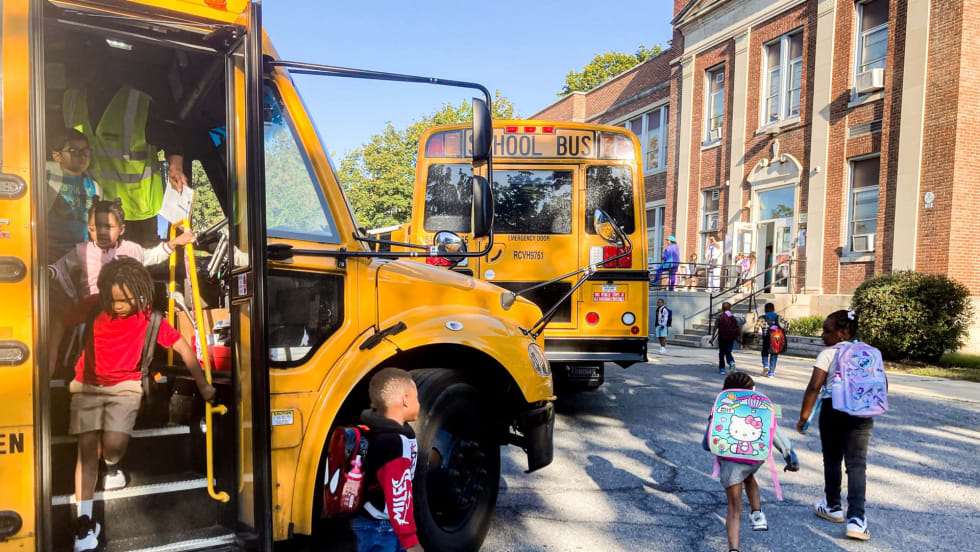
How a New York District Cut Nearly $1M in Transportation Costs While Expanding Bus Access
A data-driven overhaul with BusRight reduced Poughkeepsie City School District's planned routes from 26 to 17 while extending school bus service to about 1,200 additional students.
Read More →
Budgets Down, Enrollment Shifting: What the Data Says Districts Should Watch
School transportation departments face two converging challenges this year: tightening budgets and shifting enrollment. Most districts still address these issues separately, but the assumption that either trend will simplify operations is proving incorrect.
Read More →
These 8 School Transportation Companies Made the 2026 Inc. 5000 List
Find out which school transportation contractors, technology providers, and suppliers ranked among America’s fastest-growing private companies.
Read More →
The Link Between Emotional Intelligence and School Bus Safety
How can emotional intelligence help transportation pros navigate stress, manage change, and build stronger relationships? Listen to find out.
Read More →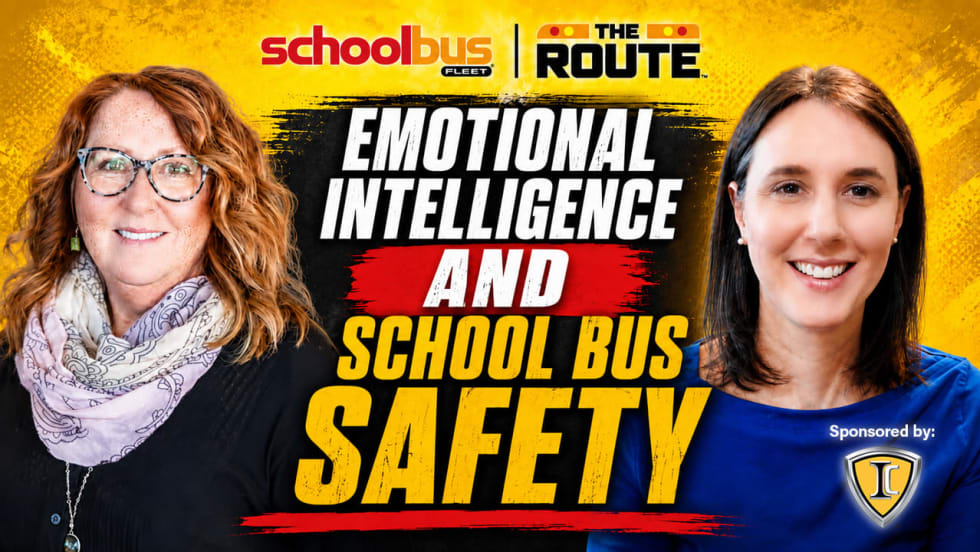
What Emotional Intelligence Has to Do With School Bus Safety
In this video, discover how emotional intelligence can help transportation leaders and drivers navigate stress, manage change, and build stronger relationships. The Route is sponsored by IC Bus.
Read More →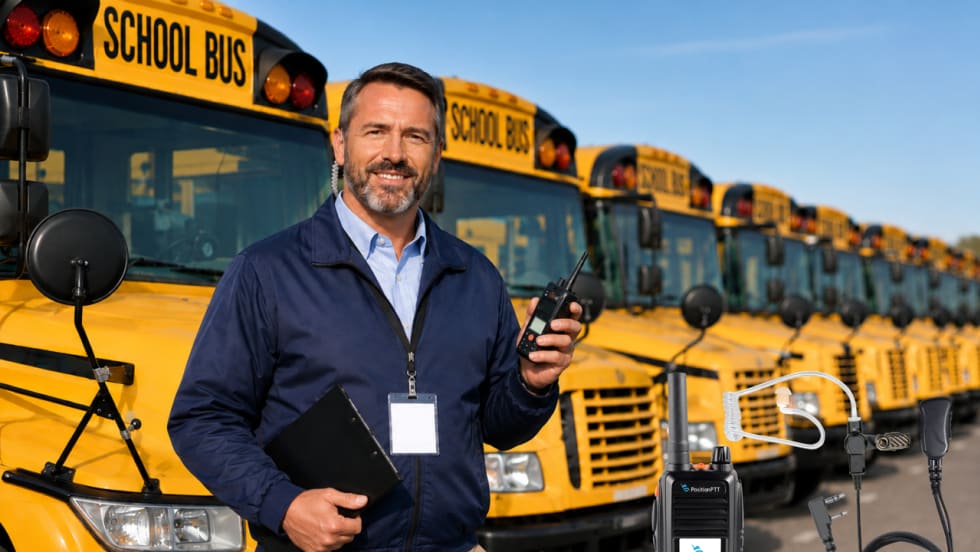
Beyond Two-Way Radios: School Bus Communications Evolve With Push-to-Talk Over Cellular
PRYME Radio and PositionPTT join forces to advance hands-free radio use and reduce distracted driving. See how PoC compares with traditional radios on range, cost, safety, and connectivity.
Read More →
Have School Districts Adapted to Bus Driver Shortages or Simply Accepted Less Service?
According to a recent report from HopSkipDrive, many districts appear to have recalibrated what "normal" transportation service looks like.
Read More →
Reliable Transportation Linked to Better Student Outcomes, New EverDriven Study Finds
See why new research suggests transportation consistency improves student outcomes while influencing attendance, funding, IEP compliance, and family trust.
Read More →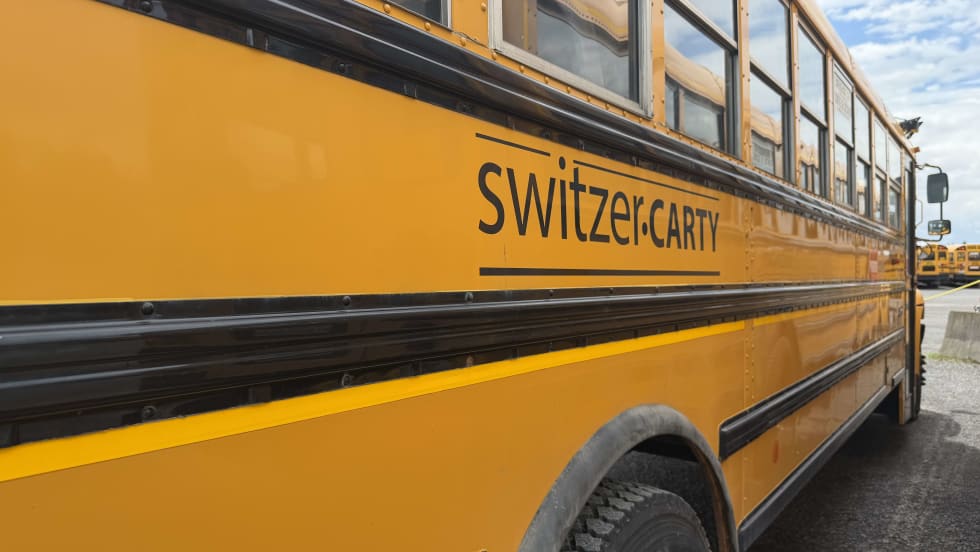
Switzer-CARTY Enters the U.S. with New Acquisition
The Canadian contractor’s acquisition of Minnesota-based Agnes Corporation marks its first cross-border expansion into the United States and adds 350 vehicles.
Read More →
BusRight Adds New Rider Tracking Technology
Safety Pass is an NFC-based student ridership tracking solution that provides real-time boarding and drop-off data to improve school bus safety and family communication.
Read More →