





Recognize Excellence: Nominations Open for 2026 Administrator of the Year
From the Editor’s Desk: Our Favorite 2025 Stories You May Have Missed
Explore the 2025 stories we can’t stop thinking about, complete with behind-the-scenes insight from our editors.
December 16, 2025
These posts were meaningful for various reasons to us, and now, we’re giving you the inside scoop about why.
Credit: School Bus Fleet
9 min to read
We’re giving you a peek behind the curtain (curtain being the editor’s desk) with a list of SBF’s editors’ favorite stories of the year that flew under the radar. These posts were meaningful for various reasons to us, and now, we’re giving you the inside scoop about why.
Without further ado, these are the stories we think deserved a little more love than they got, at least according to our Google Analytics data.
Enjoy!
Insurance Gone Wild: School Bus Operators Call for Tort Reform
Amanda: Ah, the story that gave me more gray hair! When I got an email from an SBF editorial board member suggesting an article around tort reform, I had no idea what that term even meant. Guessing it probably didn’t mean a new recipe for chocolate cake, I had to dig into a topic that wasn’t even on my radar — like, at all.
So, with the help of ChatGPT (I asked it to explain the issue to me like I was a 5-year-old), finally it started making sense, and then it all clicked when I realized that school bus operators can be on the hook for millions in the event of an accident (even if they’re not at fault), and face outrageously increasing insurance premiums as a result. Basically, the yellow bus that we all know as the safest vehicle, is the opposite of that in the eyes of insurance companies and some attorneys, and that hidden land mine was literally putting some bus company owners out of business.
This story is one I love because not only was it born from someone who saw how big a problem this was and pointed out that no one was talking about it on a large scale (that’s why I frequently consult with our advisory board, after all), but it also challenged me journalistically and intellectually. To report on the topic, I first had to understand it. And this was not an easy topic to understand quickly. Now, I see how crucial the information is, and this story aims to help others protect their assets and liabilities.
Implementing IEPs On the Bus: How to Increase Communication Between Teams
Amanda: In November 2024, I was sitting in the corner of the room at the annual NASDPTS conference for the first time. I was two months into a role in an industry I knew very little about — yet. While I did not yet understand the intricacies of the industry nor understand what types of stories you all needed to hear, one session did stand out to me there: the Department of Education’s presentation.
In that session, I could feel the energy in the room begin to rise, tempers start to flare, and hands start waving in the crowd. As the speaker discussed student IEP data, it became obvious he had made an assumption that was not quite accurate: that district SPED and IEP teams share the data needed for student transportation with the transportation team.
I witnessed state director after state director stand up and advocate for the districts in their regions, talking about how, yes, that information should be shared, but it so often isn’t, thereby putting transporters at a significant disadvantage and leading to potential liabilities in complying with the new. Sure, IDEA states that transportation is a related service, but that doesn’t mean many IEP meetings happen behind closed doors where transportation isn't welcome.
We wrote this article based on that very discussion to help district transportation directors learn why and how to build better relationships and be a squeaky wheel to get the info they need to serve students who rely on them.
The End of CNG? School Buses Find a Future in RNG
Elora: As someone new to the industry (I joined School Bus Fleet in May 2025), this deep dive into alternative fuels and the story of what happened with compressed natural gas was the first feature where I truly immersed myself in the material. Everything I’d written up to this point for the October magazine issue relied on understanding where the industry has been and where it’s headed. It often felt like I was assembling a massive puzzle without seeing how each piece fit into the larger picture.
This topic finally brought those pieces together. It let me apply my growing knowledge of alternative fuels while still asking the technical and back-to-basics questions I needed to make sense of it all. Ingevity, Cummins, Palmer Bus, and others were patient guides, generous with their expertise, and instrumental in helping me understand both CNG’s past and RNG’s emerging place in school transportation.
Celebrating Black Voices in Student Transportation: Mario Ross
Amanda: The man who kicked off SBF’s newest people-focused series this year!
Do you ever meet someone virtually, and immediately know that they’re special? That’s how it was for me reading Mario Ross’ comments in a Facebook group post. The way he so beautifully talked about being a school bus driver and how he overcomes certain societal disadvantages he faces, I just knew his was a story I wanted to learn and share. Find out what makes him a shining light in part 1 of our 2025 Black Voices series!
Announcing the 2025 Trailblazers: Inspirational Leaders & Change Makers
Elora: One of the reasons I really enjoyed this Trailblazers piece is how clearly it showcases the depth and diversity of talent across the school transportation world. This piece is technically a 12-in-1 (I know, I’m cheating!), but in the project’s entirety, Amanda captured stories from every corner of the industry. Each profile felt like a reminder of how many different roles contribute to keeping students safe.
Reading about these 12 young leaders gave me a fuller picture of the passion, creativity, and commitment driving the field forward. It’s the kind of piece that makes you feel excited about where the industry is heading and grateful for the people taking it there. For SBF, features like this shine because they celebrate the humans at the heart of pupil transportation and highlight the innovation and leadership shaping its future.
The State of Electric School Buses: Where We Are and Where We're Going
Amanda: If you’ve read any of my recent features, you can probably tell that I have a hard time writing succinctly (it’s the same if we talk in person; I tend to meander and make a short story long, whoops). And in 2025, several articles that were meant to only take up a couple print pages suddenly expanded into multiple-spreads worth of room (that means I went a liiiiittle overboard).
This story was one of those. In my defense, writing about where we are with electric buses was not something I could do briefly. It needed a lot of background, nuance with a quickly changing federal environment, so many tech advancements, OEMs to talk to, and yeah, it got pretty long. So, I trimmed it as much as I could in print, ran the whole thing online, and called it a deep dive.
I watched endless webinars, did hours and hours of interviews and research, read reports with a fine-tooth comb, and aimed to cover everything one could possibly ask about the EV climate right now. That ended up taking over 5,000 words. But, I do believe, this comprehensive article captures exactly where we stand with electric school buses right now!
Accessible and Inclusive: The Latest in School Bus Assistive Tools & Tech
Elora: Have I mentioned I’m new to the school transportation industry? When I started at SBF, I felt pretty overwhelmed, so naturally, I coped by overwhelming myself even more and diving into past content. This article by Amanda was one of the first pieces I read as I worked my way back through early 2025 articles. Truthfully, I was hunting for trend forecasts and big-picture outlooks, but this story caught my attention.
There’s so much that goes into student transportation, and the layers of detail behind accessibility were eye-opening. We as an industry understand the importance of lift systems and securement tools for communication supports and rider-assistance technologies, but this piece showed me that items as simple as headphones, MP3 players, and “fidget bags” also play a role in helping students feel safe, seen, and included.
Reading it helped me understand the care and intention behind the work this industry does every day. This article was the primary reason I realized: accessibility isn’t a niche topic in school transportation. It’s foundational. It set the tone for how I’ve approached learning the industry ever since.
From Transaction to Trust: How Dealers & Districts Can Build Lasting Relationships
Amanda: This article was not planned. Instead, it unfolded organically — like the best posts tend to do. It happened because of two very specific people I met at the CASTO event last February. Rita Galvan, a transportation director at a small district in California, and her school bus dealer rep from Model1, were seated together at a networking roundtable that I crashed.
The more I learned about them, the more I saw what a model relationship they had (pun intended). Rita and Greg are friends as much as they are client-advisor. Greg told me that he views Rita not only as someone he greatly admires for the work she does, but also as someone he watches out for. They often travel to events like these together and cherish getting to talk shop and kick back.
I wanted to find their secret sauce and help others learn how to cultivate a mutually beneficial relationship with their bus dealer. I hope their story and these tips do just that.
All in the Family: Together on the Road with Jim and Linda Erickson
Amanda: As a proud Midwesterner and Minnesotan, to learn the industry from those closest to me, I made it a point to get involved in the state and local student transportation groups and associations. In one of those, I met Kala Henkensiefken (don’t ask me to pronounce her last name). I could tell quickly that she was the kind of person you want in your corner. She’s genuinely kind, knowledgeable, passionate, and a tireless advocate for those around her.
Kala helped us with many articles this year, and this one unfolded as a Thanksgiving-month special series on families in the industry. Kala had such incredible things to say about the husband-wife duo in Bemidji, and after Elora wrote and shared their story, we knew she picked the right family.
The number of comments and shares validated how integral and loved driver Jim and para Linda are together. Their story is heart-warming, inspiring, and funny. Exactly the feelings we wanted to convey to you as we went into the Thanksgiving season.
From the Driver's Seat to State Leadership: Susan Miller's Transportation Legacy
Elora: Writing Susan Miller’s story was an early project for me, but one of the most rewarding. As someone still learning the depth and history of this industry, her career gave me a front-row seat to how one person’s dedication can shape policy, culture, and safety on a statewide level.
I really enjoy writing about people. Her journey from a nervous first-time driver to a state leader modernizing standards captured everything that makes this field special. It was a privilege to trace the impact she’s had on countless drivers, directors, and children over the years.
For SBF, stories like this matter because they spotlight the people who rarely step into the limelight but make the entire system work. Susan’s experiences and leadership philosophies offer lessons for new and seasoned professionals alike, and celebrating voices like hers helps preserve the industry’s history while inspiring its future.
So, which stories did you most enjoy this year? What do you want to hear about in 2026? We're all ears.
Subscribe to Our Newsletter
More Management
How to Build a Better Driver Training Program
Ready to boost up your school bus instructor training? Here’s how to pick the right talent and improve recruitment, retention, and safety.
Read More →
CALSTART and Forth Combine to Form Catalyst Mobility
The new name represents a renewed vision for the nonprofit focused on advancing clean, equitable, and affordable transportation solutions that move people and goods.
Read More →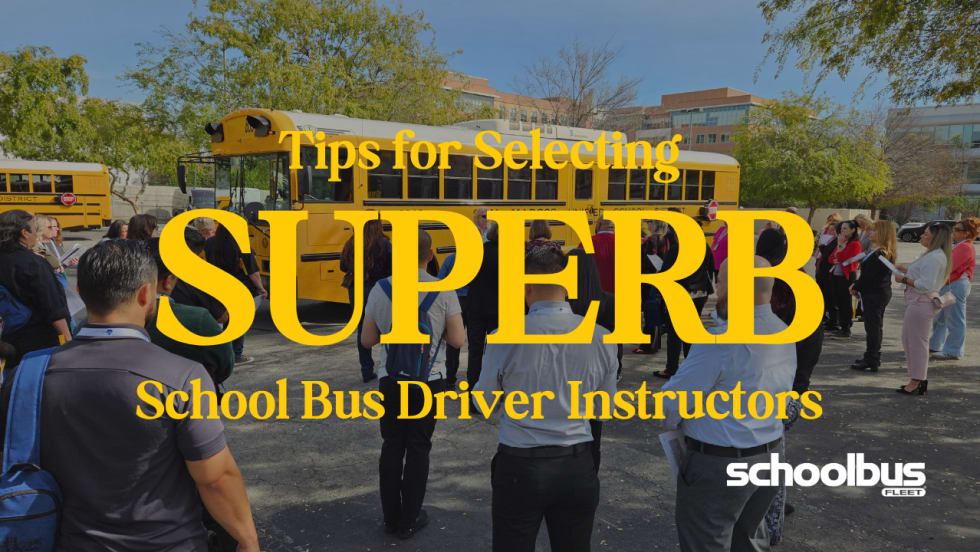
What Makes a Great School Bus Driver Trainer?
Choosing the right school bus driver trainer takes more than experience. Learn six keys to selecting and developing trainers and evaluating program effectiveness.
Read More →


School Bus Contractors Expand Through New Deals, Acquisitions & Partnerships
STA's Canadian division acquires Ontario-based G&L Stevenson Transport while Durham School Services adds a new district contract in California, First Student adds a New Jersey contract, and Minnesota Coaches acquires Halo Transportation.
Read More →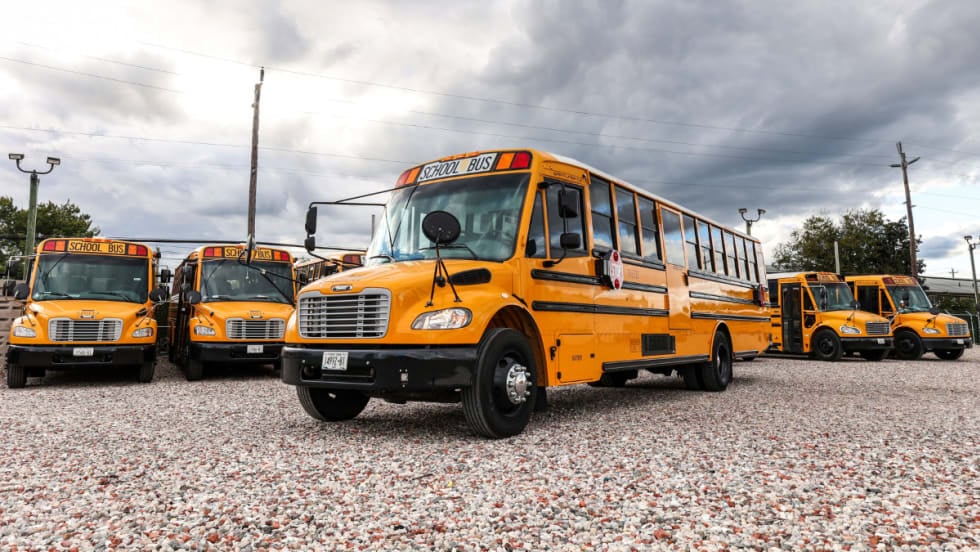
Logan Bus Company Rolls Out AI Phone System for NYC School Bus Families
A summer pilot found that AI agents could handle most routine calls, freeing up time for customer service staff to focus on emergencies and complex family concerns.
Read More →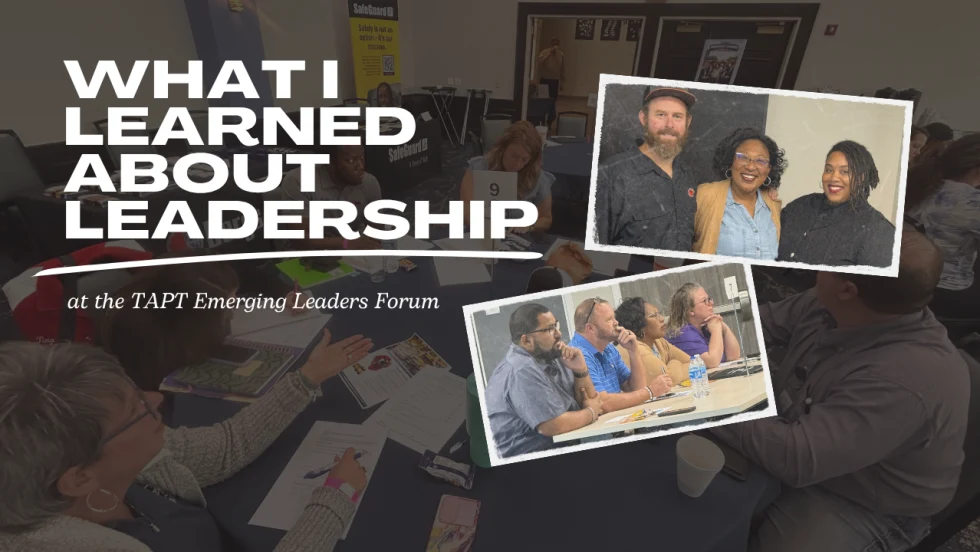
From Intent to Impact: What I Learned About Leadership from TAPT
A Texas transportation supervisor shares lessons on self-awareness, accountability, managing stress and building trust — and why investing in leadership development matters at every stage of your career.
Read More →
NAPT Names 2026 Award Recipients, Hall of Fame Inductee
Who earned national recognition for their work in student transportation? This year, NAPT named five recipients of its 2026 awards for service, safety, and leadership, plus its newest Hall of Famer.
Read More →
Sponsored•September 2, 2026
2026 State of Student Transportation Report
Driver shortages. Rising costs. Growing safety expectations. More data, but not enough time to act on it. The 2026 State of Student Transportation Report reveals what transportation leaders say is putting the most pressure on their operations—and where they’re investing next. See how your priorities compare.
Read More →
How to De-Escalate an Angry Person: 5 Steps for Handling Workplace Conflict
What makes emotions run high, and how should you handle an angry colleague or parent? Follow these steps for staying calm, listening, showing empathy, and resolving conflict.
Read More →
Sponsored•September 1, 2026
What Readiness Looks Like This School Year
Learn about the challenges shaping the 2026–2027 school year, from persistent driver shortages and budget pressure to technology and readiness gaps. See how school districts are responding and adapting in Zonar’s 2026 Back-to-School Readiness Report.
Read More →