




Fetal alcohol syndrome: Norman's struggle
Standing alone, his back pressed against the school wall, Norman hides in the protection of his high-collared coat. His gaze is fixed on infinity. As ...
Standing alone, his back pressed against the school wall, Norman hides in the protection of his high-collared coat. His gaze is fixed on infinity. As the bus door opens, a torrent of children streams up the steps, and Norman enters the flow. Seeking a direct route to his regular seat across and one back from the driver, he shoulders his way through the crowd.
Norman sits quietly as children fill the bus. He fishes a half-eaten apple from his pocket, smells it and takes a bite. He returns it to his pocket. Turning, he kneels on the seat to watch two boys vying for the right to sit with a redheaded girl. Hearing his name drift through the haze, Norman turns slowly and searches for the source of this familiar sound. Motioning with his arm, the bus driver directs, “Norman, sit down.” Norman hesitates and then drops to his seat.
As the bus leaves the school, the scenery running past the window draws Norman’s face to the glass until his nose and lips are pressed flat against the surface. The glowing sun warms his cheeks as his tongue slides out and licks the glass. Springing to his feet, Norman opens the window and laughs at the rush of fresh air on his face. His face breaks the plane of the window — and another rule. “Norman, sit down,” says the driver. Norman sits still and stiff. He knows he has the meanest bus driver in the whole world. At the first bus stop, the red-headed girl says goodbye to Norman. He does not hear her; he is still thinking that his bus driver is the meanest in the whole world.
Swaying with the rhythm of a winding road, Norman turns and faces the other children. Looking back through the seats, he is seized by the bright colors of a clown painting. A blonde-haired boy, holding the painting for others to see, doesn’t hear Norman advancing. Intrigued by the smell of drying paint and the shiny colors, Norman steps in close and strokes the clown. The blonde-haired boy shouts in protest, and Norman jumps, pulling his fingers clear of danger.
“Norman, sit down,” says the driver. Norman turns and marches toward his seat, slamming each foot down as he goes. He sits, fumes and licks his fingers. “Norman. Norman,” he hears. Norman looks up, and his eyes follow the bus driver’s extended arm, down toward the hand, past the pointing finger and out through the open door. Recognizing the familiar shapes and shades of his mother, Norman leaps up and knocks the blonde-haired boy into the empty seat across the aisle. He scurries down the steps and buries himself in the welcoming embrace of his mother’s arms.
The bus driver closes the door and reassures himself that he is not the meanest bus driver in the whole world. He is only trying to help Norman through the struggle of living with fetal alcohol syndrome (FAS).
How to deal with FAS students
FAS is brain damage. It is an invisible, non-curable disability. This brain damage can put FAS students into constant conflict with their peers, authority figures and the everyday flow of life. They struggle to fit in, and they are resistant to change. To care for an FAS student, you must be the one to change. Change your approach, change your expectations and change your level of supervision.
Recognizing an FAS student is not always easy. Some students will display many characteristic features and traits, while others will show very few. Here are some signs to look for in children with FAS:
Physical features:
small size for their age
flat midface (from the middle of the nose to the hair line)
upturned nose
short eye slits
thin upper lip
cleft palate
Neurological traits (learning disabilities):
difficulty with concepts such as time
cannot connect actions with consequences
quickly forget new information
cannot transfer learning from one situation to another
become confused under pressure
Behavior problems:
hyperactive and restless
immature social skills
overreact to stimulation
impulsive with poor judgment
moody and stubborn
overly affectionate
tactile (like to feel and touch)
How do you help FAS students? With patience; it takes a large effort to get a small success. With understanding; they are not bad, they are disabled. With repetition; remember, they forget. Here are some suggestions for supervision.
DO:
use simple verbal instructions and signals
use positive reminders (tell them what you want, not what you don’t want)
allow students time to process information and react
maintain close supervision
use repetition (the same routine and the same words each day)
ask them to repeat instructions in their own words to gauge their level of understanding
repeat, reteach and remind, each and every day
DON’T:
use negative commands (“Don’t sit on the floor.”)
use concepts (“Behave yourself.”)
expect immediate compliance
overload them with information
change their routine
pressure them
keep using methods that aren’t working
As long as an FAS student is in your care, you will have to use strategies. Do not expect them to “get the idea” or remember what you told them yesterday. Take the time and make the effort to share your undamaged brain with an FAS student just as you would share your undamaged eyes with a blind student. It will save both of you a lot of stress.
More Special Needs Transportation

Kelli Goterba Named 2026 Special-Needs School Bus Driver of the Year
Through building trust with students and strengthening her transportation team, Goterba exemplifies the impact special-needs drivers can make.
Read More →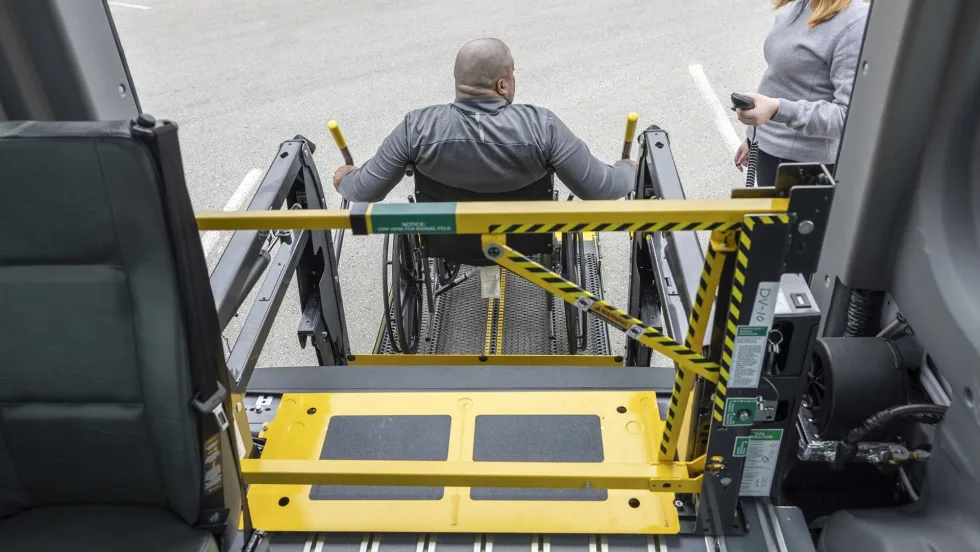
BraunAbility Introduces New Safety Barrier for Wheelchair Lifts
LiftSentinel is designed to add another layer of protection during wheelchair loading and unloading and can be retrofitted to many existing commercial lift installations.
Read More →
HopSkipDrive Launches New Safety, Driver Consistency Features for 2026-27 School Year
The company’s free ride recording, live ride tracking, and consistent driver assignments aim to improve safety and continuity for diverse student transportation needs.
Read More →
The Most Common Wheelchair Securement Mistakes on School Buses (and How to Fix Them)
Small missteps in wheelchair securement can have serious consequences. Here are 32 tips from experts to reduce risk and increase student safety on the bus.
Read More →
Inside AMF Bruns’ New Showroom: School Bus Securement Solutions Explained
Go inside AMF Bruns America’s new Ohio showroom with Maritza Valentin to see its FutureSafe technology, driver training tools, securement systems, and seating innovations.
Read More →
What AMF Bruns’ New Facility Means for Customers [Video]
Inside AMF Bruns’ new Stow, Ohio, operations: See how expanded space and innovation will enhance customer support and operations.
Read More →
AMF Bruns Expands in Ohio, Investing in Growth and Community
With expanded production space, local investment, and a growing workforce, AMF Bruns is scaling its U.S. presence. Here’s an exclusive first look inside the new Stow, Ohio, HQ.
Read More →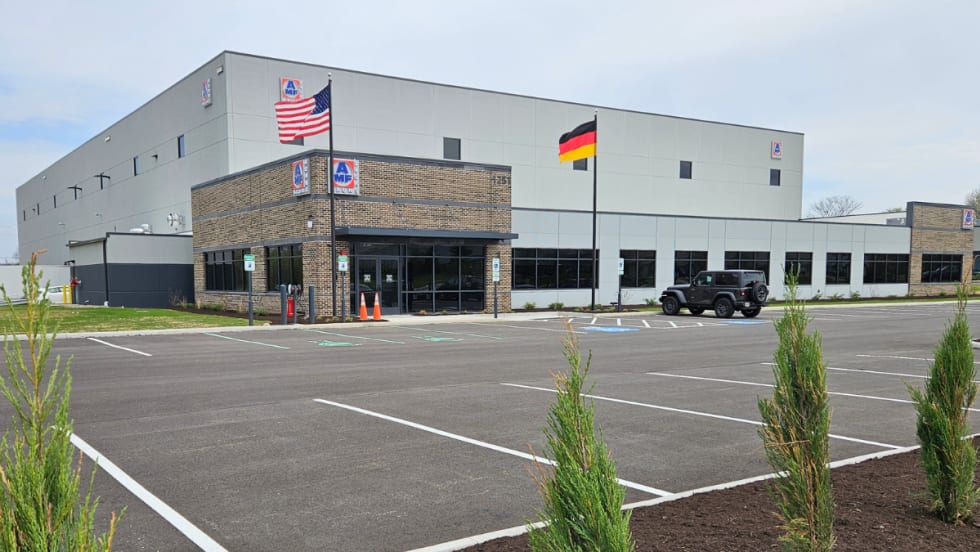
Inside AMF Bruns of America’s New Ohio Manufacturing Facility [Photos]
Take a behind-the-scenes look at AMF Bruns of America’s new 41,000-square-foot Stow, Ohio, headquarters, featuring advanced manufacturing, expanded space, and future-ready mobility solutions.
Read More →
First Student Boosts Student Support in Wichita & Texas
First Student and Wichita Public Schools are using behavioral support strategies to improve student ride experiences, while a separate initiative expands access to after-school programs through a bus donation.
Read More →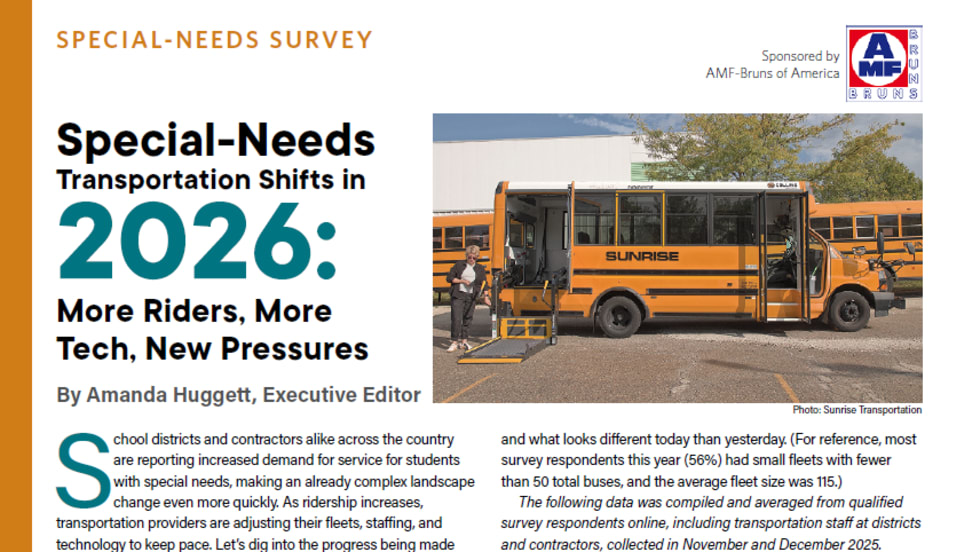
2026 Special-Needs Transportation Survey
What’s changing in special-needs transportation? This year, student transportation operators report a rising need, easing driver shortages, growing tech adoption, and evolving challenges. Sponsored by AMF Bruns of America.
Read More →