




Falling soda cans and other dangerous distractions
Let's not kid ourselves. Every now and then we do incredibly stupid things behind the wheel of our personal vehicles. On more than one occasion, I've ...
Let's not kid ourselves. Every now and then we do incredibly stupid things behind the wheel of our personal vehicles. On more than one occasion, I've nearly gotten into accidents while consulting a map en route to an appointment. The wise thing to do would have been to pull the car over to the side of the road and then check the map. But you know how it is, you're in a hurry and you're sure you can drive and read a map simultaneously. Suddenly, you're veering into an adjacent lane. If you're lucky, there's no other car trying to occupy that same physical space. If you're not. . .
Which brings me to my point. A bus driver in Standish, Maine, recently drove her bus into the side of a house because she tried to do two difficult things at once — catch a falling cup of soda and drive a school bus. During the lunge for the beverage, she apparently hit her mouth on the door opener. That's when things got interesting. Disoriented, she accidentally pressed the accelerator pedal rather than the brake and rammed the bus into a house.
Got lucky, this time
Fortunately, only two of the 30 children on board required medical attention. They were treated for abdominal and neck pain and released. The driver reportedly cracked a tooth when she grabbed for the beverage cup, but was otherwise OK. The collision badly damaged the front end of the bus and the foundation of the house. The bus' engine caught fire after the crash, but alert neighbors were able to douse the flames.
In 1996, a similar accident didn't end so benignly. A bus driver for Flagstaff (Ariz.) Unified School District lost control of her bus while handling a soda can. The bus veered off the highway and rolled over. Two students were permanently disabled in the crash. The parents of the students sued the school district, which agreed to pay a $26 million settlement.
The common denominator in these crashes is drinking and driving, so to speak. Both drivers were distracted by beverages they brought with them on the bus. In the Maine case, the driver had apparently rigged some kind of beverage holder adjacent to the steering wheel. While making a turn, the cup started to fall. You know the rest. I don't know the details of the Arizona accident, but the driver should not have been handling a soda can while driving.
A common-sense approach
The most sensible policy would be to prohibit drivers from bringing beverages aboard their buses. But I know that's not a very realistic solution. Long routes or hot days might necessitate the availability of water or some other beverage. However, common sense would dictate that a driver should never drink a beverage while the bus is in motion. In addition, drivers should never be allowed to rig their own cup holders.
Although it's instinct to try to catch something that's falling, perhaps drivers should be coached to ignore minor distractions such as falling beverages. After all, it's much easier to clean up a spill than it is to have a dentist repair a broken tooth, mechanics repair a damaged bus and contractors rebuild the foundation of a house.
You might argue that beverages are common aboard school buses and that it's a rare accident that involves that beverage, but I would argue that there are plenty more "close calls" involving those beverages than we will ever know. Let's not take any chances. Remind your drivers not to drink while the bus is in motion. Even better, encourage them to leave their drinks in the refrigerator in the drivers' lounge. They'll be nice and cold when they get done with their runs.
More Safety
School's Back. Here's What Happened to Traffic, Speeding & Distraction
What happens to traffic when school resumes? New data analysis examines changes in distracted driving, congestion, and speeding around schools.
Read More →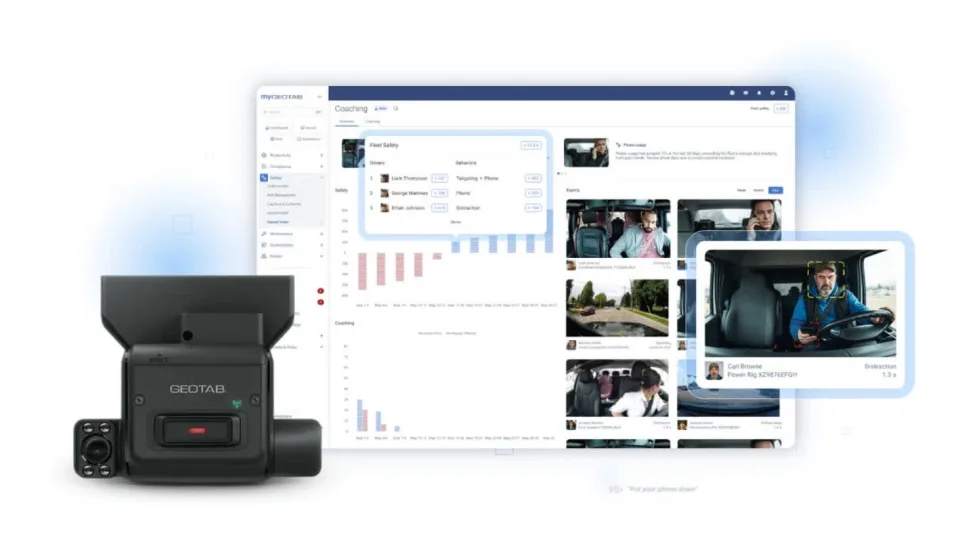
Geotab Expands Fleet Safety Tools With Video Coaching, Risk Insights
New safety and video capabilities aim to help fleet managers assess risk, support drivers, and take targeted action through video coaching, red-light violation detection, and more.
Read More →
How to Build a Better School Bus Driver Training Program
Is it time to strengthen your driver training? Here’s how to pick the right talent and improve recruitment, retention, and safety. This video is brought to you by IC Bus.
Read More →

Recent School Bus Accidents Leave 2 Dead, 2 Injured
Four school bus crashes in Florida, Illinois, and Georgia highlight risks in transportation lots, at bus stops, and during student loading and unloading.
Read More →
When Every Second Matters, Clarity Keeps Routes Moving
From routine delays to urgent incidents, strong communication practices help drivers, dispatchers, schools, and families respond with confidence.
Read More →
What Happens When a School Bus Catches Fire — and What Can Help
School bus fires are rare but can be devastating. Learn how advances in fire suppression and asset protection help fleets detect fires earlier, reduce damage, and improve safety.
Read More →
Geotab Launches Tool to Help Fleets Investigate Road Incidents
Geotab Investigations combines telematics data, video, documents, and other evidence to help fleets reconstruct incidents, resolve claims, and determine what happened.
Read More →
Texas Sixth Grader Wins 2026 National School Bus Safety Poster Contest
Sai Darshana Yekolu of Moseley Middle School in Prosper, Texas, was named the newest winner for her artwork, bringing the theme of “Safe Rides, Everyday Heroes” to life.
Read More →
Doing More With Less: How Transportation Directors Can Prioritize Safety Amid Budget Uncertainty
With diesel prices soaring and nearly one-third of transportation directors expecting budget cuts, maintaining student safety has never been more challenging. Download this guide to learn how leading districts are prioritizing risk, funding critical safety technology, and building stronger budget cases with data.
Read More →
Walton County Schools Adds Gatekeeper Stop-Arm Enforcement System
The Florida district will deploy Gatekeeper’s updated Student Protector technology, which now incorporates AI to improve video evidence.
Read More →