




Extensive policy needed to handle DNR orders
Many parents with severely impaired children have acquired written orders that restrict others from trying to resuscitate their children if they shoul...
Many parents with severely impaired children have acquired written orders that restrict others from trying to resuscitate their children if they should stop breathing. In nearly every case, the child has multiple physical disabilities and very low mental intelligence. The parents normally make this Do Not Resuscitate (DNR) decision in consultation with the family physician. We do not intend to get into moral issues of DNR orders. Our concern is to help you understand what a school district should do in order to prepare its employees for such an event. Although the state has an interest in preserving life and protecting those who are incompetent, the courts have ruled that under certain circumstances, the family can deny life-sustaining medical treatment based on a constitutional right to privacy and common law. In the 1997 case of Vacco v. Quill, the U.S. Supreme Court ruled that a New York statute that allowed individuals to refuse life-sustaining treatment did not violate the due process clause. Discrimination charge dismissed
In 1994, the legality of schools following DNR orders was challenged by disability advocates, who alleged that a school's choice to honor a DNR order was a civil rights violation of disabled individuals. They claimed that the school district discriminated against the disabled student solely on the basis of the severity of the disability. The advocates claimed that this practice was not being followed for non-disabled students. The U.S. Office of Civil Rights (OCR) ruled that the school's choice to follow the DNR orders did not violate Section 504 of the Rehabilitation Act. The OCR ruled that it was in the realm of the school district's authority to develop an Individualized Education Plan (IEP) that detailed specific measures to be taken in response to certain emergencies, including lifesaving procedures such as resuscitation. In 1990, the Supreme Court addressed the right-to-die issue in Cruzan v. Director, Missouri Department of Mental Health. Noting that many states already had laws addressing this issue, the court said, "We do not think a state is required to remain neutral. . . ." The court also recognized the "liberty interest" of a minor, but did not recognize a minor's right to refuse medical treatment in life-threatening situations. The court implied that while a competent adult may choose to refuse life-sustaining medical care, states have the right to adopt laws that allow them to make life-sustaining decisions on behalf of those who are incompetent or who are minors. Court order recommended
Because each state may view this differently, we highly recommend that every school district include in its policy a requirement that only those DNR orders accompanied by a court order will be honored. This essentially puts the responsibility for proving the appropriateness of the DNR order upon the parent or guardian. In order to avoid problems with staff not being aware of DNR orders, we recommend that every district have a school board-adopted policy that spells out the procedures to be followed when a parent or guardian presents a DNR order. This policy should include the following:
Who must receive the order
What information must be provided in the DNR order
A timeline for calling an IEP meeting in order to include the DNR order
Who will be invited to the DNR meeting
How often this IEP objective must be reviewed with the school staff
A required court order accompanied by the DNR request Before adopting a DNR policy, your district should have it reviewed by an attorney. If the policy is developed properly, the school district will be able to address the issue of "life and death" emergency procedures. Robert J. Cross is an education professor at Grand Valley State University in Grand Rapids, Mich. Tamara M. Cross is a school and labor law attorney in Newport Beach, Calif.
More Special Needs Transportation
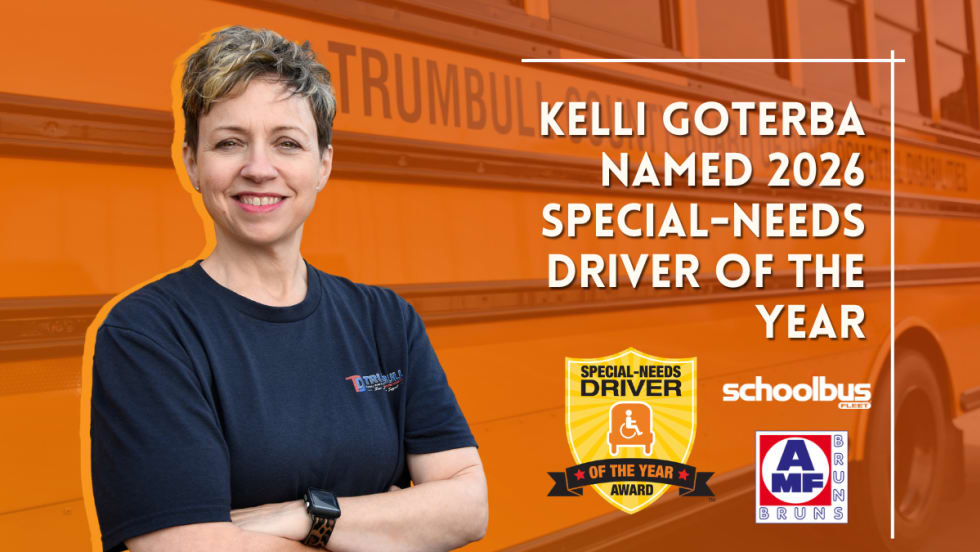
Kelli Goterba Named 2026 Special-Needs School Bus Driver of the Year
Through building trust with students and strengthening her transportation team, Goterba exemplifies the impact special-needs drivers can make.
Read More →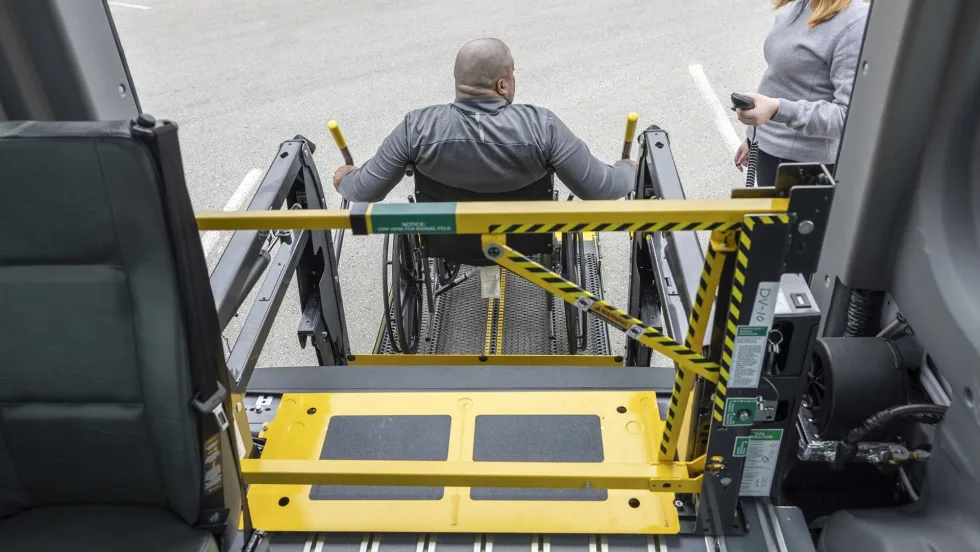
BraunAbility Introduces New Safety Barrier for Wheelchair Lifts
LiftSentinel is designed to add another layer of protection during wheelchair loading and unloading and can be retrofitted to many existing commercial lift installations.
Read More →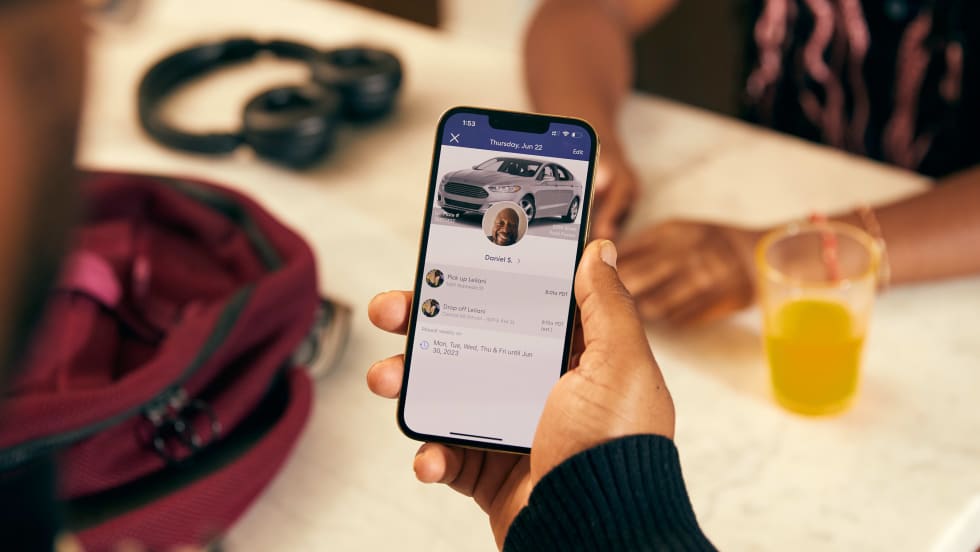
HopSkipDrive Launches New Safety, Driver Consistency Features for 2026-27 School Year
The company’s free ride recording, live ride tracking, and consistent driver assignments aim to improve safety and continuity for diverse student transportation needs.
Read More →
The Most Common Wheelchair Securement Mistakes on School Buses (and How to Fix Them)
Small missteps in wheelchair securement can have serious consequences. Here are 32 tips from experts to reduce risk and increase student safety on the bus.
Read More →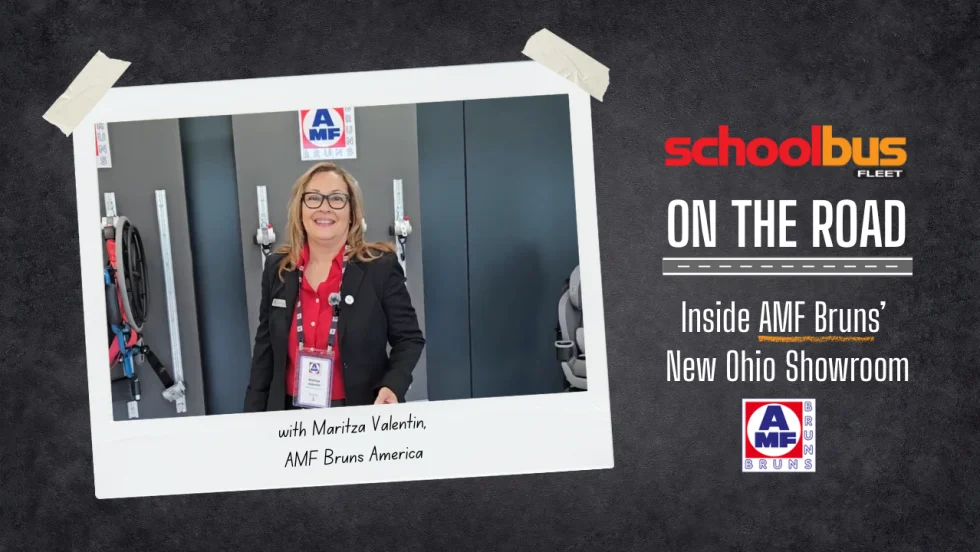
Inside AMF Bruns’ New Showroom: School Bus Securement Solutions Explained
Go inside AMF Bruns America’s new Ohio showroom with Maritza Valentin to see its FutureSafe technology, driver training tools, securement systems, and seating innovations.
Read More →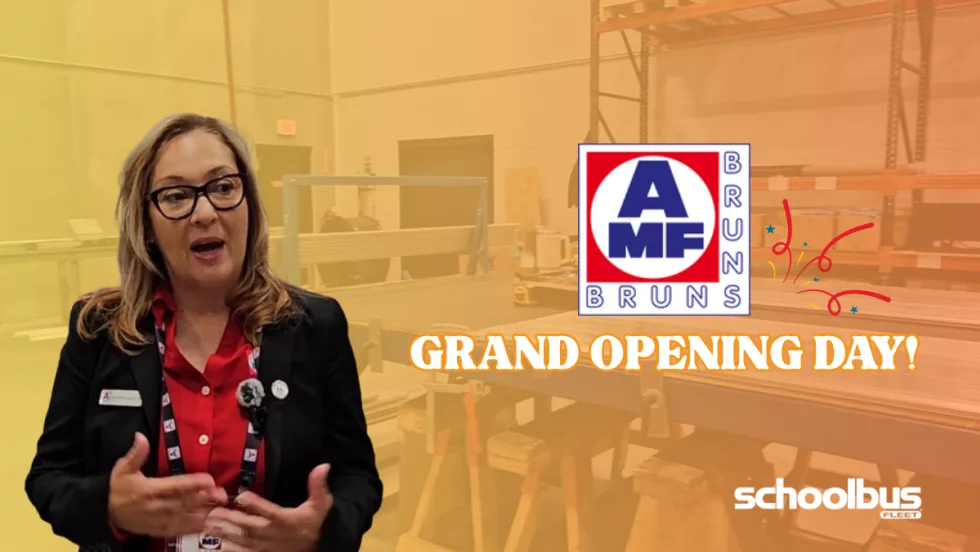
What AMF Bruns’ New Facility Means for Customers [Video]
Inside AMF Bruns’ new Stow, Ohio, operations: See how expanded space and innovation will enhance customer support and operations.
Read More →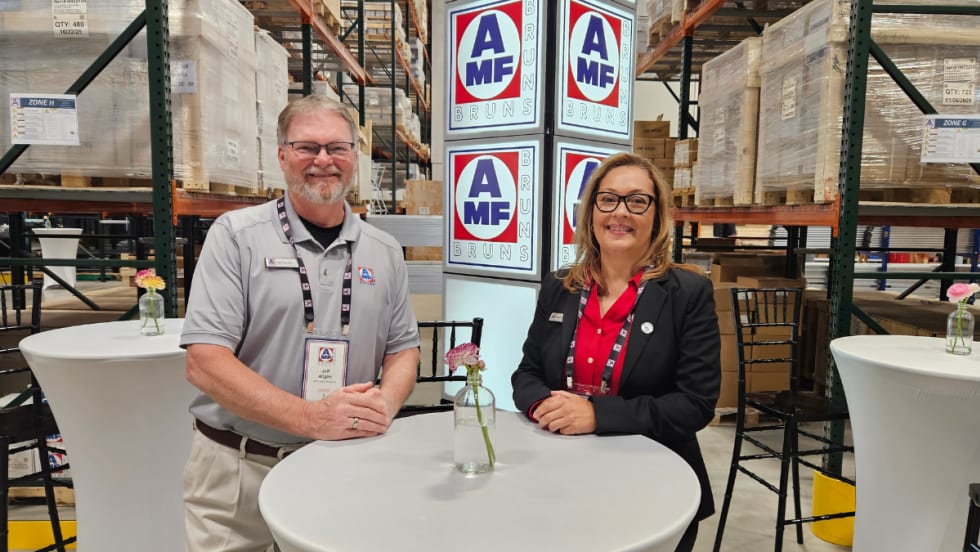
AMF Bruns Expands in Ohio, Investing in Growth and Community
With expanded production space, local investment, and a growing workforce, AMF Bruns is scaling its U.S. presence. Here’s an exclusive first look inside the new Stow, Ohio, HQ.
Read More →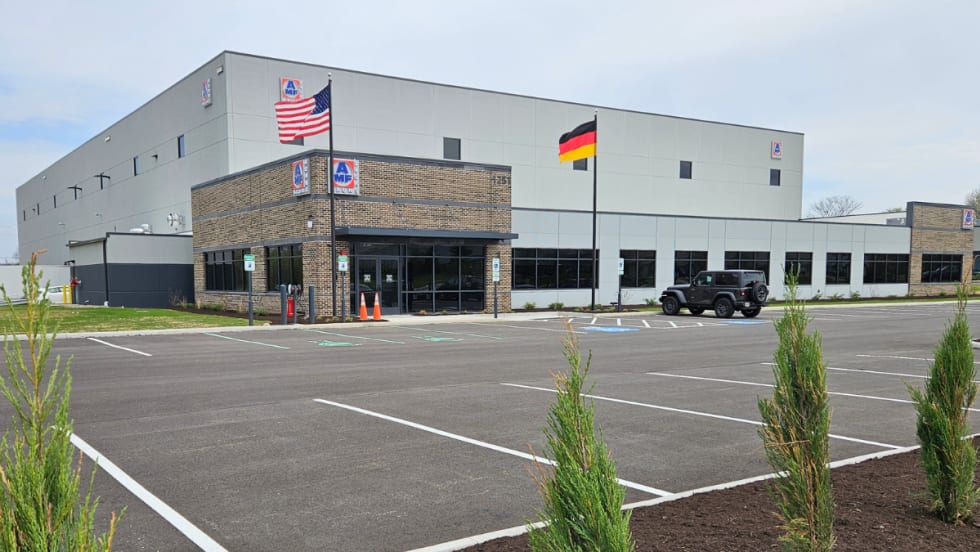
Inside AMF Bruns of America’s New Ohio Manufacturing Facility [Photos]
Take a behind-the-scenes look at AMF Bruns of America’s new 41,000-square-foot Stow, Ohio, headquarters, featuring advanced manufacturing, expanded space, and future-ready mobility solutions.
Read More →
First Student Boosts Student Support in Wichita & Texas
First Student and Wichita Public Schools are using behavioral support strategies to improve student ride experiences, while a separate initiative expands access to after-school programs through a bus donation.
Read More →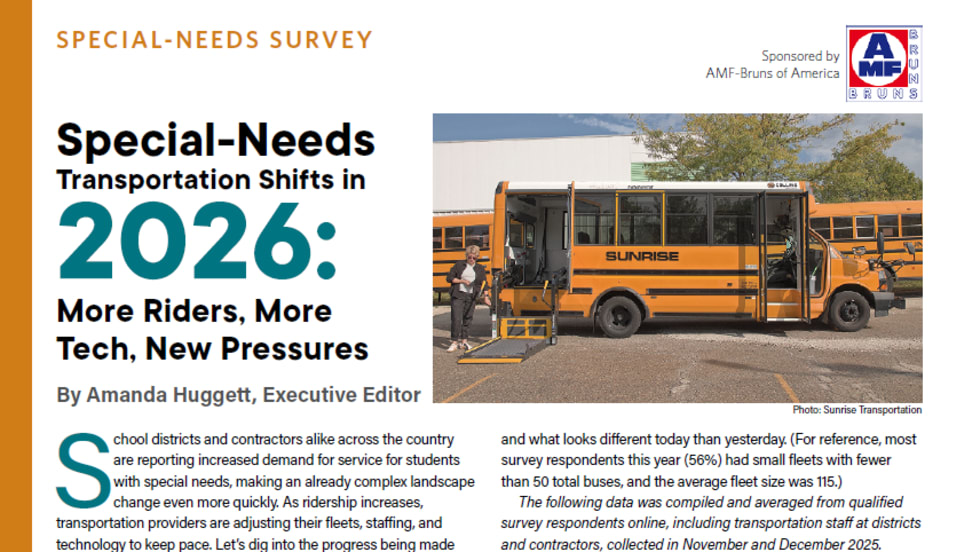
2026 Special-Needs Transportation Survey
What’s changing in special-needs transportation? This year, student transportation operators report a rising need, easing driver shortages, growing tech adoption, and evolving challenges. Sponsored by AMF Bruns of America.
Read More →