




Evaluating Bus Stop Safety Using Aerial Photography
The bus stop is the moment of truth for all school transportation departments. Students’ lives are at risk every time they enter or exit our school buses.
The bus stop is the moment of truth for all school transportation departments. Students’ lives are at risk every time they enter or exit our school buses. As supervisors, we need to evaluate our bus stops at least annually. This is not an easy task for management in small districts, much less larger ones. However, technology is now available that makes this job much easier on transportation departments.
Sometimes this technology is available at no cost. Many school districts are benefiting from cooperative agreements with their counties for this technology. In Monroe County, N.Y., we have purchased Pictometry¨ with an unlimited licensing agreement for towns and villages that are located within the county.
Pictometry is a Geographical Information System (GIS) that provides the user with tools to measure distances, elevation, grade and houses at the click of a mouse. This program gives us the ability to view bus stop locations from real pictures that are catalogued and replaced every two years.
Bus stops, school loading and unloading areas for in-district and out-of-district school bus loops and field trip locations may also be evaluated. Satellite images such as Google Earth differ from Pictometry because they are taken from an orthogonal view (directly overhead). See http://earth.google.com for an example of this free and useful program.
Accuracy and depth
Pictometry uses oblique images taken at 45 degree angles that give dimension and depth to a picture much the same way we view the world around us. Pictometry also has the ability to incorporate tax maps that highlight property boundaries and is more accurate at locating addresses than other free Internet-based GIS programs. See Pictometry for more oblique pictures at www.pictometry.com.
Whether you use a computerized routing program or paper maps, they will contain misleading or incorrect information. Houses located on a corner may be numbered on one road but the driveway or access for the student could be located on the bisecting street. Incorrect street ranges can also plague these formats. These small differences may negatively impact your routes.
With Pictometry, we can view the area we are routing from up to 12 different views. It also allows the user to crop the picture, add comments or icons and save it for future reference.
A versatile tool
This GIS technology has been priceless for our operation when we review our bus stop change requests. While direct observation of all bus stops is ideal, when you have nearly 5,000 bus stops, it is not always feasible to check out all of the stops in-person.
Annually, we receive more than 100 bus stop change requests. In the past, our safety coordinator would view the bus stop on the computer, divide the requests by four quadrants of our district, and then go out and review the stops in a company vehicle.
Using Pictometry, we are now able to review 90 percent of these requests on our computers and discuss these concerns over the phone with the parents who wrote the original request. This process has saved many labor hours and miles traveling throughout our district evaluating these bus stop requests. In addition, and more importantly, our routing staff is now able to create safer routes by being able to switch between the computerized routing program and the Pictometry system to view the area being routed.
As an added benefit, your buildings and grounds department can also use a GIS program for measuring roofs that need to be replaced, parking lots that need resurfacing or fields that need to have pesticides applied. Pictometry allows these departments to make these measurements from their offices, saving time and money.
Check with the county
If you do not have access to a GIS program, contact the office that is responsible for your county’s Environmental Services GIS Unit. See www.mappingmonroe.org for an example of the services offered to towns and villages in Monroe County.
The more interest in GIS systems that is expressed to county officials, the more likely these officials will be to consider using shared services like Pictometry, ultimately reducing duplication of services among governmental agencies.
I recommend you talk to your county officials to see if you can gain access to this new technology. Your operation will benefit greatly, and ultimately your bus stops will become safer by utilizing this technology.
More Safety
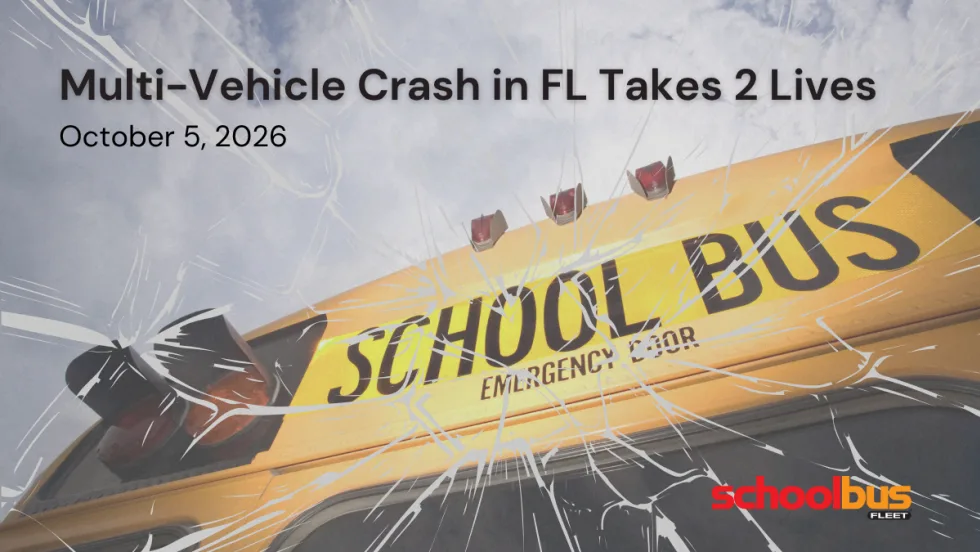
2 Killed, Dozens Injured in Florida School Bus Crash
A multi-vehicle collision caused a Polk County school bus carrying 37 students to overturn on its way to Winter Haven High School.
Read More →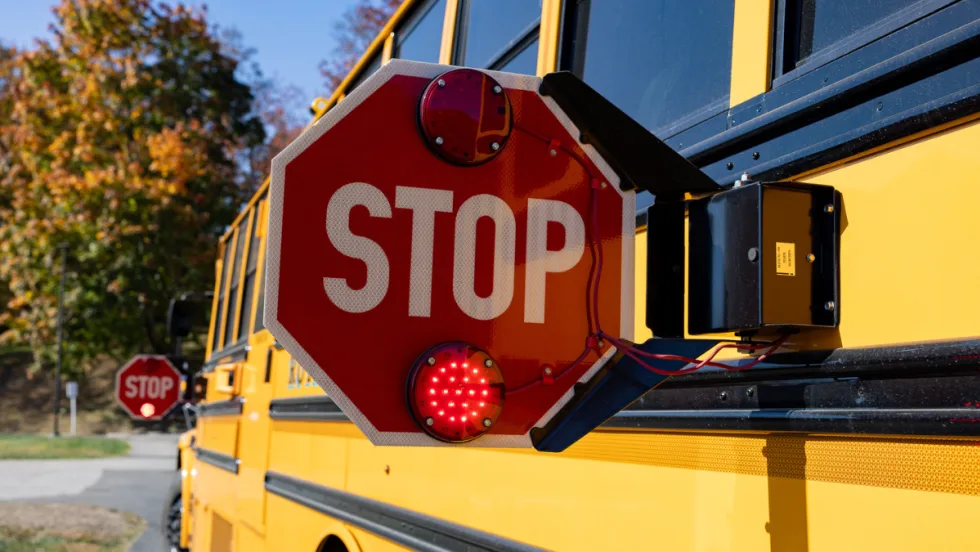
Illegal School Bus Passing Drops 24% in New York Districts
With fewer than 5% of citations involving repeat offenders, Westchester County officials said enforcement, education, and community partnerships are helping change driver behavior.
Read More →
School's Back. Here's What Happened to Traffic, Speeding & Distraction
What happens to traffic when school resumes? New data analysis examines changes in distracted driving, congestion, and speeding around schools.
Read More →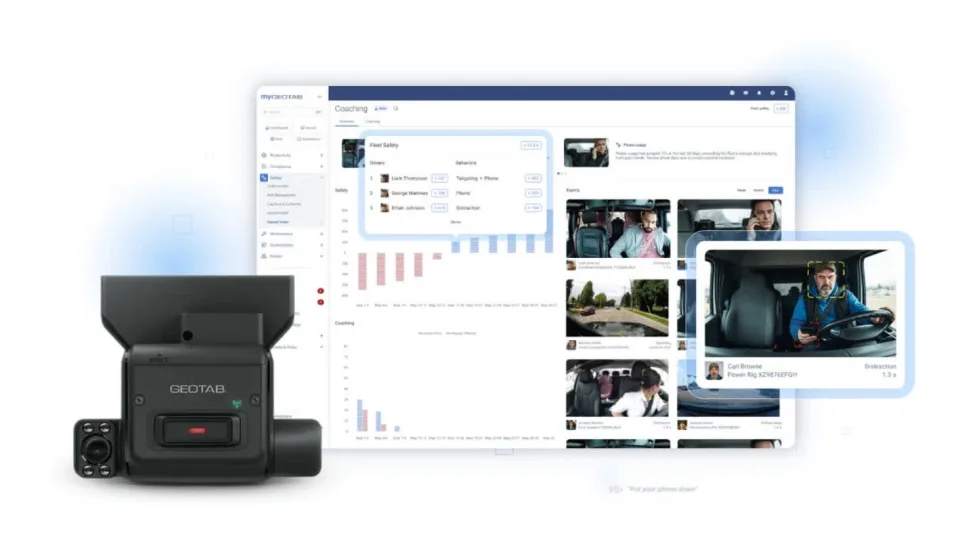
Geotab Expands Fleet Safety Tools With Video Coaching, Risk Insights
New safety and video capabilities aim to help fleet managers assess risk, support drivers, and take targeted action through video coaching, red-light violation detection, and more.
Read More →
How to Build a Better School Bus Driver Training Program
Is it time to strengthen your driver training? Here’s how to pick the right talent and improve recruitment, retention, and safety. This video is brought to you by IC Bus.
Read More →
Recent School Bus Accidents Leave 2 Dead, 2 Injured
Four school bus crashes in Florida, Illinois, and Georgia highlight risks in transportation lots, at bus stops, and during student loading and unloading.
Read More →
When Every Second Matters, Clarity Keeps Routes Moving
From routine delays to urgent incidents, strong communication practices help drivers, dispatchers, schools, and families respond with confidence.
Read More →
What Happens When a School Bus Catches Fire — and What Can Help
School bus fires are rare but can be devastating. Learn how advances in fire suppression and asset protection help fleets detect fires earlier, reduce damage, and improve safety.
Read More →
Geotab Launches Tool to Help Fleets Investigate Road Incidents
Geotab Investigations combines telematics data, video, documents, and other evidence to help fleets reconstruct incidents, resolve claims, and determine what happened.
Read More →
Texas Sixth Grader Wins 2026 National School Bus Safety Poster Contest
Sai Darshana Yekolu of Moseley Middle School in Prosper, Texas, was named the newest winner for her artwork, bringing the theme of “Safe Rides, Everyday Heroes” to life.
Read More →