




Echoes of gunshots heard on school buses
The horror, again. A 15-year-old California boy brings a gun to school and kills two students and wounds 13 others. Within days, threats of further vi...
The horror, again. A 15-year-old California boy brings a gun to school and kills two students and wounds 13 others. Within days, threats of further violence, punctuated by another shooting in Pennsylvania, plague schools across the nation. Predictably, school administrators begin examining ways of tightening campus security. The addition of metal detectors, armed security guards and real-time video surveillance by law enforcement agencies are scrutinized. Just as predictably, sociologists who study this type of violence step forward to proclaim that schools are actually safer today than they were 10 years ago, 20 years ago, whatever. The parents of the two teenagers killed in the attack at Santana High School and the parents of those killed at Columbine High School would probably disagree.
Responding to violence
I’ve talked about this subject before. Violence on campus and, by association, on the school bus. Over the past several years, school violence has become part of the national consciousness and certainly has not been ignored by the pupil transportation industry. In fact, several presentations at last November’s National Association for Pupil Transportation conference focused on this issue, with experts commenting on how to predict and prevent school violence. For our report, see “NAPT 2000 Focuses on Curbing School Violence,” December 2000. Profiling was discussed and rejected. Trying to identify potential shooters using a list of traits common to assailants and would-be assailants would be a waste of time. Bryan Vossekuil, co-director of the U.S. Secret Service Safe School Initiative, said this type of profiling is still too inexact. It likely would cast too wide a net or one that’s too narrow. “We don’t think the science is there,” he said. But Vossekuil did assert that many of these school attacks are preventable, often because the assailant tells friends of his intent. “These kids do not just snap,” he said. “Because of that, many of these attacks are preventable.” And, as we all know, Charles “Andy” Williams had told friends at Santana High School of his murderous intent a few days before the incident. Had just one of these students come forward to report Williams’ threats, the tragedy might have been averted. Although it’s possible to head off some of these attacks, we must be prepared for further violence. Let’s face it, we can’t stop everyone who’s determined to bring a gun or other weapon to school. We just don’t have the funding -- or the tenacity. In a few months we will have shoved the memory of this most recent attack into a far corner, where it will remain until the next bloody campus rampage. Also, we value our freedoms too much. We will not lock down our schools like a gulag. The price is too high. Our schools should foster discipline and rigorous learning, yes, but also creativity, self expression and, most importantly, optimism. Bars on the doors, guards in the halls and surveillance cameras everywhere are physical expressions of mistrust, desperation and, ultimately, failure.
Worst-case scenario
Even if the school board approved the placement of metal detectors at all campus entrances, where does that leave the school bus? We all understand how much more damaging an attack could be on a crowded school bus than in a crowded hallway. While we should avoid overreacting to the violent episode at Santana High School, I think the pupil transportation industry needs to reinforce the importance of driver training, both in response to emergencies and to bullying, which seems to be at the root of so many of these attacks. Bus drivers can make a difference, and probably have, in preventing students from crossing the line that separates people like Andy Williams from the rest of us.
More Safety
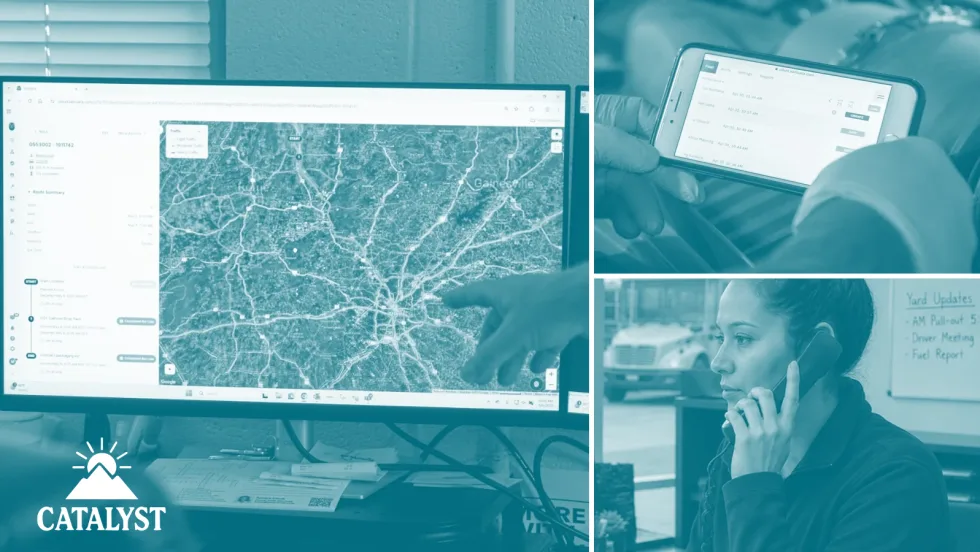
From Reactive to Proactive: Making Every Ride Visible
Smart technology only delivers its full value when it works together. See how Catalyst connects proven industry platforms to move student transportation from reactive to proactive.
Read More →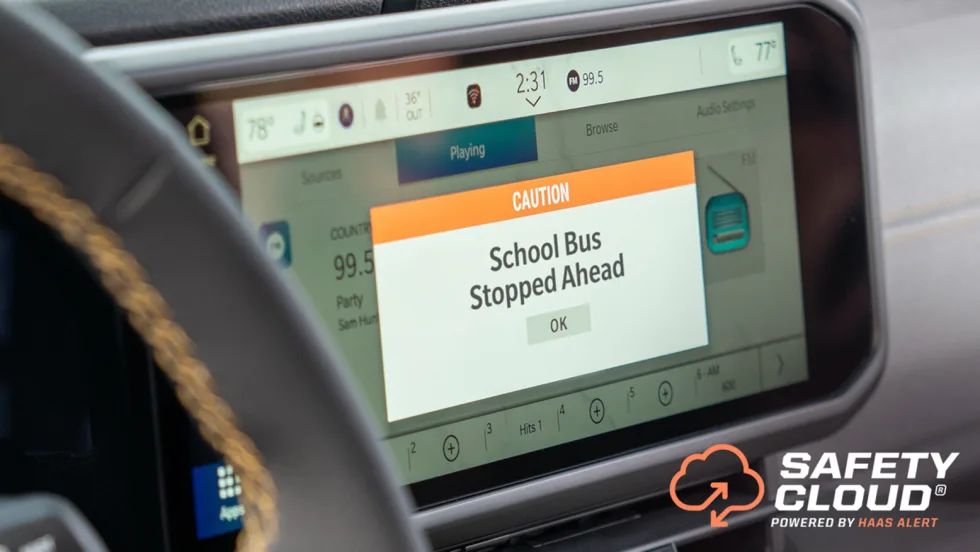
HAAS Alert’s Safety Cloud Warns Motorists of Stopped School Buses
Through a transponder or Samsara connection, the product lets school bus fleets send advance warnings to approaching drivers through in-vehicle alerts.
Read More →
HopSkipDrive Reports Progress on Safety Advisory Council
More than a year after forming the council, independent safety experts have helped shape new rider-safety features and policy progress, with a new goal to address rider behavior.
Read More →
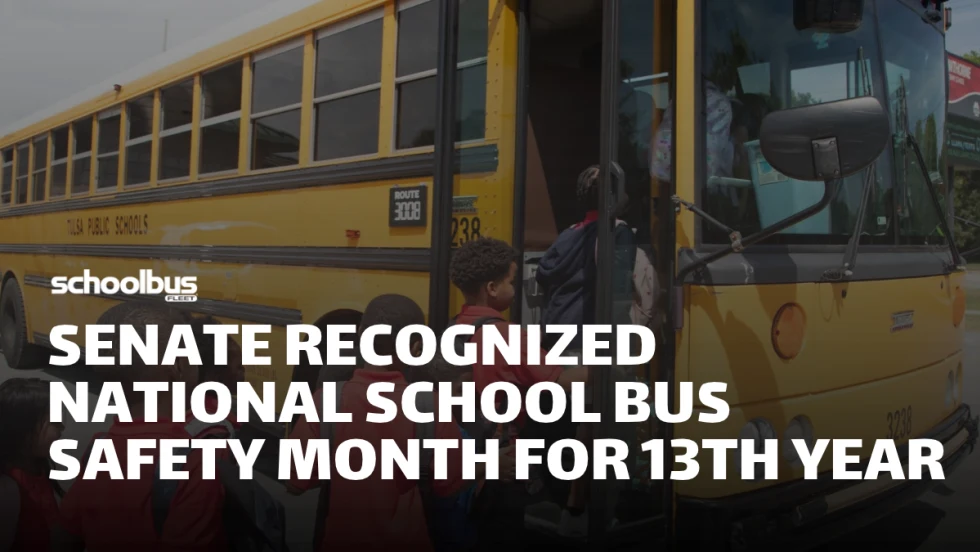
What the 2026 National School Bus Safety Month Resolution Means for Student Transportation
The bipartisan resolution highlights illegal school bus passing, student safety during loading and unloading, and the need for driver training and public education.
Read More →
School Bus Stop-Arm Violations Decline 53% Across Verra Mobility Programs
Verra Mobility shares how school bus stop-arm cameras and school zone safety programs are changing driver behavior, reducing violations, and protecting students.
Read More →
Most Bus Crashes Aren’t Your Fault. Here’s How to Prove It.
A guide for what to do in between a school bus crash and a claim: what to preserve, who to notify, and how to keep the facts available when they matter.
Read More →
National School Bus Safety Week 2026: Tips, Toolkits & Resources to Keep Students Safe
School bus safety takes more than awareness. Explore expert tips, enforcement strategies, and free resources to help protect students on every ride.
Read More →
2 Killed, Dozens Injured in Florida School Bus Crash
A multi-vehicle collision caused a Polk County school bus carrying 37 students to overturn on its way to Winter Haven High School.
Read More →
Illegal School Bus Passing Drops 24% in New York Districts
With fewer than 5% of citations involving repeat offenders, Westchester County officials said enforcement, education, and community partnerships are helping change driver behavior.
Read More →
School's Back. Here's What Happened to Traffic, Speeding & Distraction
What happens to traffic when school resumes? New data analysis examines changes in distracted driving, congestion, and speeding around schools.
Read More →