




Building Partnerships Between Special-Needs Transporters, Educators
Don't take a back seat in the IEP process
Transportation personnel should play a key role in transportation decisions for children with disabilities, long before a child has been assigned to a school bus route. But realize: All children with disabilities eligible for transportation services do not require the same level of specialized intervention.
by Linda Bluth
April 4, 2014
Collaborating with transportation personnel during IEP planning ensures that students with disabilities receive the specialized support they need for a safe and seamless journey to school.
Photo: SBF/Canva
4 min to read
Under specific circumstances, transportation personnel should play a key role in transportation decisions for children with disabilities, long before a child has been assigned to a school bus route.
It is essential to recognize that all children with disabilities eligible for transportation services — as a part of their entitlement to special education and related services under the Individuals with Disabilities Education Act (IDEA) — do not require the same level of specialized intervention. The vast majority of children with disabilities ride the same school bus as their non-disabled peers, and these children often require no or minimal assistance on their ride to and from school.
However, other children with disabilities require highly specialized planning prior to initiating transportation service. Focused and specialized decision-making may be necessary during the initial development of a child’s individualized education program (IEP) and annually thereafter, or more frequently if needed.
In Transporting Children with Disabilities (National Association for Pupil Transportation, 2009) the following examples provide general guidance for when transportation personnel should consider attending IEP meetings:
A child with a disability rides the same bus as non-disabled peers; however, the child requires ongoing assistance because of behavioral problems or requires special equipment and assistance from a trained bus attendant.
A child with a disability rides a school bus exclusively with other children with disabilities to and from school, and requires any of the following: special equipment, bus attendant or a specific behavior management program.
Special school bus equipment is required to provide transportation services, and these services are to be addressed on the IEP for the first time.
A child with disabilities has severe behavioral problems impacting safe transportation, and transportation is an integral part of the school-based behavioral management program.
A child with a disability is medically fragile and requires special handling and supervision, including specific information from medical personnel.
A child with a disability has a technology-dependent condition.
A child with a disability has an infectious disease that requires precautions beyond typical universal precautions practiced.
A child with a disability rides to school with a nurse.
Transportation and special-education personnel should work closely to determine when it is necessary for related service personnel — such as school nurses, occupational therapists, physical therapists and psychologists — to be involved in or attend an IEP meeting in order to address the specific transportation needs of children with challenging physical, emotional or cognitive issues. It is critical that transportation personnel be clear when it is necessary to participate in IEP meetings to ensure a safe ride.
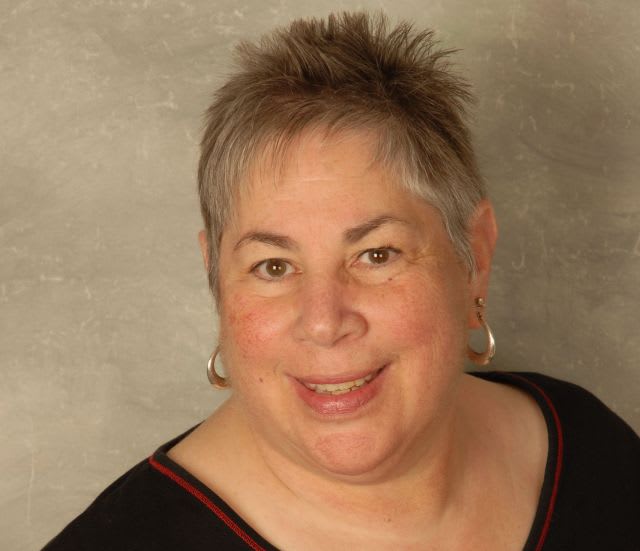
Dr. Linda F. Bluth is past president of the National Association for Pupil Transportation and special initiatives education program specialist at the Maryland State Department of Education's Division of Special Education/Early Intervention Services.
Photo: Linda Bluth
Thirty-nine years after the passage of the IDEA, transportation personnel all too regularly take a back seat in the IEP process. This can result in unforeseen consequences. In my 20-plus years as an expert witness, I have failed to observe an instance in which a death or severe injury occurred on a school bus when the IEP appropriately addressed and implemented transportation service.
The IDEA requires that transportation needs be addressed on a case-by-case basis when a child requires services different from children without disabilities. As far back as the 1999 IDEA regulations, it was stated that “in determining whether to include transportation in a child’s IEP and whether the child needs to receive transportation as a related service, it would be appropriate to have at the IEP meeting a person with expertise in that area. In making this determination, the IEP team must consider how the child’s disability affects the child’s need for transportation, including determining whether the child’s disability prevents the child from using the same transportation provided to non-disabled children or from getting to school in the same manner as non-disabled children.”
Far too many school districts do not follow this practice. It is well known that the input of parents into the IEP process addressing transportation is important, and the failure to do so is considered a significant procedural violation.
Here are five guidelines that transportation personnel should follow to address specialized transportation needs:
Describe the role of all personnel required to assist a child with IEP services during the school bus ride.
Describe in the IEP all necessary specialized bus or adaptive equipment.
Define the pickup location when it is different from that of non-disabled peers.
Describe IEP medical interventions required that are not provided to non-disabled students.
Describe unique services, such as individual behavioral intervention plans, to be implemented during the school bus ride.
In summary, in a 2003 memorandum issued by the U.S. Department of Education’s Office of Special Education Programs, it was stated: “Transportation providers play an integral role in the school lives of many children, including children with disabilities, which makes effective communication between the school and the providers essential. We believe that, for the safety and well-being of all children who ride school buses, including children with disabilities, it is crucial that they are appropriately and effectively transported by well-informed and well-trained transportation providers.”
Not taking a back seat in the IEP process is key to ensuring that transportation and school personnel are headed down the road in the same direction. Attending to the specialized needs of children with disabilities with challenging transportation issues is a vital safety measure.
Subscribe to Our Newsletter
More Special Needs Transportation
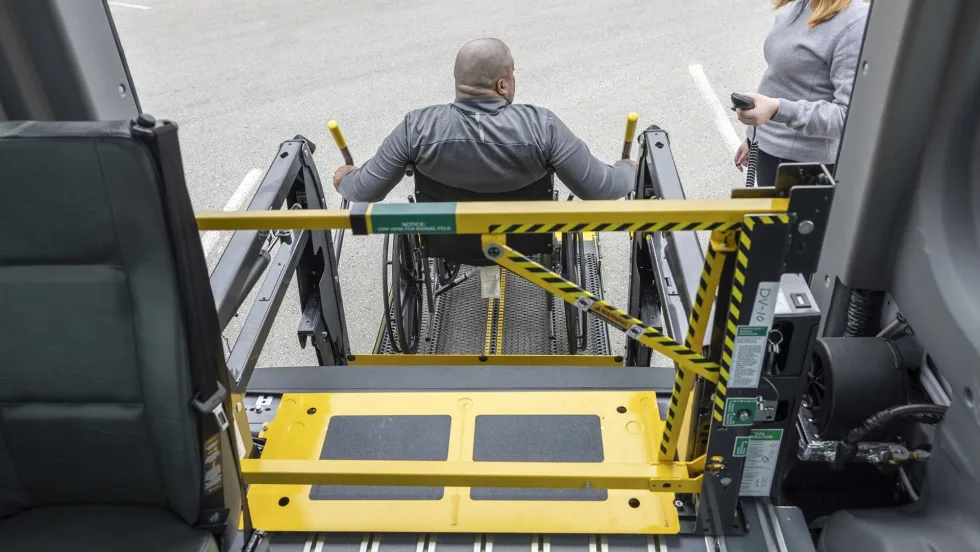
BraunAbility Introduces New Safety Barrier for Wheelchair Lifts
LiftSentinel is designed to add another layer of protection during wheelchair loading and unloading and can be retrofitted to many existing commercial lift installations.
Read More →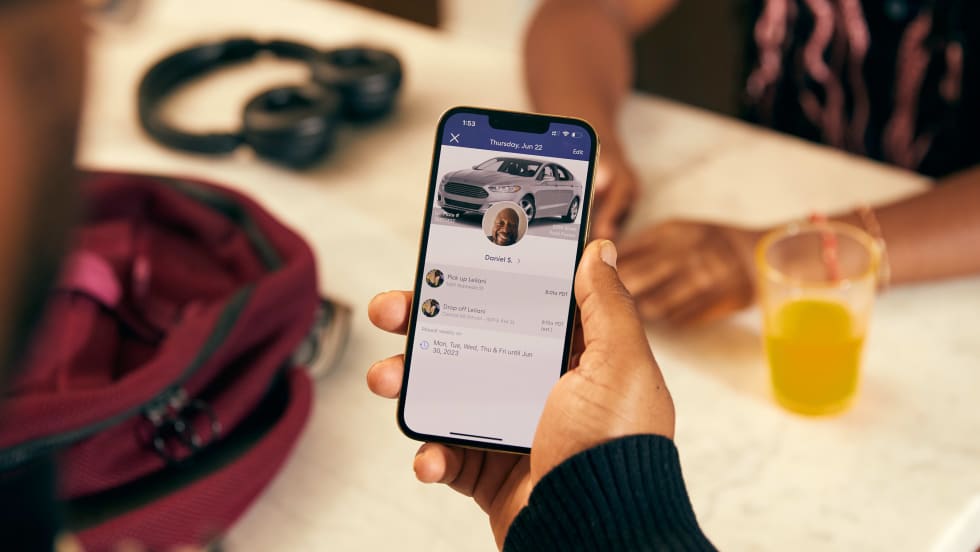
HopSkipDrive Launches New Safety, Driver Consistency Features for 2026-27 School Year
The company’s free ride recording, live ride tracking, and consistent driver assignments aim to improve safety and continuity for diverse student transportation needs.
Read More →
The Most Common Wheelchair Securement Mistakes on School Buses (and How to Fix Them)
Small missteps in wheelchair securement can have serious consequences. Here are 32 tips from experts to reduce risk and increase student safety on the bus.
Read More →
Inside AMF Bruns’ New Showroom: School Bus Securement Solutions Explained
Go inside AMF Bruns America’s new Ohio showroom with Maritza Valentin to see its FutureSafe technology, driver training tools, securement systems, and seating innovations.
Read More →
What AMF Bruns’ New Facility Means for Customers [Video]
Inside AMF Bruns’ new Stow, Ohio, operations: See how expanded space and innovation will enhance customer support and operations.
Read More →
AMF Bruns Expands in Ohio, Investing in Growth and Community
With expanded production space, local investment, and a growing workforce, AMF Bruns is scaling its U.S. presence. Here’s an exclusive first look inside the new Stow, Ohio, HQ.
Read More →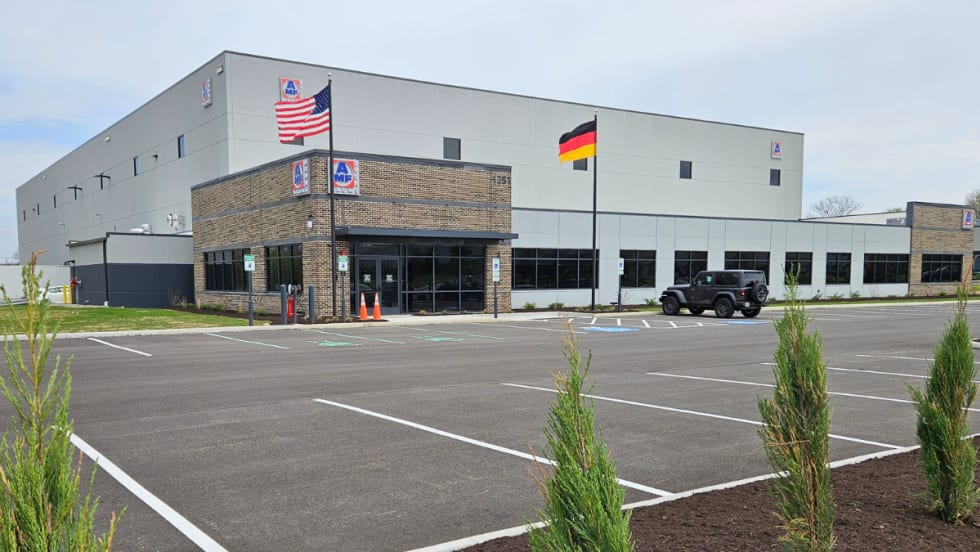
Inside AMF Bruns of America’s New Ohio Manufacturing Facility [Photos]
Take a behind-the-scenes look at AMF Bruns of America’s new 41,000-square-foot Stow, Ohio, headquarters, featuring advanced manufacturing, expanded space, and future-ready mobility solutions.
Read More →
First Student Boosts Student Support in Wichita & Texas
First Student and Wichita Public Schools are using behavioral support strategies to improve student ride experiences, while a separate initiative expands access to after-school programs through a bus donation.
Read More →
2026 Special-Needs Transportation Survey
What’s changing in special-needs transportation? This year, student transportation operators report a rising need, easing driver shortages, growing tech adoption, and evolving challenges. Sponsored by AMF Bruns of America.
Read More →
The Lived-Experience Gap in Mobility Tech: An Expert Take on Safe Student Transportation
Brianna Pauwee, a product application specialist at AMF Bruns of America and a wheelchair user, drops in to The Route to share practical securement and training insights, plus the story behind the new “Beyond Mobility” podcast. The Route is sponsored by IC Bus.
Read More →