




Do school bus people have ‘the right stuff’?
Notable information presented at the 1999 Southeastern States Pupil Transportation Conference in Huntsville, Ala.
I am writing this column at a cruising altitude of 35,000 feet on my return to Los Angeles from the annual Southeastern States Pupil Transportation Conference in Huntsville, Ala. The seat belt sign is on, but we are free to move about the cabin. Or so the captain says. All things considered, I’d rather stay in my window seat and peck away at my laptop computer. I learned plenty at this conference, which always manages to present a quality program at a relaxed pace. If you didn’t attend the conference (which celebrates its 50th anniversary next year in Daytona Beach, Fla.), here’s some notable information that was presented.
NHTSA rule still distant
Charlie Hott, school bus safety standards engineer at the National Highway Traffic Safety Administration (NHTSA), said a final rule on the agency’s ongoing occupant protection study could be three to five years away. The final report on the $1 million, two-year program is expected next summer. It’s designed to create the next generation of school bus occupant protection, which could range from adding padding to the sidewalls and ceilings of the bus to the installation of three-point seat-belt systems. Charlie Hood, Florida’s state pupil transportation director and chair of the steering committee for the 13th National Conference on School Transportation, said he’s expecting some lively discussion on the following topics when the delegates meet next year in Warrensburg, Mo. — the use of vans and transit buses to transport schoolchildren; occupant protection (specifically, NHTSA’s ongoing project), pre-kindergarten transportation, loading zone safety (including a discussion of sensors and warning systems) and bus inspections. Gary Van Etten, a highway accident investigator for the National Transportation Safety Board, discussed the federal agency’s findings in the investigation of four accidents involving non-conforming buses. In a recent survey, he said six of 32 states allow the use of non-conforming buses for transportation to and from school or school-related activities. Meanwhile, eight of 28 states allow the use of non-conforming buses for Head Start transportation. “You should take a close look at what your rules actually say,” Van Etten advised. Mike Martin, executive director of the National Association for Pupil Transportation (NAPT), warned against the “distortions and erroneous information” being spread by advocates of lap belts on school buses. He said the NAPT and the National Association of State Directors of Pupil Transportation Services are preparing their own public relations campaign, which will use survey data and media education to promote the safety record of the yellow school bus. “That’s a story that needs to be told,” Martin said. Diane Wigle, a highway safety specialist at NHTSA, said she is planning a public meeting to discuss issues involving pre-kindergarten transportation, such as step heights, seat spacing and placement of seat belts. Stay tuned for more information on this proposed meeting. If you haven’t already read it, NHTSA’s “Guideline for the Safe Transportation of Preschool-Age Children in School Buses” can be accessed at SBF’sWebsite in the Resources section.
Rockets and school buses
One of the highlights of the conference was an evening at Huntsville’s U.S. Space and Rocket Center, which is packed with remarkable exhibits from the nation’s space program. As I sit here in this airliner, I can only marvel at the courage it took for the early astronauts to tuck themselves into tiny capsules perched on monstrous rockets. As we all know, driving a packed school bus takes grit, too. School bus drivers deserve more recognition. Take a few minutes now and then to praise your drivers for having “the right stuff.”
More Safety

How to Build a Better School Bus Driver Training Program
Is it time to strengthen your driver training? Here’s how to pick the right talent and improve recruitment, retention, and safety. This video is brought to you by IC Bus.
Read More →
Recent School Bus Accidents Leave 2 Dead, 2 Injured
Four school bus crashes in Florida, Illinois, and Georgia highlight risks in transportation lots, at bus stops, and during student loading and unloading.
Read More →
When Every Second Matters, Clarity Keeps Routes Moving
From routine delays to urgent incidents, strong communication practices help drivers, dispatchers, schools, and families respond with confidence.
Read More →

What Happens When a School Bus Catches Fire — and What Can Help
School bus fires are rare but can be devastating. Learn how advances in fire suppression and asset protection help fleets detect fires earlier, reduce damage, and improve safety.
Read More →
Geotab Launches Tool to Help Fleets Investigate Road Incidents
Geotab Investigations combines telematics data, video, documents, and other evidence to help fleets reconstruct incidents, resolve claims, and determine what happened.
Read More →
Texas Sixth Grader Wins 2026 National School Bus Safety Poster Contest
Sai Darshana Yekolu of Moseley Middle School in Prosper, Texas, was named the newest winner for her artwork, bringing the theme of “Safe Rides, Everyday Heroes” to life.
Read More →
Doing More With Less: How Transportation Directors Can Prioritize Safety Amid Budget Uncertainty
With diesel prices soaring and nearly one-third of transportation directors expecting budget cuts, maintaining student safety has never been more challenging. Download this guide to learn how leading districts are prioritizing risk, funding critical safety technology, and building stronger budget cases with data.
Read More →
Walton County Schools Adds Gatekeeper Stop-Arm Enforcement System
The Florida district will deploy Gatekeeper’s updated Student Protector technology, which now incorporates AI to improve video evidence.
Read More →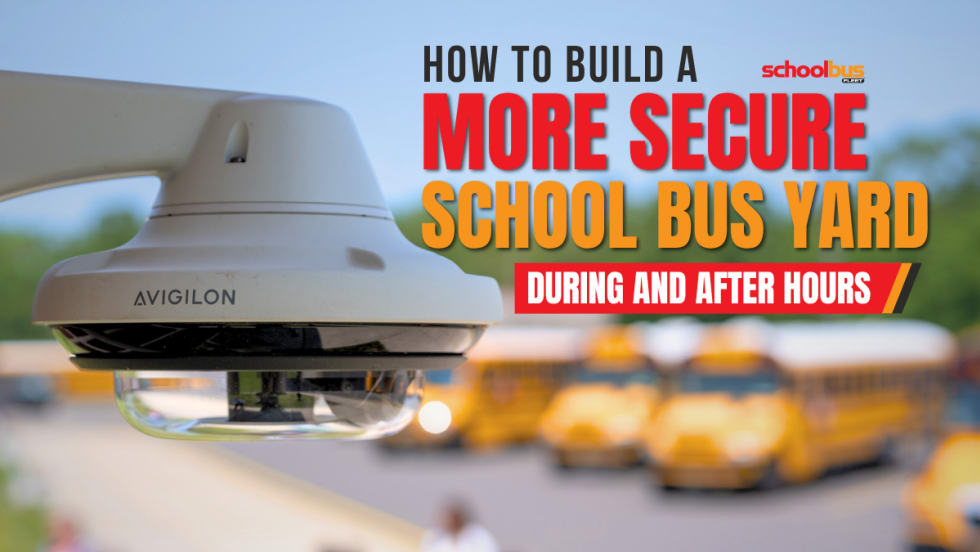
How To Build a More Secure School Bus Yard During and After Hours
As thefts and overnight security threats continue, school transportation leaders are combining stronger operational practices with AI-enabled surveillance to better protect buses, facilities, and staff.
Read More →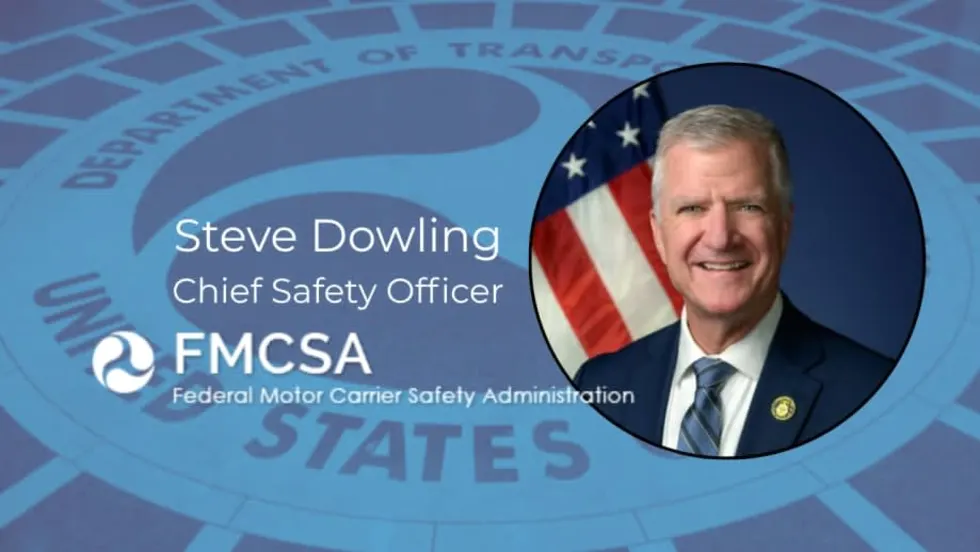
FMCSA Names New Chief Safety Officer: What School Bus Operators Should Know
Steve Dowling is set to lead the federal agency's efforts to advance commercial motor vehicle safety and reduce crashes, fatalities, and injuries on the nation's roadways.
Read More →