




Dangers beyond the bus are worthy of our attention
The commonly used phrase “home-to-school transportation” is not exactly accurate.
The commonly used phrase “home-to-school transportation” is not exactly accurate. The vast majority of students who receive yellow school bus service only ride part of the way to and from school — from the bus stop in the morning and to the bus stop in the afternoon. That means, of course, students and their parents are responsible for getting to the bus stop safely in the morning and from the bus stop to home in the afternoon. The distance that a student might have to cover to the bus stop could be as little as 30 feet or as much as several blocks. That’s a wide variance, but these children share a common bond: Until they step on the school bus in the morning or reach home in the afternoon, they are vulnerable.
The danger is real
We need only look at a couple of incidents to understand just how exposed children are when they’re not on the bus. In March, a 10-year-old Florida girl named Jessica Rodriguez was abducted just moments after she and her sisters were dropped off by the school bus at the end of their long, dirt driveway. Their mother usually met them at the bus stop, but had fallen asleep. Jessica was released three days later by the kidnapper, and police later arrested the man suspected of the crime. Not so lucky was Xiana Fairchild, an 8-year-old girl who was kidnapped last December while walking to her bus stop in Vallejo, Calif. Despite an extensive investigation, she is still missing and police have no suspects. It’s easy to blame the parents for these types of abductions. Why didn’t Jessica’s mother make sure that she was awake to meet her daughters at the bus stop, and why didn’t Xiana’s mother or a guardian escort her to the bus stop? School districts can — and should — minimize the risks to bus-riding students by evaluating their non-bus travel to and from school. Routing and scheduling of bus service should maximize fleet efficiency and minimize risks to the students. Placement of bus stops should take into account the distances that children need to walk, streets that must be crossed and number of children at each gathering point. There’s safety in numbers. Children who must wait alone for the bus are the most vulnerable. Many school districts require that young children be accompanied by a parent or guardian to the bus stop in the morning and met at the bus stop in the afternoon. Although this type of policy can be a burden for families with two working parents, it reduces the district’s liability exposure and, more importantly, safeguards the children.
Drivers can lend a hand
Classroom bus safety training should include discussion of the dangers that children face before and after their bus ride. How to handle contact with strangers is a key issue. Although every child is taught at one time or another to be wary of strangers, this important lesson bears repeating. Drivers should be encouraged to repeat this advice to their younger passengers several times a year. Drivers should also be reminded to watch for suspicious characters or vehicles in the vicinity of a bus stop. If a driver senses immediate danger, he or she should not allow the child to disembark and should report the situation to the police. If the driver’s wrong about the potential threat, no harm done. However, if the driver’s right. . . again, no harm done. We can’t prevent every instance of crime against children, but we should take the opportunity to educate our passengers about dangers beyond the school bus. Every part of the journey from home to school and back again is important, and we need to do what we can to make sure that journey is a safe one.
More Safety
FMCSA Names New Chief Safety Officer: What School Bus Operators Should Know
Steve Dowling is set to lead the federal agency's efforts to advance commercial motor vehicle safety and reduce crashes, fatalities, and injuries on the nation's roadways.
Read More →
New Study Finds School Zone Speed Safety Cameras Cut Speeding Violations 97%
A Florida university's research demonstrates that Verra Mobility's automated enforcement changes driver behavior and significantly improves school zone safety.
Read More →
What Changed in DOT’s New National Roadway Safety Strategy?
The federal agency's new plan shifts its focus to safer people, roads and vehicles, with a new three-pronged approach instead of five. One outlined action even addresses a key industry concern around illegal school bus passing.
Read More →
Are Autonomous Vehicles Ready to Safely Navigate School Bus Stops?
NHTSA is accelerating autonomous vehicle deployment through new safety standards and commercial approvals. See why school transportation leaders are watching.
Read More →
NFL Star Lomas Brown Kicks Off New Illegal School Bus Passing PSA
Just in time for the back-to-school season, the former Detroit Lions offensive tackle took time to record a video encouraging motorists to slow down around school buses.
Read More →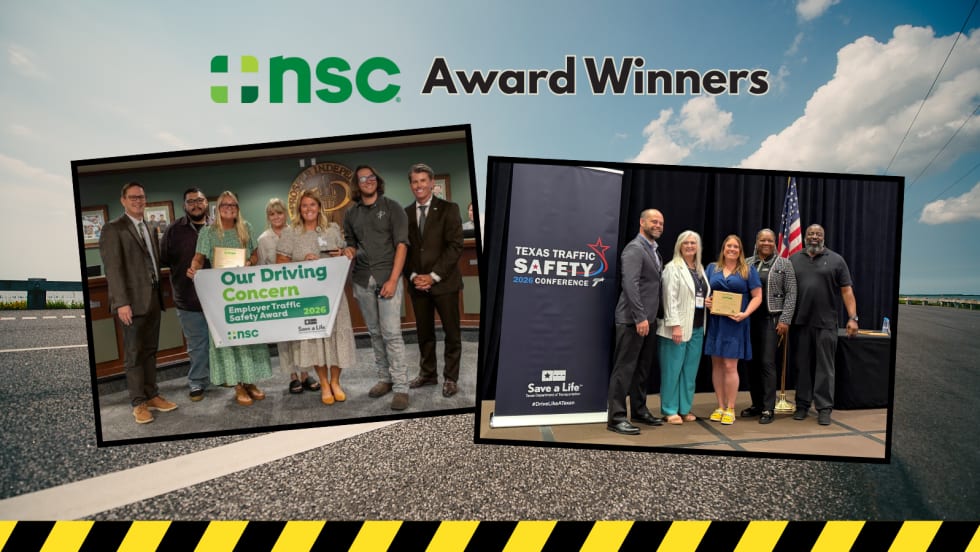
How Two Texas Districts Built Award-Winning Safety Programs
Learn how Prosper ISD and Rockwall ISD earned National Safety Council honors through hands-on training, safety culture, and strategies that reduced transportation incidents.
Read More →
NHTSA Releases 10-Year Review of Fatal School Bus Crashes
The latest federal analysis reinforces the safety of school buses while identifying where school-age pedestrians and other motorists remain most at risk.
Read More →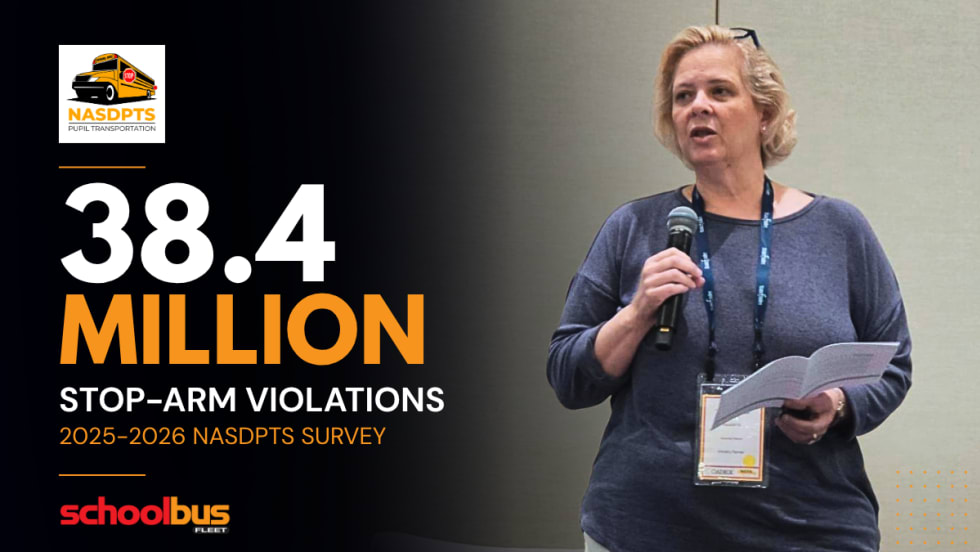
2026 NASDPTS Survey: Data Shows Further Reduction of Illegal Passing
New data is in! School bus stop-arm passings are down to 38.4 million violations per year, about a 2.3% decrease from last school year — but passings on the right side of the bus are higher than ever.
Read More →
Another School Bus Fatality Reported in Monsey, New York
A 7-year-old girl died after being struck by a school bus in Rockland County, New York while crossing the street. Here's what we know.
Read More →
NSTA Announces 2026 School Bus Driver International Safety Competition Winners
Drivers from across the U.S. and Canada showcased their safety and driving skills, with two defending champions successfully retaining their titles.
Read More →