




Building Strengths for Special-Needs Passengers
School transportation professionals benefit from training to make the most efficient use of equipment aboard their buses.

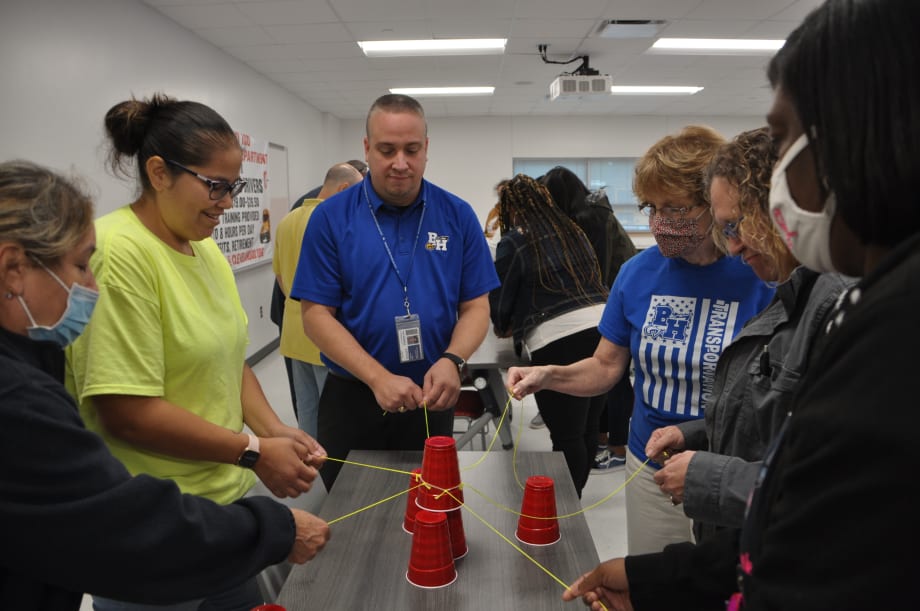
Participants in an AMF-Bruns of America training session take part in a team-building exercise.
Photo: AMF-Bruns of America
No matter how state-of-the-art a securement system might be aboard your bus, it’s often only as effective as the training a special-education driver or attendant gets.
Susan Bernstein, a transportation supervisor for Henrico County Public Schools in Virginia, attended an in-person securement training session.
She was stunned, she said, by some videos shown during the session. In one instance, the bus operator had a wheelchair incorrectly secured in the middle of the bus, centered in the aisle.
“No employee of any district should be allowed to receive, tie down, transport, or discharge a wheelchair-bound student until they have been properly trained to do so,” Bernstein said. “I feel that part of that is demonstrating to their employer competency in wheelchair transport.”
Todd Silverthorn, a transportation supervisor with Kettering City Schools in Ohio, also considered such training to be critical.
“It is important that transportation staff know how to properly use the various securements on our buses,” he said. “With several brands on the market, some are similar, but each has its own uniqueness. Not only to ensure that we are securing the students properly and positioning the equipment properly, but also to understand how to quickly remove or release the equipment should bus staff need to evacuate quickly.”
Types of Special-Needs Training Available
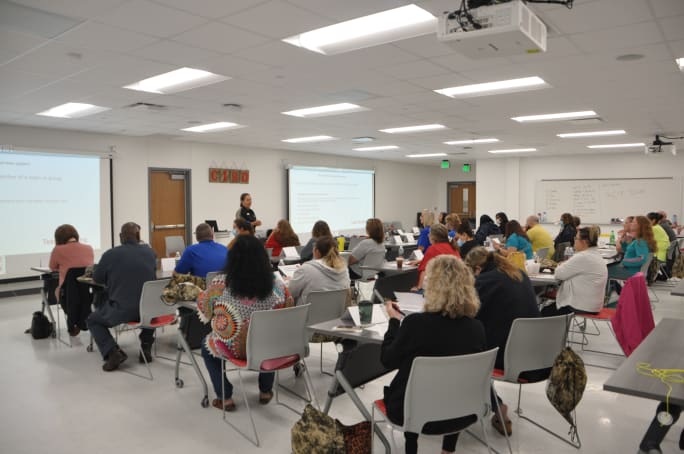
Training sessions went online during the COVID-19 pandemic, but in-person and on-site training has made a comeback.
Photo: AMF-Bruns of America
Major securement producers such as AMF-Bruns of America and Q’Straint provide online and in-person training at trade shows or on-site. The National Highway Traffic Safety Administration (NHTSA) also offers refresher training.
Training topics for special-needs transportation providers may include:
Liability and best practices.
Securement equipment operation.
Types of disabilities and behaviors.
Team communication issues.
Equipment inspection and maintenance.
Sensitivity training.
During the COVID-19 pandemic, people made use of online options to learn about wheelchair and occupant securement, complete a quiz, and receive a downloadable certificate. But in 2022, in-person training returned.
Training Options
AMF-Bruns Campus Online Training Program
Q’Straint National Training Seminar
Q’Straint On-Site Training
NHTSA Special-Needs Transportation Module
“We’ve gotten a huge response,” said Rose Ferreira, marketing manager for AMF-Bruns. “We do live boot camp training with 40-50 lead trainers. We spend four hours on wheelchair securement, standards in the industry, and suggestions they can use.”
She considers online training valuable, she said, “but sometimes you don’t get to ask those questions about real-life situations, where a driver can’t hook up a certain student or you have difficulty with the shoulder belt. In-person, you can ask questions about whether something else would work or how to do it correctly.”
Training via web browser just isn’t the same as bringing the industry together and discussing securement best practices, she said.
Darren Reaume, national training manager for Q’Straint, also works with school districts with online and in-person offerings – including webinars that school transportation supervisors can log into and view while sitting a conference room with their staff.
The monthly webinars are free, interactive, drivers can ask questions and watch videos, and, Reaume said, “it’s an easy way to get drivers certified.”
Q’Straint also offers more advanced fee-based courses that cover everything from the landscape of securement devices to troubleshooting difficult equipment to best practices for effective school districts.
All Training Options Have Value
Silverthorn prefers in-person training: “Being able to do hands-on training and understand the product’s intended use is very important. Also, the ability to talk directly with the trainer during the training session allows me to ask those important questions at that very moment. Online is fine, but watching a training video isn’t the same to me. Also, having to email your questions and awaiting a response isn’t always timely.”
Anthony Shields, transportation director for San Marcos Consolidated Independent School District in Texas, sees value in both online and in-person training.
“One of the greatest outcomes from COVID was the adaptability of online learning/training,” he said. “If I am being honest, I think a combination of both helps get material out and effective to the end user. In my current district, we will have online training over material and then follow up with a hands-on, in-person training, which has proven to be successful for our team.
Bernstein shared a similar sentiment: “Not everyone learns in the same way. Some are visual, some are auditory, while some people learn by reading/writing, and finally you have kinesthetic learners. Due to this difference of learning styles, we must present material to our staff in a variety of ways.”
Shields recommended that transportation professionals foster close relationships with the vendors who provide their special-needs securement systems.
“They have very valuable knowledge on the product, and they also get feedback from us as customers to bring back and potentially make improvements if needed,” he said.
From the Archives: Making the School Bus Ride Easier for Students with Autism in 7 Steps
More Special Needs Transportation
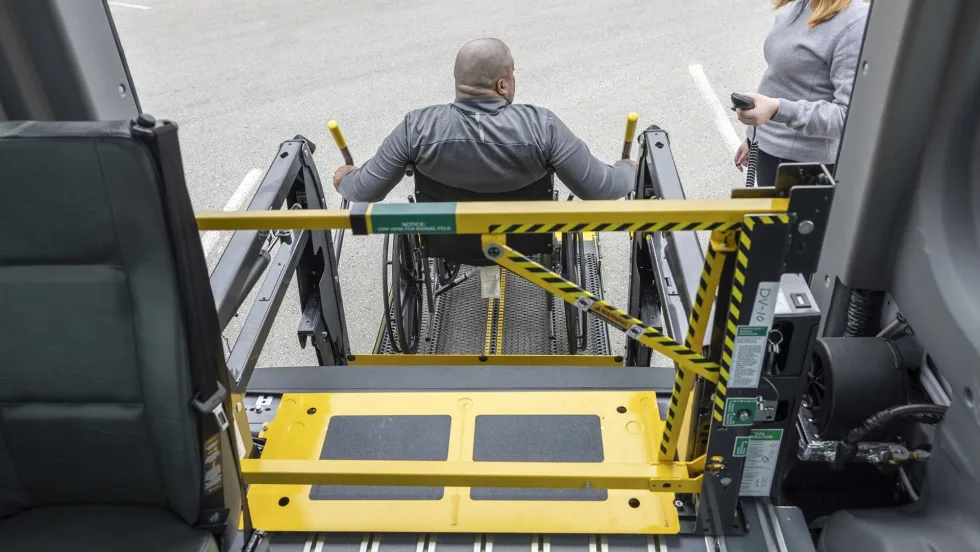
BraunAbility Introduces New Safety Barrier for Wheelchair Lifts
LiftSentinel is designed to add another layer of protection during wheelchair loading and unloading and can be retrofitted to many existing commercial lift installations.
Read More →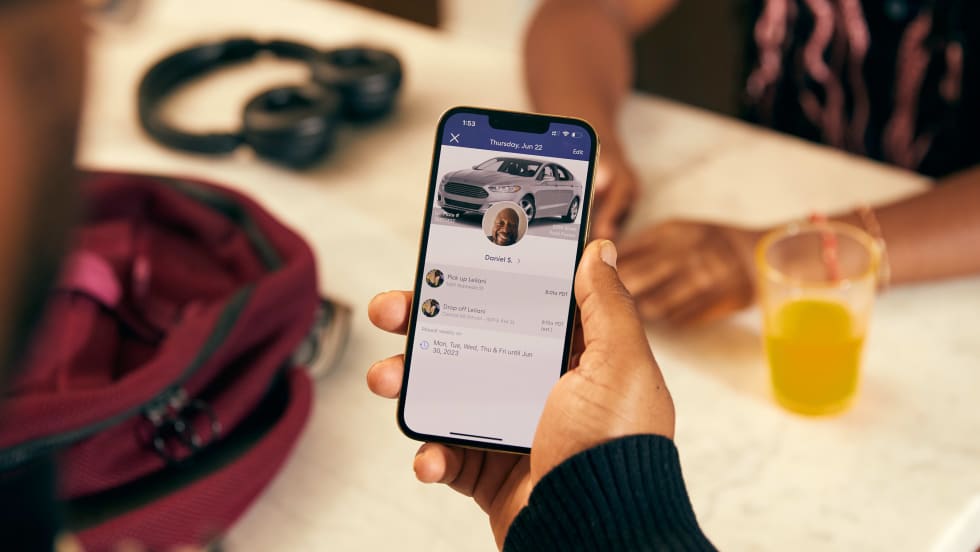
HopSkipDrive Launches New Safety, Driver Consistency Features for 2026-27 School Year
The company’s free ride recording, live ride tracking, and consistent driver assignments aim to improve safety and continuity for diverse student transportation needs.
Read More →
The Most Common Wheelchair Securement Mistakes on School Buses (and How to Fix Them)
Small missteps in wheelchair securement can have serious consequences. Here are 32 tips from experts to reduce risk and increase student safety on the bus.
Read More →
Inside AMF Bruns’ New Showroom: School Bus Securement Solutions Explained
Go inside AMF Bruns America’s new Ohio showroom with Maritza Valentin to see its FutureSafe technology, driver training tools, securement systems, and seating innovations.
Read More →
What AMF Bruns’ New Facility Means for Customers [Video]
Inside AMF Bruns’ new Stow, Ohio, operations: See how expanded space and innovation will enhance customer support and operations.
Read More →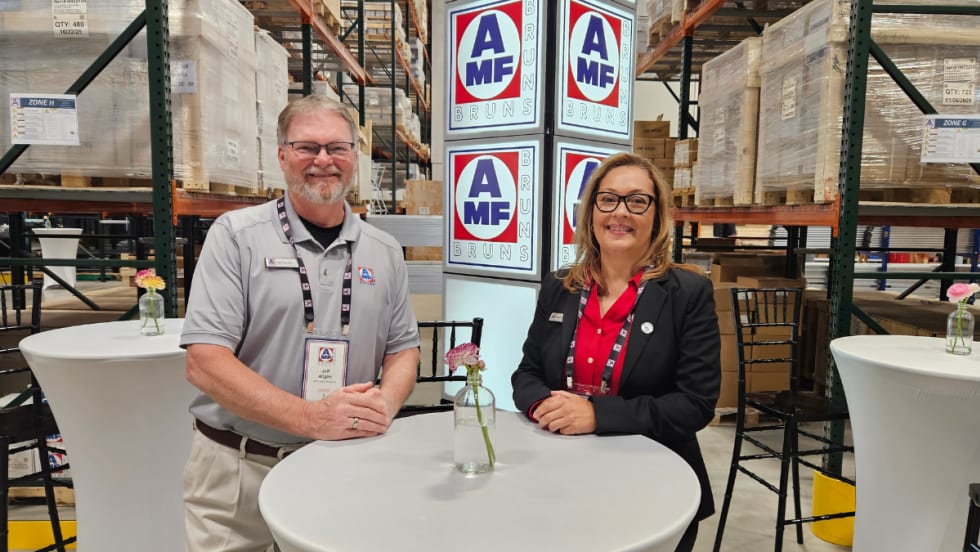
AMF Bruns Expands in Ohio, Investing in Growth and Community
With expanded production space, local investment, and a growing workforce, AMF Bruns is scaling its U.S. presence. Here’s an exclusive first look inside the new Stow, Ohio, HQ.
Read More →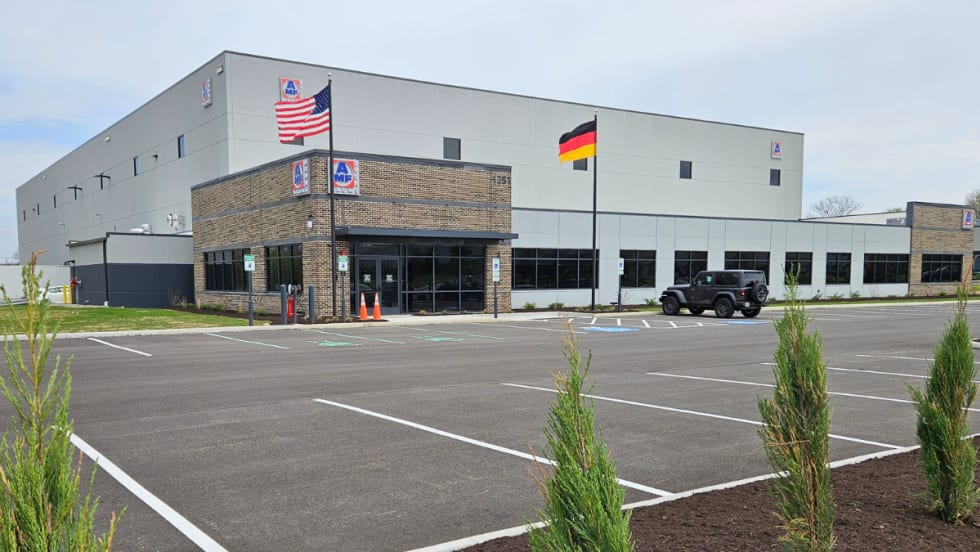
Inside AMF Bruns of America’s New Ohio Manufacturing Facility [Photos]
Take a behind-the-scenes look at AMF Bruns of America’s new 41,000-square-foot Stow, Ohio, headquarters, featuring advanced manufacturing, expanded space, and future-ready mobility solutions.
Read More →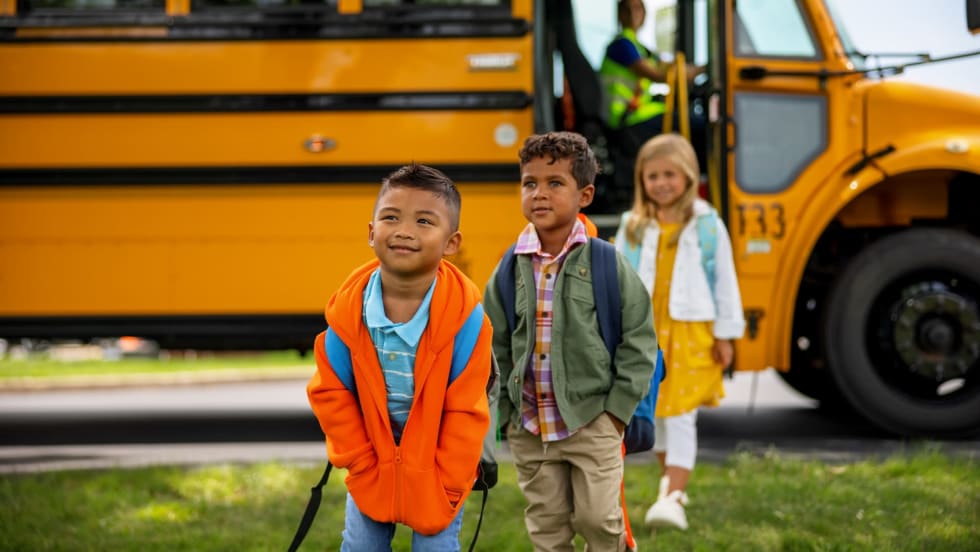
First Student Boosts Student Support in Wichita & Texas
First Student and Wichita Public Schools are using behavioral support strategies to improve student ride experiences, while a separate initiative expands access to after-school programs through a bus donation.
Read More →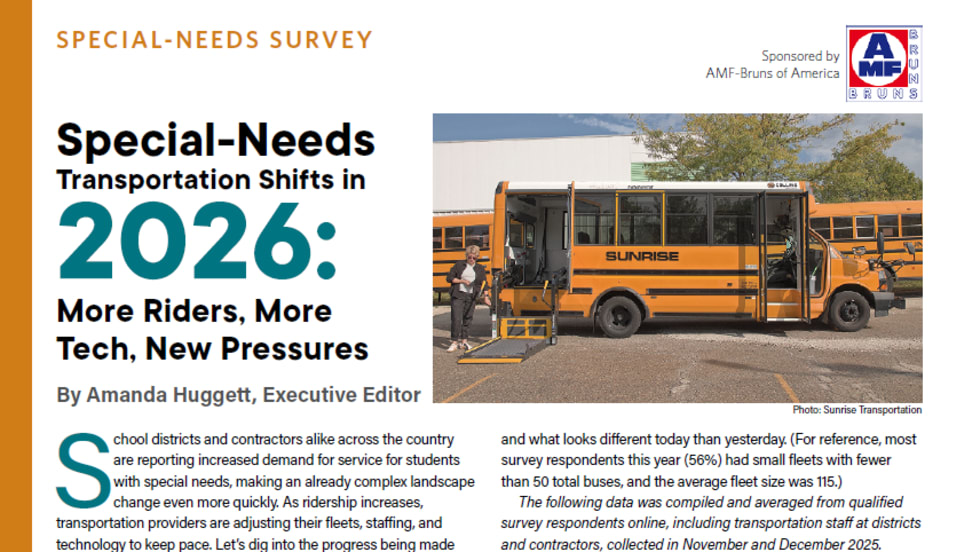
2026 Special-Needs Transportation Survey
What’s changing in special-needs transportation? This year, student transportation operators report a rising need, easing driver shortages, growing tech adoption, and evolving challenges. Sponsored by AMF Bruns of America.
Read More →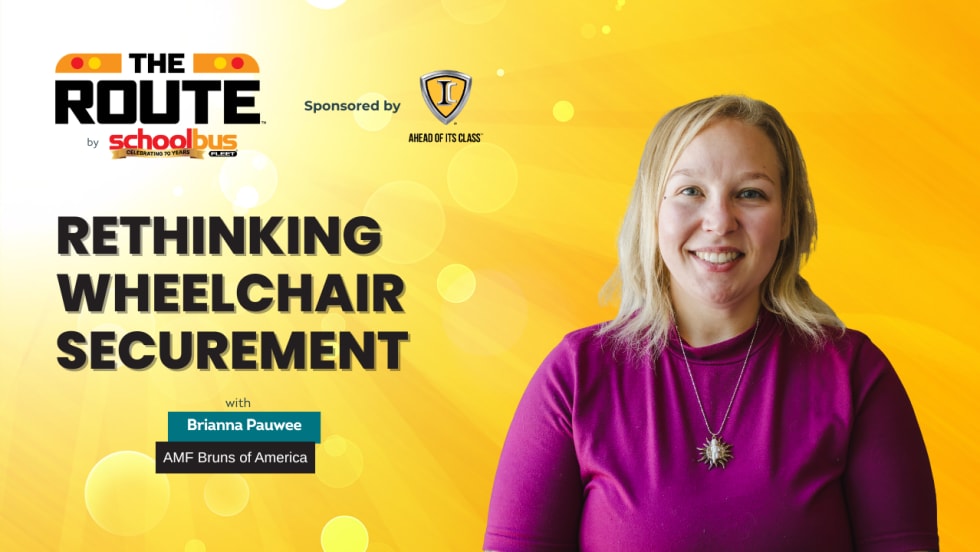
The Lived-Experience Gap in Mobility Tech: An Expert Take on Safe Student Transportation
Brianna Pauwee, a product application specialist at AMF Bruns of America and a wheelchair user, drops in to The Route to share practical securement and training insights, plus the story behind the new “Beyond Mobility” podcast. The Route is sponsored by IC Bus.
Read More →