




Air-conditioning compressor could make a ‘big splash’
A new development in air-conditioning technology could lead to significant savings for school bus operations.

A new development in air-conditioning technology could lead to significant savings for school bus operations.
Bitzer US Inc.’s latest compressor, the F400, is the first transit-style compressor to fit a conventional (Type C) school bus, the company says. Previously, air-conditioning systems on these buses were limited to automotive-style (or swash-plate) compressors.
The difference between the two is substantial, according to Matt Lish, director of transport sales for Bitzer. In warmer climates, automotive-style compressors may need to be replaced as frequently as once a year. A replacement can cost around $700 in parts and labor. Additionally, Lish says, school bus operators must bear the costs of maintaining spare buses, carrying compressor inventories and towing buses if their air-conditioning belts come loose and cause additional damage.
Air-conditioning systems using transit-style compressors generally cost a few thousand dollars more up front, but Lish says that they quickly pay for themselves since they can last 10 years if they are properly installed and maintained.
“Automotive compressors are essentially what you have in your car, but they made them a little bigger and now typically put two in buses,” Lish says. “Transit-style compressors are much larger and more robust and are designed specifically for buses and their associated complexities, such as the lengthy pipe runs, numbers of fittings, larger components and much higher refrigerant charges.”
While the transit type of compressor is already used in rear-engine school buses, earlier models have been too large to fit under the hood of a conventional school bus. Lish says that this has been a source of frustration for both the technicians who work on air-conditioned conventionals and the fleet managers who are aware of the significant maintenance costs they require. For example, a school district in northern Florida with a fleet of 142 buses reportedly had to replace 64 automotive-style compressors last year.
Lish says that unlike other transit-style compressors, Bitzer’s F400 was designed to fit under a hood. The all-aluminum unit is relatively small and light — weighing about 51 pounds — but still durable.
The project to equip a conventional bus with a transit-style compressor was initially driven by Thomas Built Buses dealer Florida Bus Unlimited and its customers’ needs. Through a joint effort, Carrier, Bitzer and TransArctic, a Carrier installer, responded by engineering an F400-powered air-conditioning system for Thomas Built’s C2 conventional. Rifled Air Conditioning Systems has also come out with a unit that uses the F400.
Lish says that similar systems are in the works for IC Corporation’s conventional, and they may also be soon for Blue Bird’s.
“This is really going to make a big splash in the industry,” Lish says.
More Maintenance
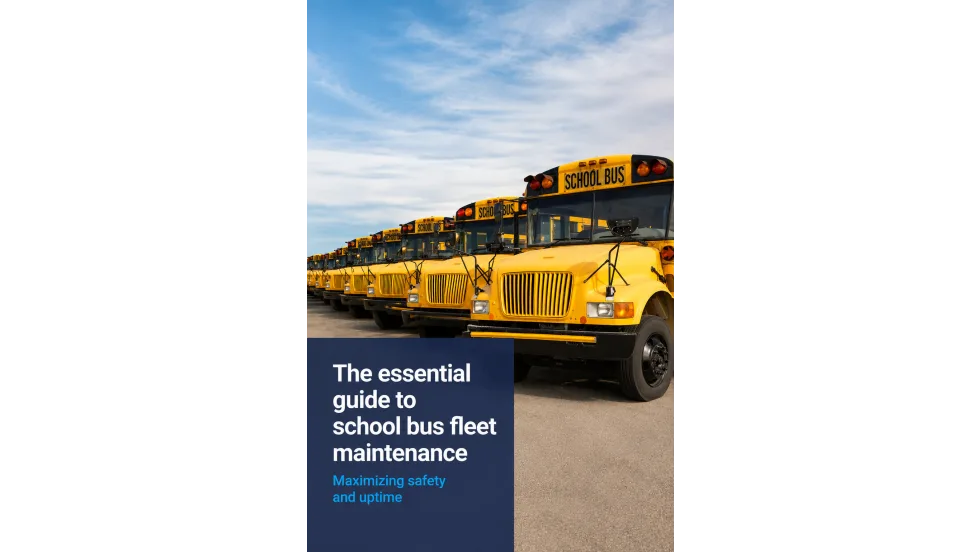
The Essential Guide to School Bus Maintenance and Student Safety
Your district's buses carry students to school every day. This guide shows how predictive maintenance powered by fleet data helps keep buses reliable, drivers accountable and students safer from the first bell to the last stop.
Read More →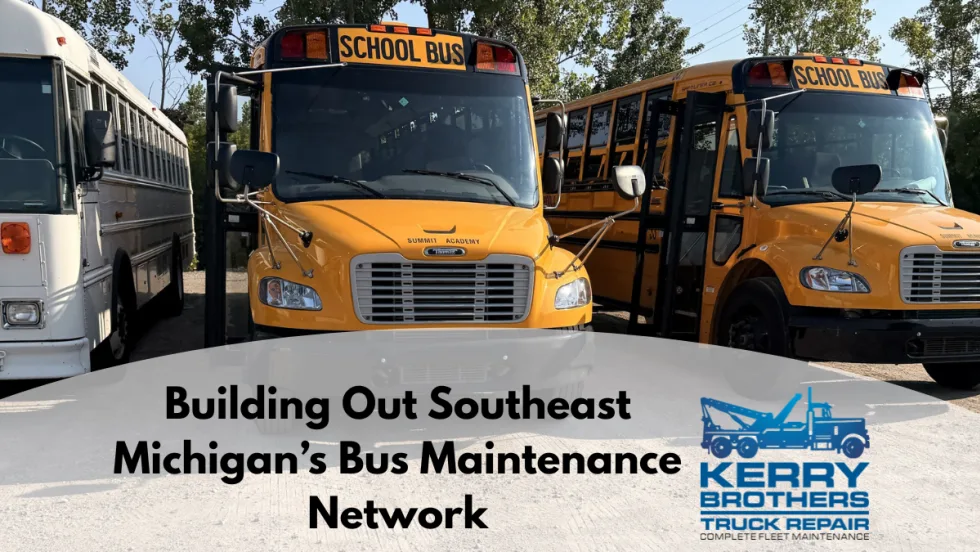
Kerry Brothers Grows Michigan School Bus Repair Network
The acquisition of Downriver Truck and Bus expands Kerry Brothers’ school bus maintenance footprint across southeast Michigan, adding repair capacity, diagnostic resources, and state inspection support.
Read More →
Noregon Introduces CAN Bus Diagnostic Tool, Expands JPRO Features
CAN Mentor and the latest JPRO update aim to simplify vehicle network diagnostics and improve repair efficiency for technicians of all experience levels.
Read More →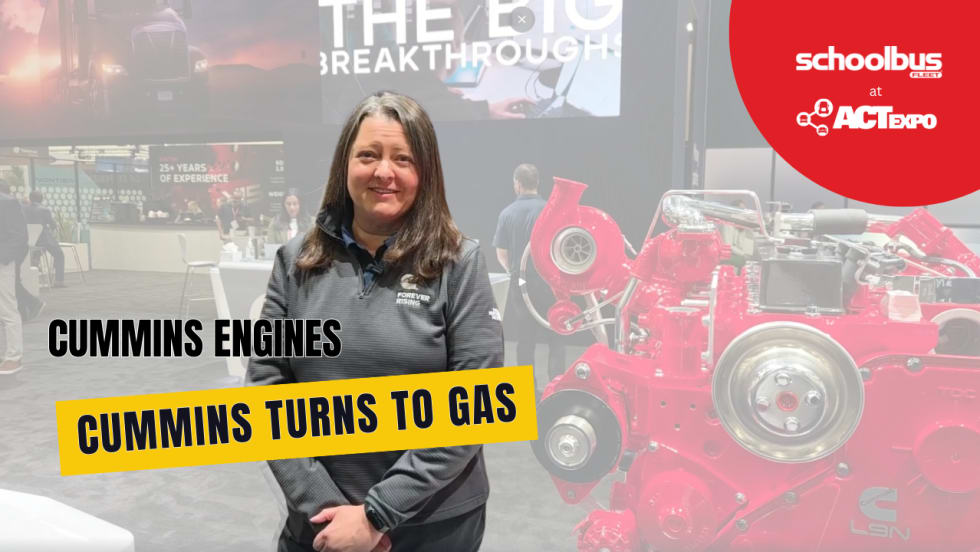
Cummins on Smarter, Simpler Engine Innovation
Cummins discusses its first-ever gasoline engine for school buses, EPA 2027, and why bus fleets still want durable, simpler internal combustion options.
Read More →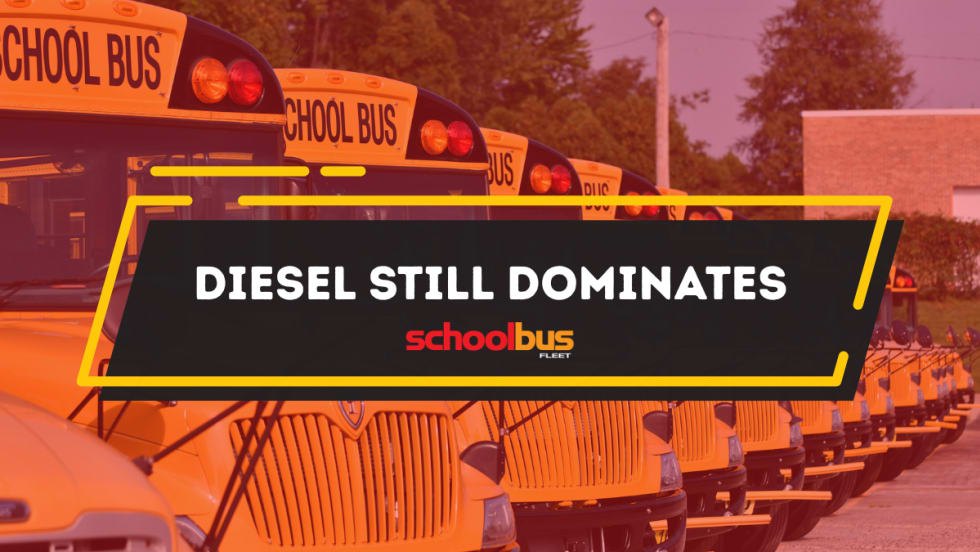
Report: 72% of Diesel School Buses Now Use Advanced Low-Emission Engines
New data shows advanced low-emission diesel technology continues expanding across school bus fleets, even as electric bus adoption gains momentum.
Read More →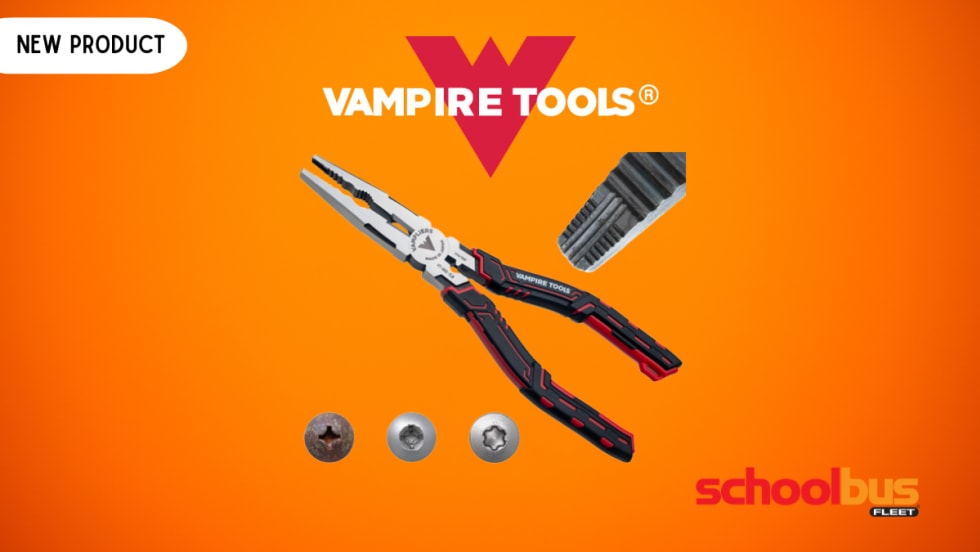
Vampire Tools' CAIMAN 7.5-Inch Multi-Purpose Screw Extractor Long-Nose Pliers with Crimper
Vampire Tools introduced the VAMPLIERS Caiman 7.5-inch multi-purpose pliers, combining screw extraction, cutting, crimping, and gripping functions into a single tool designed for fleet maintenance professionals.
Read More →
How Advanced Diagnostics Helps Bus Fleets Stay Ahead of Repairs
Chat with Noregon’s Kevin Smallhorn at ACT Expo about bus diagnostic tools, telematics integration, CNG maintenance support, and strategies to help reduce downtime and improve uptime.
Read More →
How School Bus Fleets are Getting Ahead of Breakdowns
Don’t let bus downtime wear you down. Here’s how bus operators are shifting from manual processes to AI-powered, data-driven maintenance systems for improved reliability and safety.
Read More →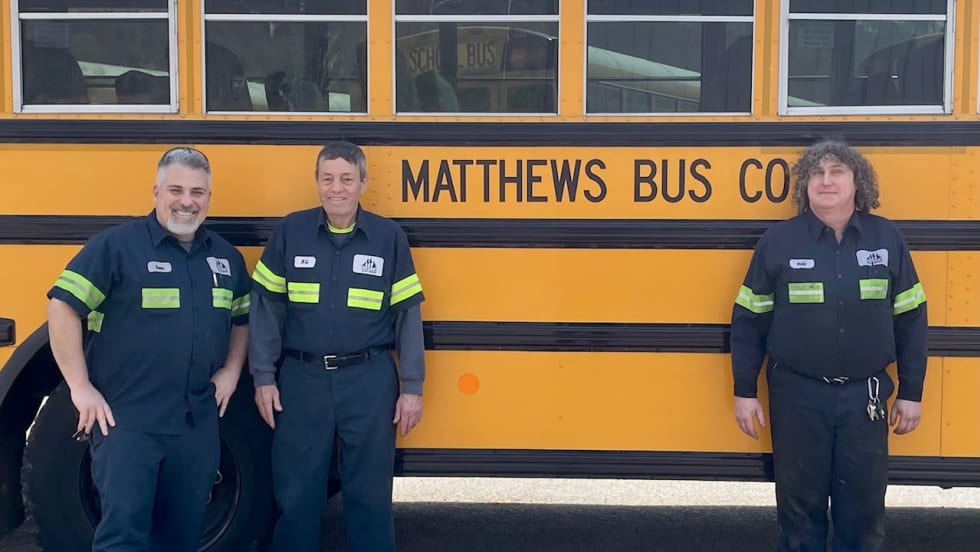
Pennsylvania School Bus Maintenance Team Praised for Dedication to Safety
Matthews Bus Company’s West Jefferson received a letter of commendation from the Pennsylvania State Police for their fleet inspections.
Read More →
From Chaos to Clarity: How School Districts Are Running Leaner Transportation Operations
Covering 38 routes on a Friday afternoon. Buses idling while routes overlap. Parents calling nonstop about late arrivals. Sound familiar? This whitepaper explores how district transportation leaders solved these exact problems — and what measurable results followed.
Read More →