





In Practice: Try Cross-Training
8 Resolutions for the New Year
As transportation professionals, let’s make some New Year’s resolutions for 2004 that will help make our jobs easier and our work environment more positive.
December 1, 2003

What are you working toward this year?
Photo: Kenishirotie/Canva
5 min to read
Losing weight, spending more time with family, avoiding sweets, quitting smoking, saving money and getting more sleep are all New Year’s resolutions that people make and, for various reasons, often are unable to keep. As transportation professionals, let’s make some New Year’s resolutions for 2004 that will help make our jobs easier and our work environment more positive. More importantly, let’s make resolutions that we will be able to keep. And keep in mind that a little humor never hurts.
1. Reduce bus damage in the yard
When was the last time you took a stroll to evaluate your garage, yard and parking area? Here's what you should be looking for: The flow of employees and buses into and out of the yard. Peak congestion times. Traffic control, speed limit and low-clearance signs. Striping and sizing of parking lot spaces. You might also maintain a visible presence during morning and afternoon departures and returns. Take this opportunity to watch your drivers perform pre-trip inspections and to see if they observe yard speeds. You would be surprised by the positive effect your presence and interest has.
2. Distribute important news
Thanks to industry magazines, various newsletters and the Internet, school transportation-related news items are often available within minutes of release. The problem is that you and I are often the only people to see them. Many of our drivers do not have convenient access to the Internet, and many who might be interested in these news items might not know where or how to look for this information.
Part of the whole “it can’t happen to me” or “accidents never happen” mindset comes from the fact that drivers don’t get the data. When a school bus-related news flash or alert comes across your desk, get it to your staff. If you suspect that people aren’t reading the items, post them on the inside door of bathroom stalls so they have no choice but to read it during the “mandatory” downtime that most everybody has to take.
3. Defend your budget
Running a safe, up-to-date fleet of buses and providing quality training to drivers costs money. Keep your bosses and school boards informed of changes in laws and regulations that impact your training dollars. Compare the cost of common parts such as mufflers, brake parts and tires at today's rates vs. those of 10 years ago. That could help make your point about increasing costs and the need for additional funding.
Remind everyone who will listen that transportation costs are directly related to the wheels on the bus turning. When the wheels are turning, we are spending dollars on salary, parts and fuel, to name a few items. What that means is that you cannot continue to offer the same level of service if funding is cut. Encourage your bosses to look beyond low bid on buses and equipment. Write specifications that will get you the best possible equipment but at the same time keep it fair and legal. Speak to all of the possible vendors and take digital photos of their products so you can properly recommend or disqualify a product in an educated, professional manner.
4. Cross-train your people
This can be a tough one, especially if you have collective bargaining agreements. Drivers, monitors, mechanics and office personnel should work as a team. They should understand each other’s duties and how they fit into the overall transportation team.
Whenever possible, they should do their jobs accordingly; however, when the going gets tough, the needs of the child must come first. Employees should be able to pitch in and get the job done even if a task isn’t in their job description.
5. Drive a bus
You have worked hard to get where you are. Chances are you drove a bus for many years in all kinds of weather conditions. But when was that? I know that many of us drive on a regular basis due to staff shortages; however, there are some managers who have not driven in a few years. Don’t lose touch. Get behind the wheel. Chat with the kids, see how your routes flow and get a feel for your equipment. This also does wonders for your employee relations, and many of your principals are happy to see you behind the wheel at their buildings.
6. Work with your 6-22s
What’s a 6-22? It’s an employee with six months on the job who acts like he has 22 years of experience. These people can be dangerous without the proper training and guidance. Helping them understand this business is about constantly learning and improving for the benefit of the children.
7. Attend a national conference
Budget pressures have put a damper on the travel of transportation professionals. But attendance of national conferences is well worth the investment because of the quality of speakers and the huge turnout of corporate vendor representatives. Unfortunately, many school districts have set blanket policies against national conference travel for teachers and principals and have lumped in middle-level managers.
8. Get out and speak
Take advantage of every opportunity to go out into the community to talk about the business of pupil transportation. The rules and regulations have changed so fast we have difficulty keeping ourselves abreast, let alone our district parents. Go into the community with a new bus and a PowerPoint presentation and spread the word about what you do. You might even pick up a new driver or two in the bargain.
Best wishes in the new year!
Subscribe to Our Newsletter
More Management

How to Build a Better Driver Training Program
Ready to boost up your school bus instructor training? Here’s how to pick the right talent and improve recruitment, retention, and safety.
Read More →
CALSTART and Forth Combine to Form Catalyst Mobility
The new name represents a renewed vision for the nonprofit focused on advancing clean, equitable, and affordable transportation solutions that move people and goods.
Read More →
What Makes a Great School Bus Driver Trainer?
Choosing the right school bus driver trainer takes more than experience. Learn six keys to selecting and developing trainers and evaluating program effectiveness.
Read More →


School Bus Contractors Expand Through New Deals, Acquisitions & Partnerships
STA's Canadian division acquires Ontario-based G&L Stevenson Transport while Durham School Services adds a new district contract in California, First Student adds a New Jersey contract, and Minnesota Coaches acquires Halo Transportation.
Read More →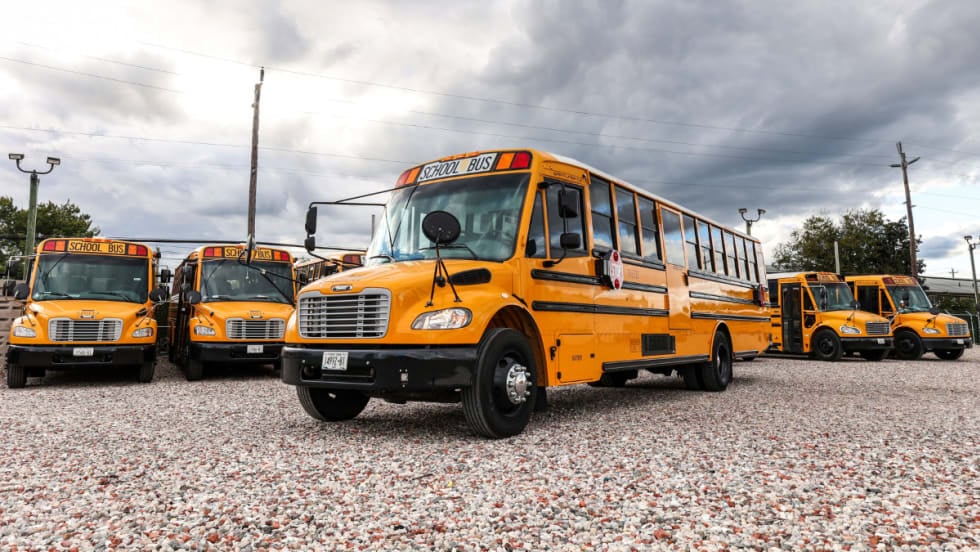
Logan Bus Company Rolls Out AI Phone System for NYC School Bus Families
A summer pilot found that AI agents could handle most routine calls, freeing up time for customer service staff to focus on emergencies and complex family concerns.
Read More →
From Intent to Impact: What I Learned About Leadership from TAPT
A Texas transportation supervisor shares lessons on self-awareness, accountability, managing stress and building trust — and why investing in leadership development matters at every stage of your career.
Read More →
NAPT Names 2026 Award Recipients, Hall of Fame Inductee
Who earned national recognition for their work in student transportation? This year, NAPT named five recipients of its 2026 awards for service, safety, and leadership, plus its newest Hall of Famer.
Read More →
Sponsored•September 2, 2026
2026 State of Student Transportation Report
Driver shortages. Rising costs. Growing safety expectations. More data, but not enough time to act on it. The 2026 State of Student Transportation Report reveals what transportation leaders say is putting the most pressure on their operations—and where they’re investing next. See how your priorities compare.
Read More →
How to De-Escalate an Angry Person: 5 Steps for Handling Workplace Conflict
What makes emotions run high, and how should you handle an angry colleague or parent? Follow these steps for staying calm, listening, showing empathy, and resolving conflict.
Read More →
Sponsored•September 1, 2026
What Readiness Looks Like This School Year
Learn about the challenges shaping the 2026–2027 school year, from persistent driver shortages and budget pressure to technology and readiness gaps. See how school districts are responding and adapting in Zonar’s 2026 Back-to-School Readiness Report.
Read More →