




5 Questions: Todd Monteferrario on Transportation Policies, Autonomous Vehicles
The National School Transportation Association president discusses the new administration in Washington, the shortage of school bus drivers, and the potential impact of autonomous technology.



Todd Monteferrario is president of the National School Transportation Association.
In this new series, we pose five pertinent questions to a notable person in pupil transportation. Our discussion here is with Todd Monteferrario, president of the National School Transportation Association (NSTA) and senior director of operational excellence for First Student.
1. What have been NSTA’s top priorities in working with the new administration in Washington?
We remain very hopeful that the Trump administration will continue to prioritize regulatory relief, as we are already seeing their initial efforts at repealing many of the Obama administration’s priorities. Some of our priorities include:
• Rescinding the Advance Notice of Proposed Rulemaking on obstructive sleep apnea;
• Removing CSA [Compliance, Safety, Accountability] scores from public view until all CSA reforms directed in the FAST Act are completed;
• Rescinding the Notice of Proposed Rulemaking on safety fitness determination; and
• Working with the National Highway Traffic Safety Administration to create a public awareness campaign to address illegal passing of stopped school buses.
2. What do you see as some other key issues for school transportation in 2017?
Driver shortages remain a challenge for many transportation providers. When looking at the labor market, one should consider more than the unemployment rate. For example, according to the Federal Reserve Economic Data, the percentage of the population not in the workforce has grown from 32.98% to 37.33% over the past 20 years. We all know the baby boomers are retiring, but the end result of this is that people have simply left the workforce not to be replaced. As the pool of applicants decreases, recruiting efforts become more intense as employers compete for those eligible workers.
The other top issue facing us is seat belts. The question is not whether putting lap-shoulder belts (three-point belts) in school buses is worth the price tag; the question is whether spending the money equipping school buses with seat belts will provide the biggest safety net benefit for all students. Other considerations besides cost must include proper seat belt usage, enforcement, liability (student, parent, school district, bus driver, and contractor), and the option by any district to increase its walk zone and reduce school transportation services to afford the additional expense involved. It is clear that this must be a local decision so that all of these important elements are considered in the decision-making process.
3. Autonomous vehicles have been attracting a lot of attention lately. Do you expect this to have an impact on school buses anytime soon?
To me, autonomous vehicles (AVs) fall into two thought streams: the ability to use AV technology in the school bus (likely not happening soon due to the scale of our industry), and the ability for AVs to recognize school buses. This includes everything from how AVs correctly identify school buses, to how AVs should behave when encountering a school bus in the loading/unloading process, to how AVs should behave while on school property or in school zones. Regardless of whether the technology is ever deployed on a school bus, it has the potential to bring great benefit to our industry, including more efficient mapping databases to aid in routing, reduced collisions, improved emissions, and the reduction in fuel consumption.
4. NSTA will be hosting the School Bus Driver International Safety Competition in Indianapolis this summer. Based on what you’ve seen, what are the benefits for drivers who participate?
We look forward to this event every year. It gives professional school bus drivers the opportunity to showcase their skills to the entire industry as well as share their passion and love of safety. We know the dedication each competitor puts into driving safely every day, competing at the state level, winning, traveling to the Safety Competition, and competing. This competition gives them the opportunity to be recognized for their hard work. This is an exciting journey for every competitor.
5. What do you like most about working in school transportation?
I love being in this industry because it offers the amazing opportunity to work with professional, dedicated, hardworking transportation leaders who care about our collective goal — transporting students safely. We have all dedicated our careers to helping the young people of our communities have access to education at school. Our work is truly an investment in the future generations.
More Safety
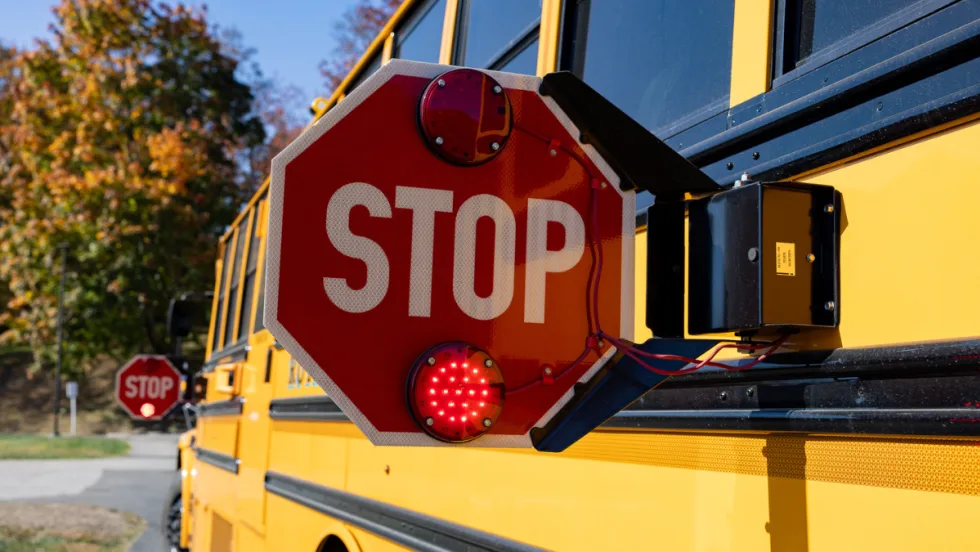
Illegal School Bus Passing Drops 24% in New York Districts
With fewer than 5% of citations involving repeat offenders, Westchester County officials said enforcement, education, and community partnerships are helping change driver behavior.
Read More →
School's Back. Here's What Happened to Traffic, Speeding & Distraction
What happens to traffic when school resumes? New data analysis examines changes in distracted driving, congestion, and speeding around schools.
Read More →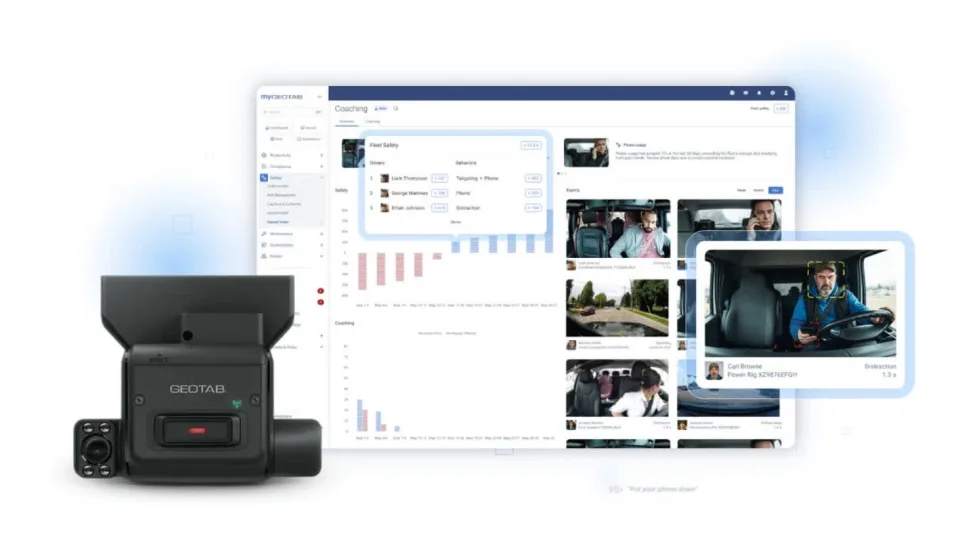
Geotab Expands Fleet Safety Tools With Video Coaching, Risk Insights
New safety and video capabilities aim to help fleet managers assess risk, support drivers, and take targeted action through video coaching, red-light violation detection, and more.
Read More →

How to Build a Better School Bus Driver Training Program
Is it time to strengthen your driver training? Here’s how to pick the right talent and improve recruitment, retention, and safety. This video is brought to you by IC Bus.
Read More →
Recent School Bus Accidents Leave 2 Dead, 2 Injured
Four school bus crashes in Florida, Illinois, and Georgia highlight risks in transportation lots, at bus stops, and during student loading and unloading.
Read More →
When Every Second Matters, Clarity Keeps Routes Moving
From routine delays to urgent incidents, strong communication practices help drivers, dispatchers, schools, and families respond with confidence.
Read More →
What Happens When a School Bus Catches Fire — and What Can Help
School bus fires are rare but can be devastating. Learn how advances in fire suppression and asset protection help fleets detect fires earlier, reduce damage, and improve safety.
Read More →
Geotab Launches Tool to Help Fleets Investigate Road Incidents
Geotab Investigations combines telematics data, video, documents, and other evidence to help fleets reconstruct incidents, resolve claims, and determine what happened.
Read More →
Texas Sixth Grader Wins 2026 National School Bus Safety Poster Contest
Sai Darshana Yekolu of Moseley Middle School in Prosper, Texas, was named the newest winner for her artwork, bringing the theme of “Safe Rides, Everyday Heroes” to life.
Read More →
Doing More With Less: How Transportation Directors Can Prioritize Safety Amid Budget Uncertainty
With diesel prices soaring and nearly one-third of transportation directors expecting budget cuts, maintaining student safety has never been more challenging. Download this guide to learn how leading districts are prioritizing risk, funding critical safety technology, and building stronger budget cases with data.
Read More →