





Don't Miss: 2023 Special-Needs Survey: Bus Production Lead Times, Lack of Aides Among Several Pain Points
3 ChatGPT Prompts for Special-Needs Transportation Providers
Can chatbots like ChatGPT give an AI boost to enhance special-needs transportation by helping to create inclusive environments and supporting sensory sensitivities? What can this resource do for drivers and aides in your operation?
July 26, 2023
What can AI do to help make the school bus more inclusive and comfortable for special-needs passengers?
Image: Canva/ChatGPT
4 min to read
For drivers and aides providing transportation for special-needs students, it turns out that the popular AI chatbot known as ChatGPT may have some helpful tips when it comes to valuable prompts for this aspect of school bus fleet management.
But even the bot knows this much: it shouldn’t – and really can’t – replace professional advice or expertise. States ChatGPT: “Users should always consult relevant authorities, specialists, or professionals for specific concerns or situations related to special-needs transportation.”
That said, ChatGPT can offer some fundamental guidance and give drivers and aides somewhere to start. We asked for three specific prompts that could prove useful. Here’s what the AI returned in response.
Creating Inclusive Environments on the School Bus
Prompt: As a special-needs transportation driver, how can I create a safe and inclusive environment for the passengers I serve?
Ensure proper training: Familiarize yourself with the specific needs of each passenger, including any medical conditions, mobility challenges, or communication requirements. Attend training sessions on handling emergencies, using specialized equipment, and providing first aid if necessary.
Maintain clear communication: Establish effective communication channels with the passengers, their families, and any caregivers or aides accompanying them. Prioritize active listening to understand their needs, preferences, and concerns. Use appropriate communication tools or techniques based on their individual abilities, such as visual aids, sign language, or alternative communication devices.
Adapt the vehicle: Make necessary modifications to the vehicle to accommodate the unique needs of the passengers. This may include installing ramps or lifts for wheelchair accessibility, securing safety restraints or harnesses, or adjusting seating arrangements for comfort and accessibility.
Be patient and compassionate: Understand that each passenger may require different levels of assistance and may exhibit varying behaviors or reactions. Practice patience, empathy, and respect to create a supportive and calm environment. Adapt your approach based on their individual needs, providing reassurance and support as needed.
Regularly assess and update safety protocols: Stay up-to-date with safety regulations and best practices for special-needs transportation. Regularly inspect and maintain the vehicle, ensuring proper functionality of all safety equipment. Develop and practice emergency response plans to handle various scenarios effectively.
Strategies for Passenger Sensory Sensitivities
Prompt: What strategies can special-needs transportation aides employ to support passengers with sensory sensitivities?
Prepare a sensory-friendly environment: Minimize potential sensory triggers by reducing excessive noise, bright lights, or strong smells in the vehicle. Consider providing options such as noise-canceling headphones, sunglasses, or soft blankets to help passengers regulate their sensory experiences.
Establish a visual schedule: Create a visual schedule or timeline that outlines the journey, including pick-up times, stops, and anticipated duration. Use clear and concise visuals or symbols that the passengers can easily understand, helping them feel more in control and reducing anxiety.
Offer calming techniques: Learn and employ calming techniques, such as deep breathing exercises or sensory-based activities like fidget toys, weighted blankets, or stress balls. These tools can help passengers self-regulate and manage their anxiety or sensory overload during transportation.
Foster a supportive rapport: Develop a positive relationship with the passengers by showing understanding, patience, and empathy. Encourage open communication, allowing them to express their needs or concerns. Create a safe space where they feel comfortable asking for support or sharing their experiences.
Collaborate with caregivers and families: Communicate with caregivers or family members to gain insights into the specific sensory sensitivities of the passengers. Discuss strategies that have proven effective in supporting their needs and incorporate these strategies into the transportation routine.
Effective Communication with Non-Verbal Passengers
Prompt: What measures can special-needs transportation drivers and aides take to ensure effective communication with non-verbal passengers?
Learn alternative communication methods: Familiarize yourself with alternative communication methods such as sign language, picture exchange systems (PECS), or augmentative and alternative communication (AAC) devices. This knowledge will enable you to understand and respond to non-verbal passengers effectively.
Observe and interpret non-verbal cues: Pay close attention to non-verbal cues such as facial expressions, body language, and gestures. Attempt to interpret these cues to understand passengers' needs, comfort levels, or any signs of distress.
Encourage the use of communication aids: If a passenger uses communication aids such as AAC devices or picture cards, provide them with easy access and support their use. Take the time to familiarize yourself with these tools, and encourage passengers to express their needs or preferences using these aids.
Establish trust and rapport: Build a trusting relationship with non-verbal passengers by consistently demonstrating patience.
In the world of special-needs transportation, the insights provided by ChatGPT may be a helpful resource. With its extensive knowledge base and language processing capabilities, ChatGPT offers guidance on creating safe and inclusive environments, strategies for supporting sensory sensitivities, and effective communication methods with non-verbal individuals.
While it's important to seek professional advice and expertise, it seems that ChatGPT can provide valuable information and suggestions to enhance the transportation experience for special-needs passengers.
Through ongoing advancements and the collaborative efforts of professionals and AI, the future of special-needs transportation aims to foster greater inclusivity and support for those who rely on these services.
Subscribe to Our Newsletter
More Special Needs Transportation
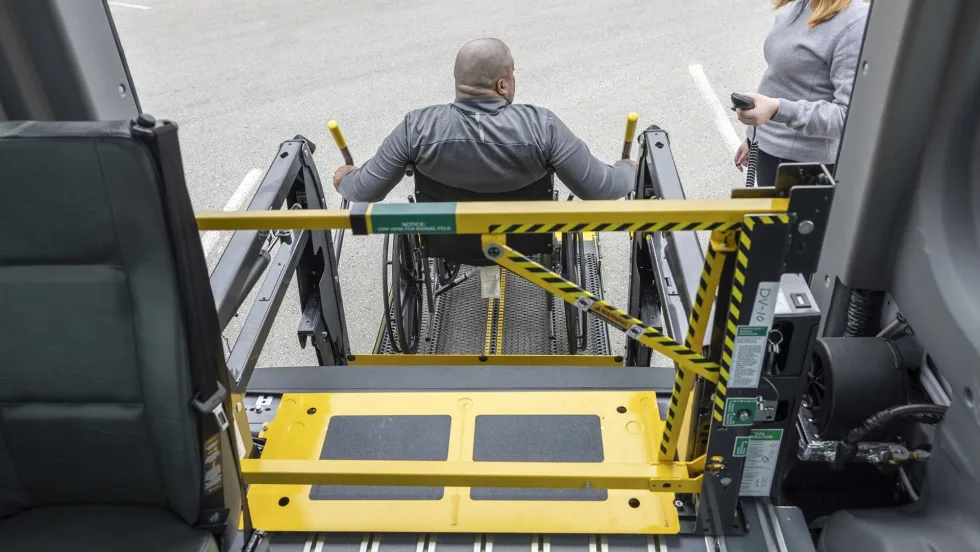
BraunAbility Introduces New Safety Barrier for Wheelchair Lifts
LiftSentinel is designed to add another layer of protection during wheelchair loading and unloading and can be retrofitted to many existing commercial lift installations.
Read More →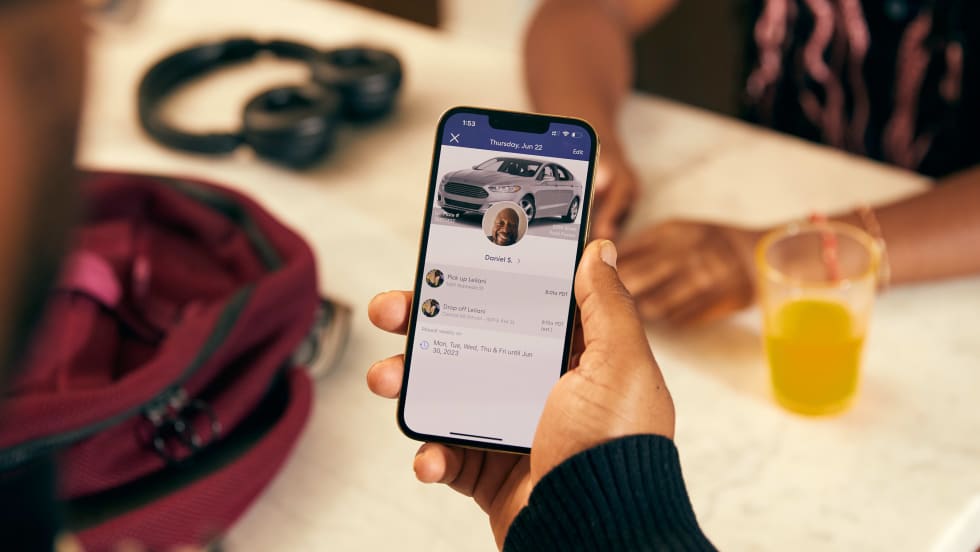
HopSkipDrive Launches New Safety, Driver Consistency Features for 2026-27 School Year
The company’s free ride recording, live ride tracking, and consistent driver assignments aim to improve safety and continuity for diverse student transportation needs.
Read More →
The Most Common Wheelchair Securement Mistakes on School Buses (and How to Fix Them)
Small missteps in wheelchair securement can have serious consequences. Here are 32 tips from experts to reduce risk and increase student safety on the bus.
Read More →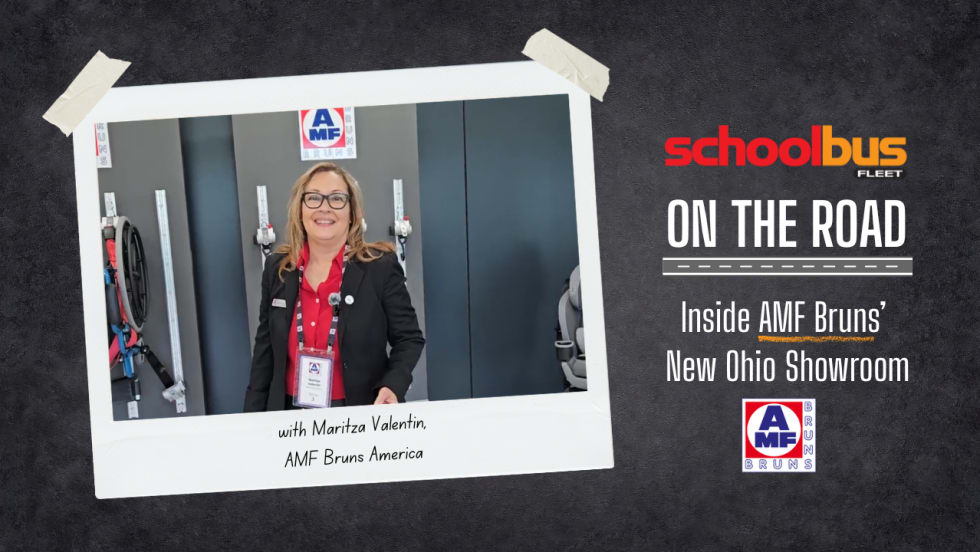
Inside AMF Bruns’ New Showroom: School Bus Securement Solutions Explained
Go inside AMF Bruns America’s new Ohio showroom with Maritza Valentin to see its FutureSafe technology, driver training tools, securement systems, and seating innovations.
Read More →
What AMF Bruns’ New Facility Means for Customers [Video]
Inside AMF Bruns’ new Stow, Ohio, operations: See how expanded space and innovation will enhance customer support and operations.
Read More →
AMF Bruns Expands in Ohio, Investing in Growth and Community
With expanded production space, local investment, and a growing workforce, AMF Bruns is scaling its U.S. presence. Here’s an exclusive first look inside the new Stow, Ohio, HQ.
Read More →
Inside AMF Bruns of America’s New Ohio Manufacturing Facility [Photos]
Take a behind-the-scenes look at AMF Bruns of America’s new 41,000-square-foot Stow, Ohio, headquarters, featuring advanced manufacturing, expanded space, and future-ready mobility solutions.
Read More →
First Student Boosts Student Support in Wichita & Texas
First Student and Wichita Public Schools are using behavioral support strategies to improve student ride experiences, while a separate initiative expands access to after-school programs through a bus donation.
Read More →
2026 Special-Needs Transportation Survey
What’s changing in special-needs transportation? This year, student transportation operators report a rising need, easing driver shortages, growing tech adoption, and evolving challenges. Sponsored by AMF Bruns of America.
Read More →
The Lived-Experience Gap in Mobility Tech: An Expert Take on Safe Student Transportation
Brianna Pauwee, a product application specialist at AMF Bruns of America and a wheelchair user, drops in to The Route to share practical securement and training insights, plus the story behind the new “Beyond Mobility” podcast. The Route is sponsored by IC Bus.
Read More →