




School Buses Against Trafficking: How to Protect Students from Exploitation
2026 Trailblazer: Lexi Higgins of TAT
Higgins, 38, serves as director of industry engagement at TAT (Truckers Against Trafficking), where she equips school transportation professionals with the tools to recognize and report human trafficking.
March 18, 2026
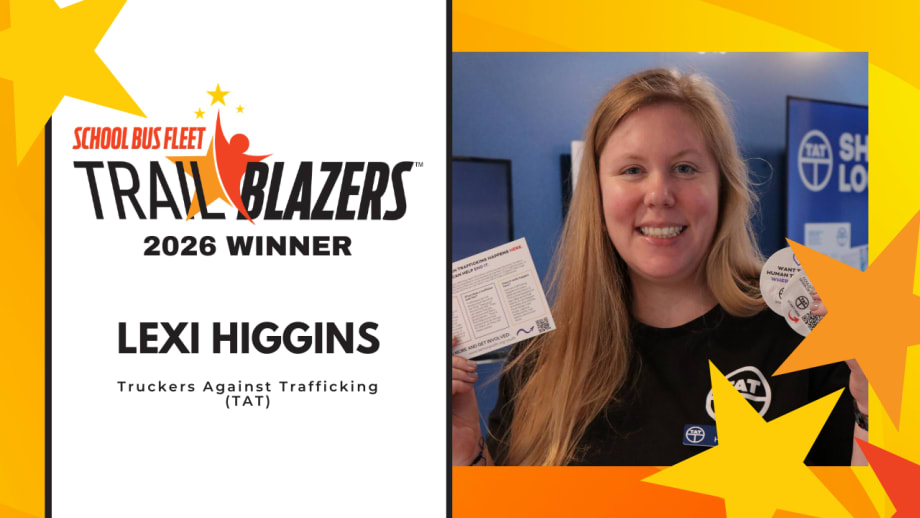
Lexi Higgins uses her passion to help people to expand TAT's reach, equipping transportation professionals with tools that help turn everyday vigilance into a powerful defense against human trafficking.
Credit:
TAT/School Bus Fleet
4 min to read
- Age: 38
- Role: Director of Industry Engagement
- Employer: TAT (Truckers Against Trafficking)
- Location: New York, NY
Lexi Higgins has built a career centered on advocacy and a commitment to protecting vulnerable populations, bringing that mission directly into the student transportation industry through her work with TAT (Truckers Against Trafficking).
Higgins serves as director of industry engagement at TAT, working across North America to engage transportation stakeholders and expand awareness of human trafficking, with a growing focus on the role school transportation professionals can play in recognizing and reporting exploitation.
From an early age, Higgins knew she wanted a career where it felt like she was making a difference, with a particular desire to combat gender-based violence. Over the years, she pursued that ambition through several paths, including serving as a Peace Corps volunteer in Guatemala, interning with the United Nations, and working as a program associate at The Junior League. Through each of those experiences, she began to better understand the issue of human trafficking and “the reality that millions of individuals across the globe are exploited through this form of modern-day slavery each year.”
When Higgins joined TAT in 2019, the nonprofit’s bus industry program was still in its early stages. “I immediately immersed myself in the school transportation world in order to understand all of the ways the industry could play a role in the issue of human trafficking and how TAT could best support school transportation professionals to do just that,” she said.
Since then, she has worked with the industry at the national, state, provincial, and local levels to create and distribute free, industry-specific anti-trafficking tools and resources, helping train thousands of school transportation employees to recognize and report human trafficking.
“To date, over 121,000 members of the school transportation industry have been TAT trained, which includes trainees representing more than 2,700 school districts across North America,” said Annie Sovcik, senior director of programs and strategic initiatives at TAT.
One of the things Higgins values most about her role is the variety. “One of the best parts of my job is that every day is different, which means it’s never boring,” she said.
Her days may include traveling to present at conferences, hosting webinars for school transportation stakeholders, or providing one-on-one consultations with districts and contractors to walk through best practices for implementing human trafficking training. Other days are focused on updating training materials based on industry feedback or collaborating with TAT’s Coalition Build team to plan and host community-level events across North America.
Partnering With School Transportation to Combat Human Trafficking
While her work includes partnering with all facets of passenger transportation, Higgins says the school transportation industry holds a special place in her heart. She is continually inspired by “how deeply its members care for the children they transport each day.” Over the years, she has seen the industry embrace TAT’s mission “as simply one additional way they can keep students safe as they transport them between home and school.”
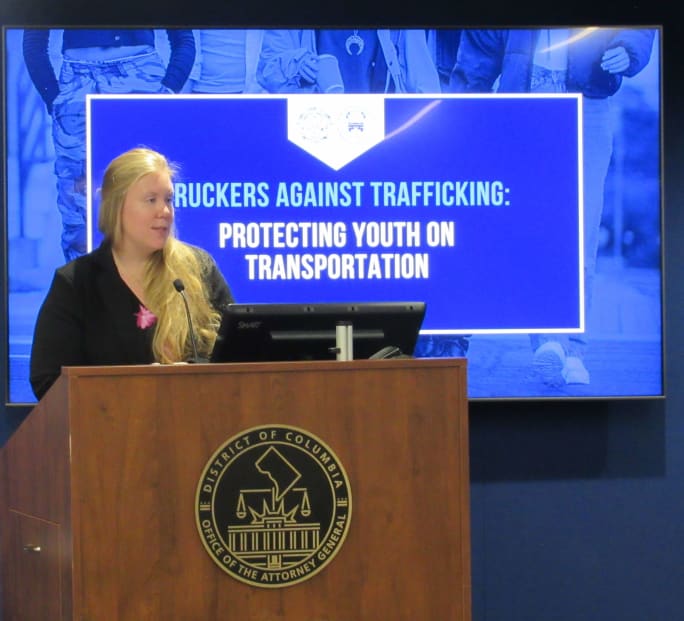
Lexi Higgins speaks at an event in the District of Columbia, highlighting how transportation professionals can help identify and report human trafficking to better protect vulnerable youth.
Credit:
Lexi Higgins
One of the biggest challenges Higgins encounters is addressing misconceptions about what human trafficking looks like. Many people believe it is only an international or big-city issue, separate from schools and school buses. In reality, “child victims of trafficking will often continue attending school — and riding the school bus — while being exploited behind the scenes,” she said. Once those myths are dispelled, she finds it is not difficult to get industry members on board, given their existing commitment to student safety.
Her advice to others working in or entering the industry is straightforward. “Student safety is always top priority within this industry,” Higgins said, noting that when goals align with improving safety, progress follows naturally.
Looking ahead, Higgins hopes to see a school transportation industry where every member has been trained to recognize and report human trafficking. She continues to seek opportunities to raise awareness in partnership with industry stakeholders and hopes to see a school transportation professional recognized with TAT’s Harriet Tubman Award one day.
“I am always happy to connect with industry members interested in learning more about human trafficking and how they can get involved,” Higgins said.
Subscribe to Our Newsletter
More Management
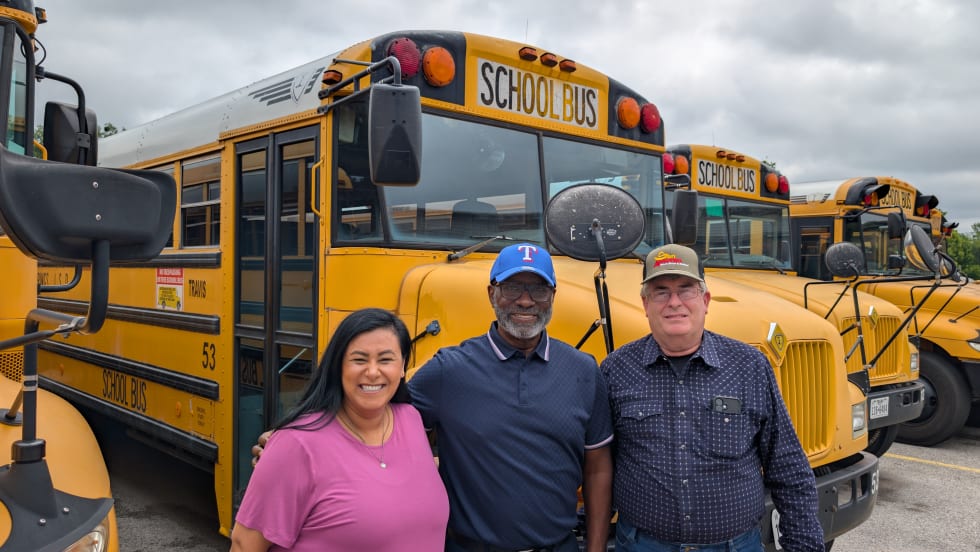
BusRight Honors Texas Driver With Inaugural Behind The Wheel Award
Selected from more than 300 nominations, Lawson Crook earned BusRight’s inaugural award for his dedication to students and safety.
Read More →
Craig Beaver’s Final Stop: Lessons from 43 Years in Transportation
After more than four decades in transportation, retiring Beaverton School District director Craig Beaver reflects on leadership, alternative fuels, AI, staffing, and what’s coming next. The Route is sponsored by IC Bus.
Read More →
What 43 Years in Transportation Taught Craig Beaver About Leadership
After more than four decades in transportation, retiring Beaverton School District admin Craig Beaver reflects on leadership, alternative fuels, AI, staffing, and what’s coming next.
Read More →


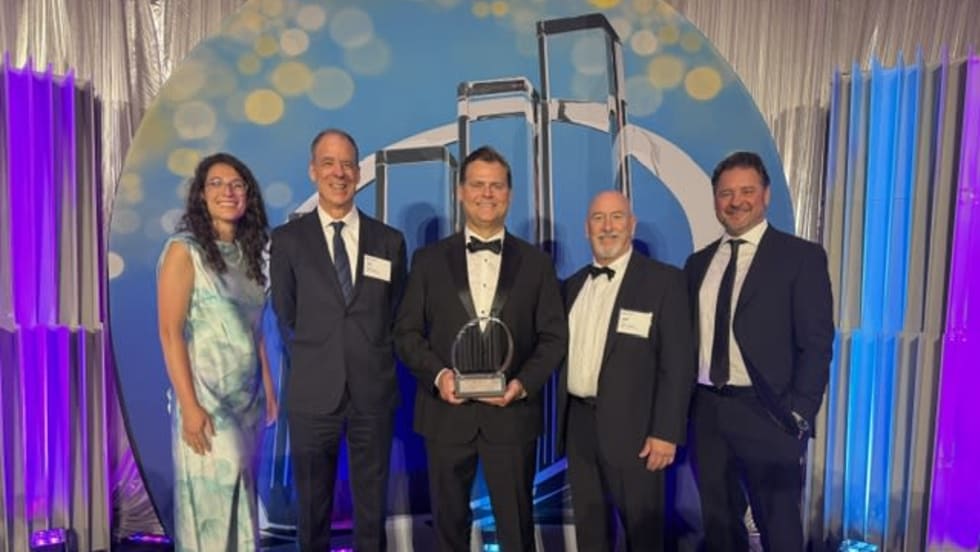
ASTP's Tod Eskra Named an Entrepreneur of the Year
The award from Ernst & Young honors visionary leadership behind one of America's fastest-growing student transportation contracting companies.
Read More →
Drivers and Technicians: Help Benchmark Today's School Bus Manufacturers
If you've spent time behind the wheel or under the hood, we want to hear your perspective on the buses you know best.
Read More →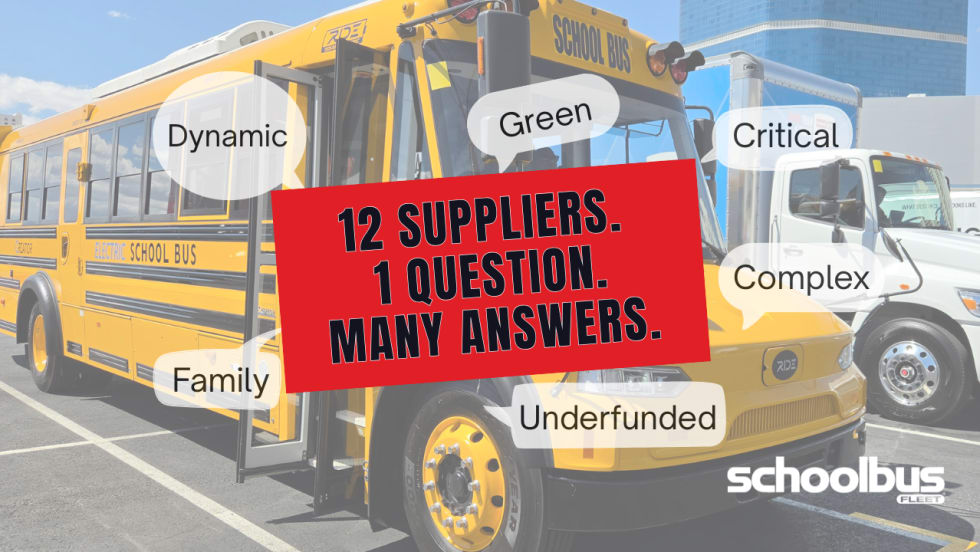
13 Industry Leaders Describe School Transportation in One Word
What word best describes the school bus industry today? We posed that question to over a dozen manufacturers, resulting in a revealing mix of perspectives on the challenges and opportunities ahead.
Read More →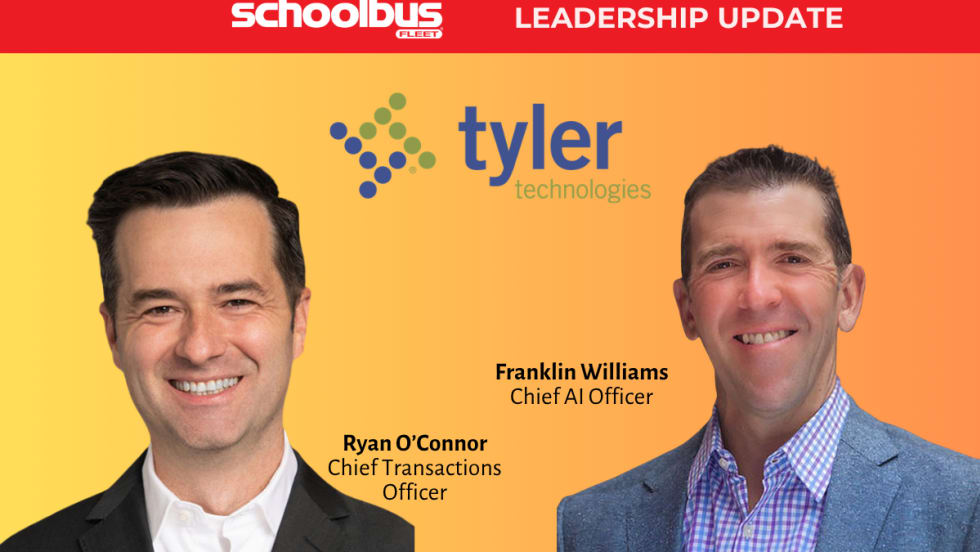
Tyler Technologies Adds New AI, Transactions Leadership Roles
Two company executives are promoted to newly created C-suite positions to accelerate the company's long-term growth in both artificial intelligence and payments.
Read More →
Pro-Vision Acquires Convoy Technologies
The deal aims to broaden customer relationships and adds specialized vehicle video capabilities for commercial fleets.
Read More →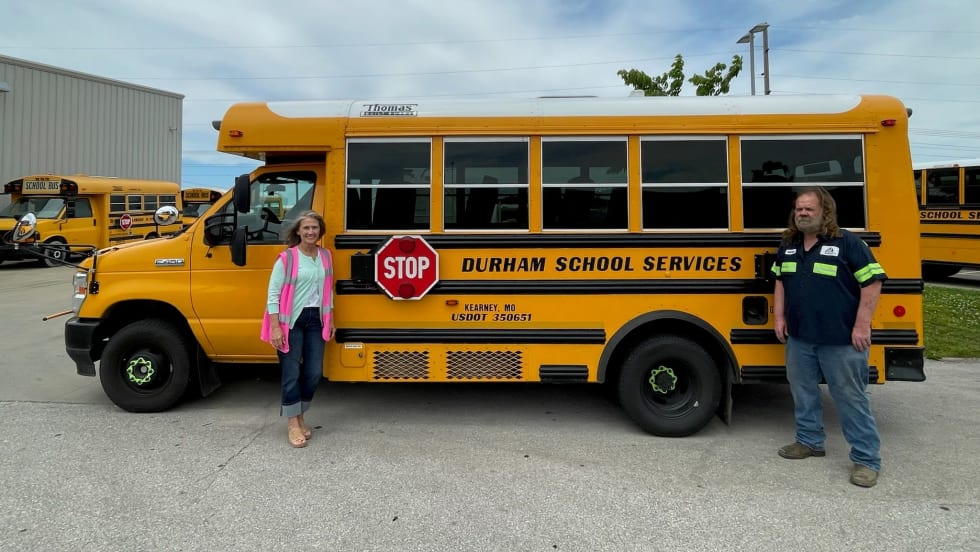
Durham School Services Maintenance Teams Earn Missouri Fleet Excellence Awards
Eight of the contractor’s school bus fleets achieved a distinction few maintenance teams earn during the state’s rigorous annual inspection program.
Read More →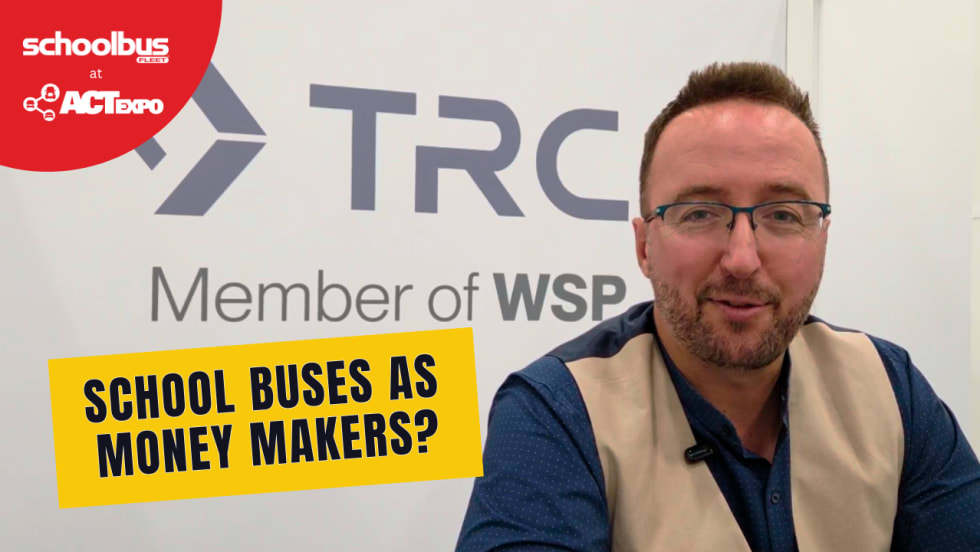
How Incentives, AI, and Energy Markets Are Reshaping School Transportation
Sit down with Joe Annotti of TRC Companies to talk district grant funding, utility challenges, AI, and why school buses are evolving from transportation assets into energy assets.
Read More →