




2011 school bus regulatory highlights
August and September were busy months for federal agencies influencing school buses. Here's a wrap-up of major actions announced or in the works.
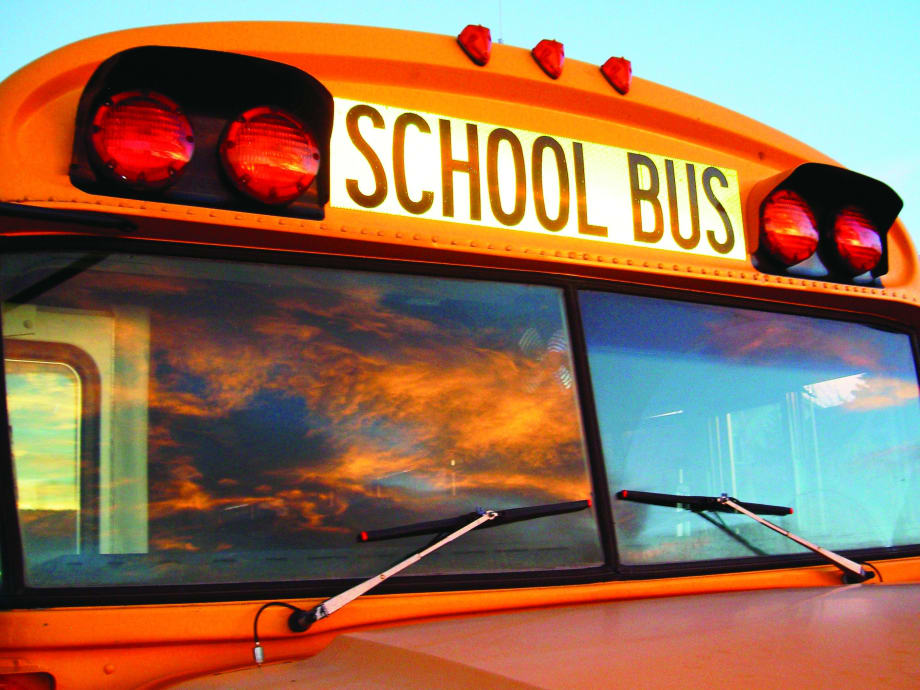
Recent months have seen significant action from federal agencies that affect the school bus industry.
August and September were busy months for federal agencies influencing school buses. Here's a wrap-up of major actions announced or in the works.
New fuel economy rules
The Obama administration set the first-ever fuel economy rules for heavy-duty trucks and buses, requiring a 5-percent improvement each year between 2013 and 2018.
The administration predicts that this will result in up to 4 gallons of fuel saved for every 100 miles traveled, as well as clean air benefits.
Strong statement on safety belts
After many years of public debate and lots of residual questions and confusion within the school bus industry — and among state legislators and concerned parents — the National Highway Traffic Safety Administration (NHTSA) issued what amounts to its strongest statement yet on whether large school buses should be equipped with lap-shoulder safety belts.
The agency's conclusion: "A seat belt mandate would result in very few benefits." And, that a federal requirement to install them "is likely to have the effect of increasing fatalities related to school transportation."
NHTSA again said that state and local officials should decide on whether to add belts to school buses, and that the overall cost of doing so would be in the range of $23 million to $36 million per fatality prevented.
A little history is in order. Recall that NHTSA had a rulemaking back in 2008 dealing with the belt issue in school buses. Before that rulemaking hit the street for public comment, NAPT formally petitioned NHTSA to take decisive action and resolve the matter once and for all with science-based data and testing.
Unfortunately, that didn't happen, and states were left to make decisions about installing safety belts without strong guidance from the federal safety agency responsible for deciding these matters.
So we continued to press NHTSA to perform testing and school bus situational analyses to provide a more conclusive answer not just regarding any benefits, but also to make certain there would be no unexpected side effects that could cause injuries to children riding on school buses. Other groups pressed the agency as well.
The Center for Auto Safety and 21 other groups petitioned NHTSA to require safety belts in school buses. The petition was denied by the agency on the grounds that it would be too costly and buses are "already very safe."
"These vehicles have compiled an excellent safety record," NHTSA said. School buses have a fatality rate six times lower than passenger cars.
In announcing the petition denial, NHTSA said school buses are safe because of their weight, height and "high visibility." The agency estimates that an average of 19 children die each year in school bus-related crashes, including five school bus occupants. Fourteen are killed as pedestrians around school buses.
NHTSA predicted that the cost of adding lap-shoulder belts would be $5,485 to $7,346 per bus and would force operators to reduce bus service, resulting in "more students finding alternative, less safe means of getting to or from school or related events." As a result, the agency predicted 10 to 19 additional fatalities with a federal belt requirement.
NHTSA said state and local officials should "continue to have the discretion" to decide whether or not to install belts and "whether their efforts and monies should be spent on seat belts in large buses, or on measures that could be more effective in improving pupil transportation safety."
Stability control proposal coming
For most of the history of auto safety in the U.S., providing protection after a crash has been the central focus (seat belts, air bags, etc.). Now, thanks to computer technology in automotive applications, there is a strong focus on measures that prevent crashes from occurring in the first place.
For several years, NHTSA has been considering whether to require stability control in heavy vehicles. The agency already requires it in passenger cars and light trucks, estimating that this will reduce single-vehicle crashes in cars by 34 percent and in SUVs by 59 percent.
The agency has yet to detail the estimated benefits in heavy trucks (and school buses) beyond categorizing the pending rulemaking on stability control as having "major benefits." Look for the proposal to be out for comment by the end of this year or early in 2012.
In a nutshell, stability control has been likened to "the hands of God" in that it can automatically prevent many rollovers and other out-of-control situations. It uses computer-controlled braking of individual wheels to assist the driver in maintaining control - the computer brakes the vehicle faster than any human could react. An accident that might have happened just doesn't happen in many situations if the vehicle is equipped with stability control.
In late August, the National Transportation Safety Board (NTSB) gave the heavy truck stability control movement a big tailwind. It recommended to NHTSA that it develop stability control performance standards for all commercial motor vehicles and buses greater than 10,000 pounds, regardless of whether the vehicles have hydraulic or pneumatic brake systems. And, per the recommendation, once the performance standards are developed, stability control should be required in these vehicles.
While NTSB is calling for "stability control" as a generic term, NHTSA is evaluating two kinds of stability control systems for heavy trucks.
Roll Stability Control (RSC) is a more basic system. It helps prevent rollovers and costs less. Electronic Stability Control (ESC) is a more sophisticated approach in that it measures vehicle yaw to help prevent not just rollovers but also other out-of-control situations that might occur.
While ESC is the more expensive option, it has another advantage: the capability to later add on other electronic technologies that may prove to help prevent crashes. There is no add-on capability with the more basic RSC.
When NHTSA publishes its Notice of Proposed Rulemaking on heavy truck stability control, the school bus industry will have the opportunity to review the available systems and offer comments.
NAPT is a leading trade association in an industry with the best safety record in the broader transportation sector. NHTSA will no doubt take our comments seriously.
More Safety
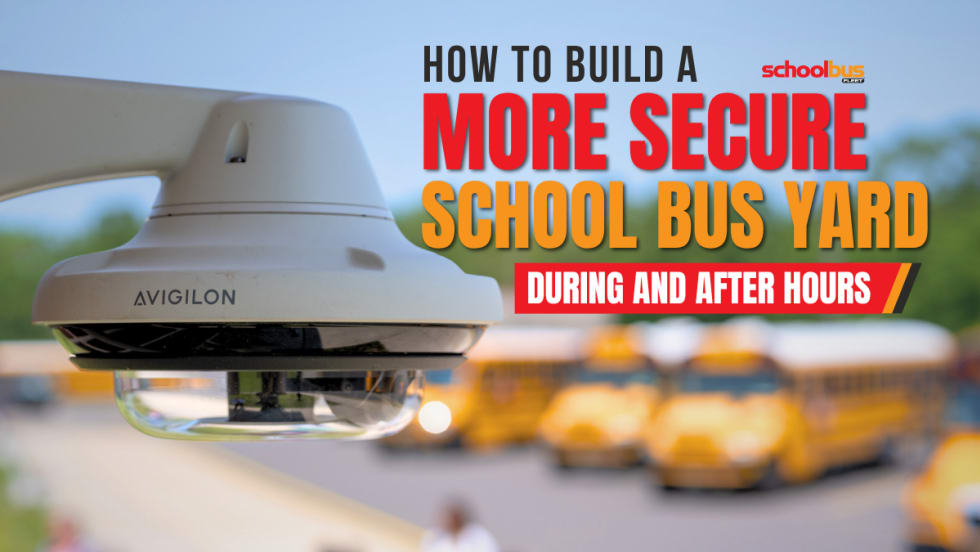
How To Build a More Secure School Bus Yard During and After Hours
As thefts and overnight security threats continue, school transportation leaders are combining stronger operational practices with AI-enabled surveillance to better protect buses, facilities, and staff.
Read More →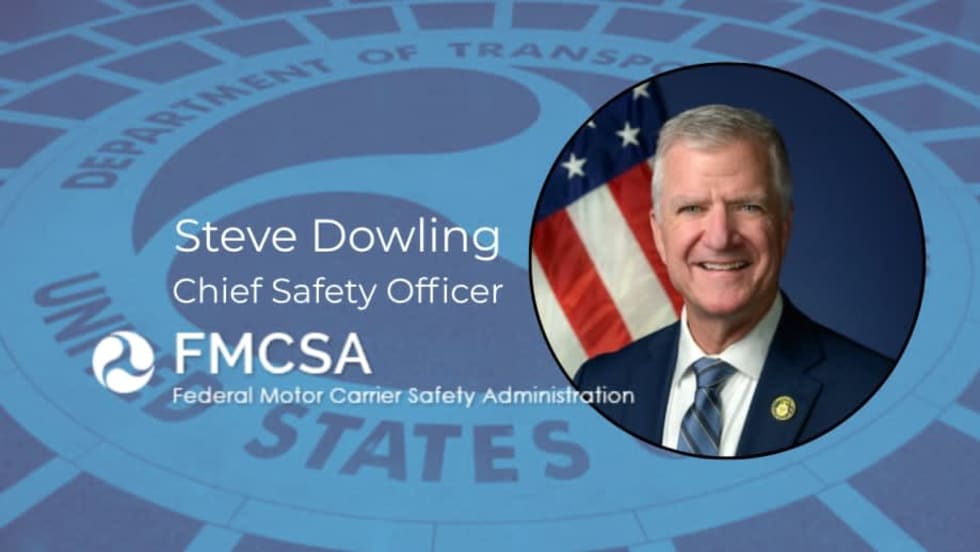
FMCSA Names New Chief Safety Officer: What School Bus Operators Should Know
Steve Dowling is set to lead the federal agency's efforts to advance commercial motor vehicle safety and reduce crashes, fatalities, and injuries on the nation's roadways.
Read More →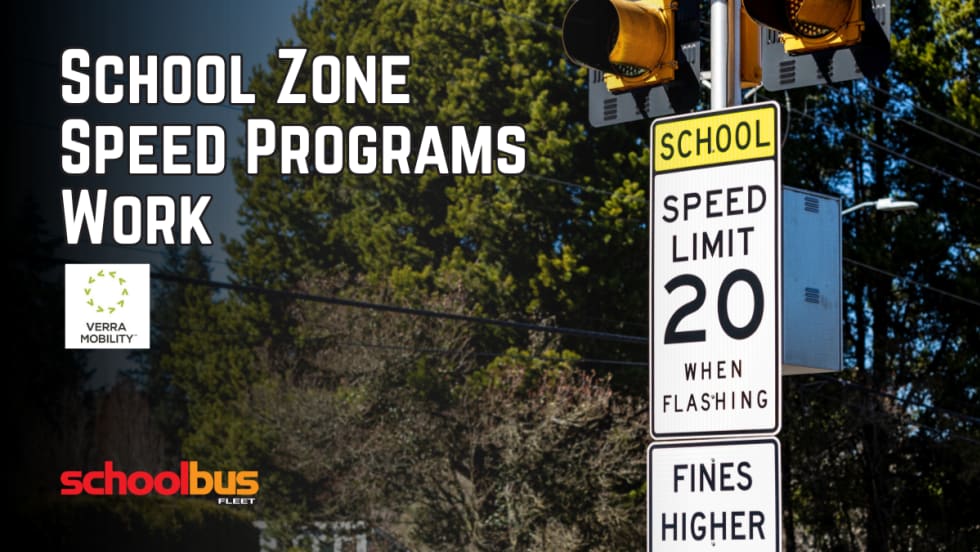
New Study Finds School Zone Speed Safety Cameras Cut Speeding Violations 97%
A Florida university's research demonstrates that Verra Mobility's automated enforcement changes driver behavior and significantly improves school zone safety.
Read More →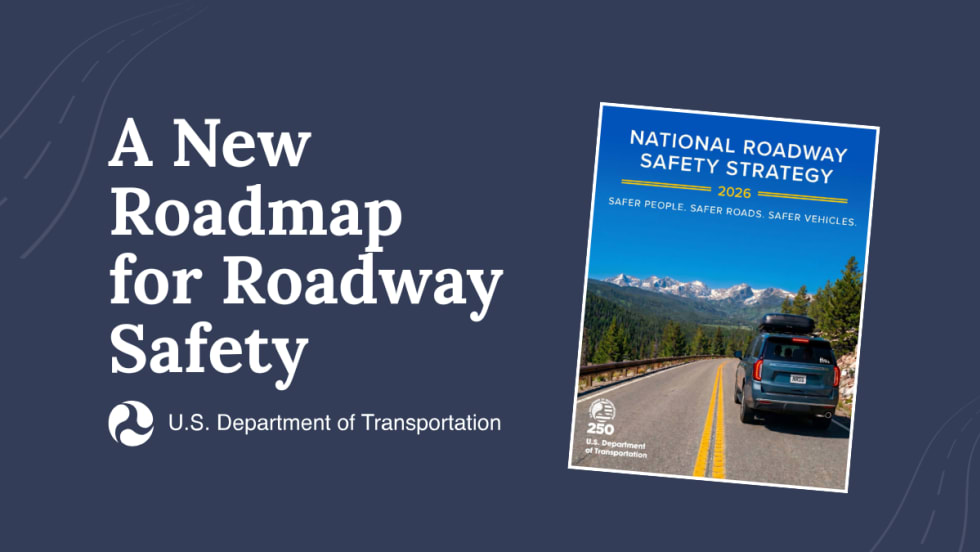
What Changed in DOT’s New National Roadway Safety Strategy?
The federal agency's new plan shifts its focus to safer people, roads and vehicles, with a new three-pronged approach instead of five. One outlined action even addresses a key industry concern around illegal school bus passing.
Read More →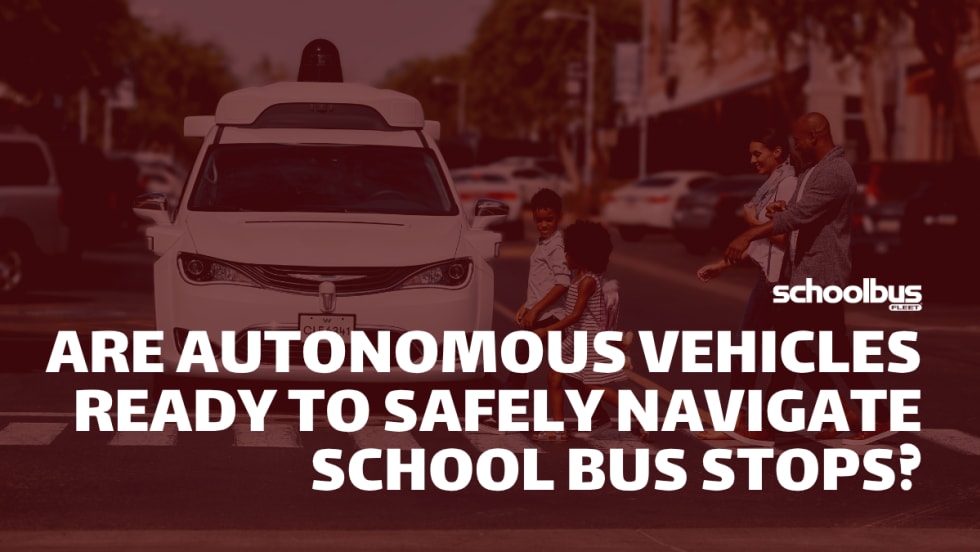
Are Autonomous Vehicles Ready to Safely Navigate School Bus Stops?
NHTSA is accelerating autonomous vehicle deployment through new safety standards and commercial approvals. See why school transportation leaders are watching.
Read More →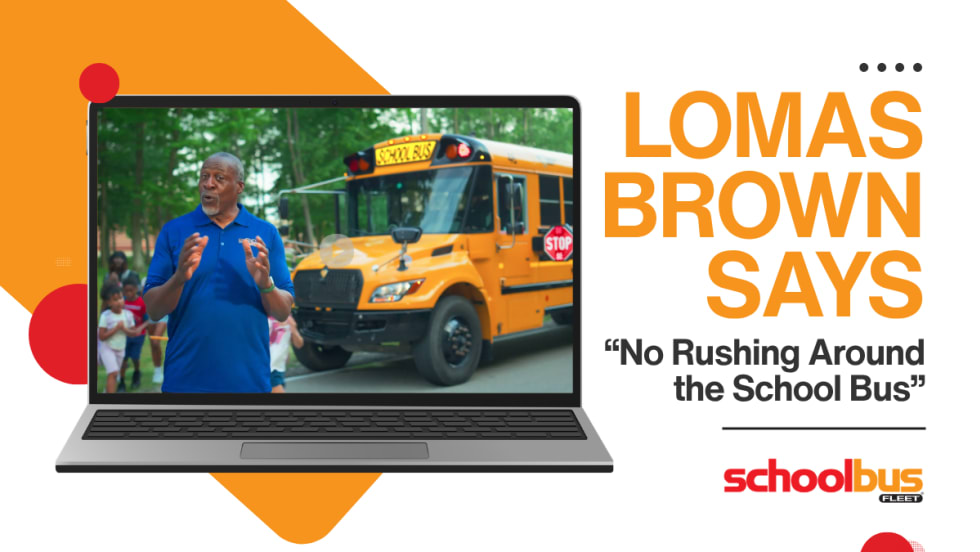
NFL Star Lomas Brown Kicks Off New Illegal School Bus Passing PSA
Just in time for the back-to-school season, the former Detroit Lions offensive tackle took time to record a video encouraging motorists to slow down around school buses.
Read More →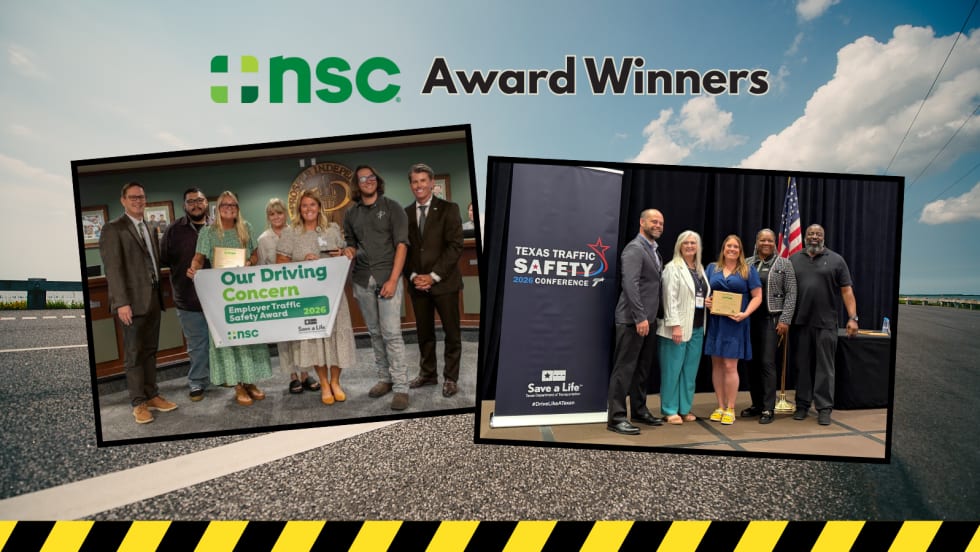
How Two Texas Districts Built Award-Winning Safety Programs
Learn how Prosper ISD and Rockwall ISD earned National Safety Council honors through hands-on training, safety culture, and strategies that reduced transportation incidents.
Read More →
NHTSA Releases 10-Year Review of Fatal School Bus Crashes
The latest federal analysis reinforces the safety of school buses while identifying where school-age pedestrians and other motorists remain most at risk.
Read More →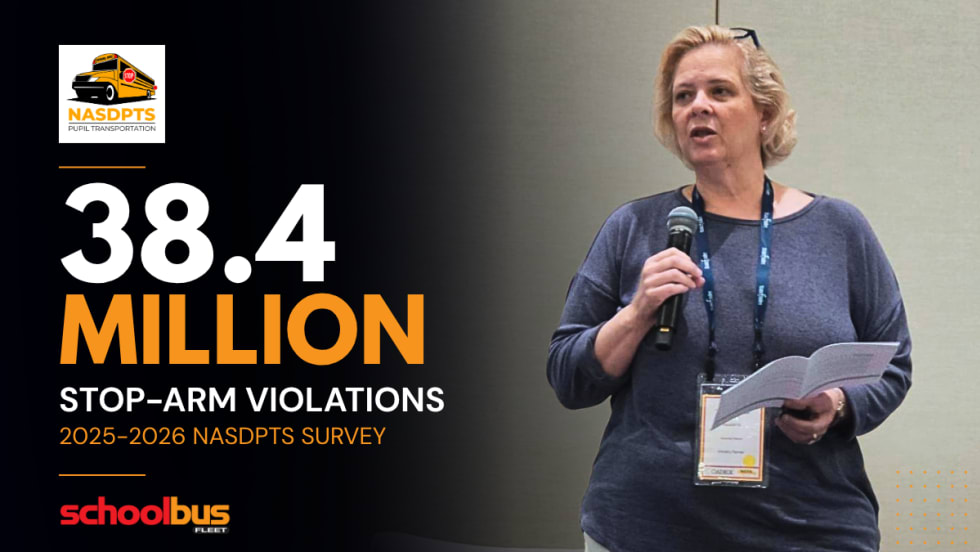
2026 NASDPTS Survey: Data Shows Further Reduction of Illegal Passing
New data is in! School bus stop-arm passings are down to 38.4 million violations per year, about a 2.3% decrease from last school year — but passings on the right side of the bus are higher than ever.
Read More →
Another School Bus Fatality Reported in Monsey, New York
A 7-year-old girl died after being struck by a school bus in Rockland County, New York while crossing the street. Here's what we know.
Read More →