





See Also: How Do We Minimize the New Fire Risks Associated with EVs and HEVs?
LION Buses Return to Service After Fire in Canada
Over a thousand electric buses were sidelined across the country as a Lion-branded school bus caught fire last week.
September 16, 2025
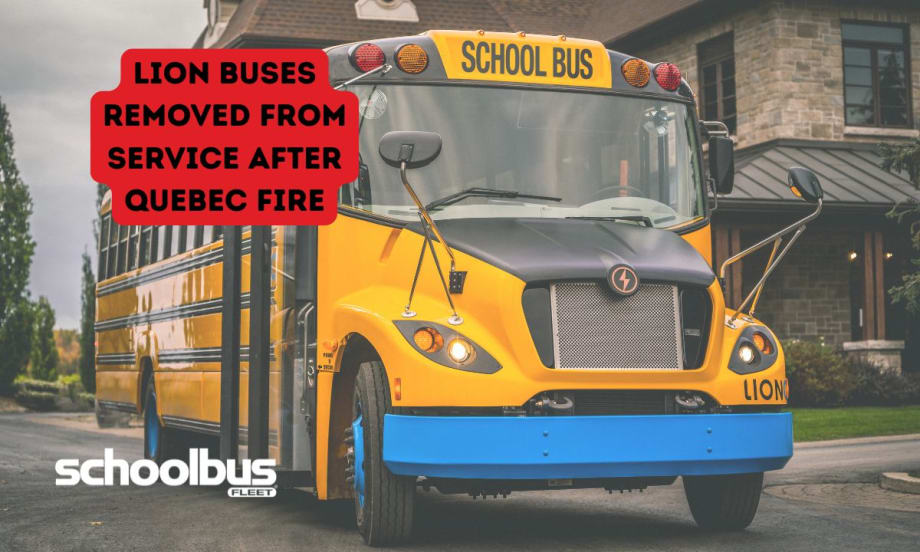
While the investigation continues, early analyses shows that the fire was likely the result of the vehicle's heating system and the battery was not affected.
Photo: Lion Electric/School Bus Fleet
3 min to read
On September 9, 2025, a LION school bus in Montreal, Canada, caught fire while running a route. Five children were on board at the time, but the driver helped them escape, and none were injured.
In response, Quebec's Education Ministry halted the service of all 1,200 LION buses so that inspections could be made, and Transport Canada began an investigation. No LION buses ran on Friday, Sept. 12, and some schools cancelled classes as a result.
Some buses also did not run today, Monday, Sept. 15, out of extra precaution. Prince Edward Island’s Lester B. Pearson School Board officials said parents of students on affected routes with electric buses would have to make alternative arrangements, though its diesel buses continued service as usual.
Today, PEI’s government said that inspections are complete, minor repairs were made, and the vehicles are safe. Transport Canada observed the inspections, "and expressed satisfaction with the results," CBC reported.
London, Ontario, LION buses also will return to service Tuesday after inspections continued through today.
In a statement, LION said: “The technical analysis continues in collaboration with Transport Canada to determine the cause of Tuesday’s incident. LION can confirm, however, that neither the electric battery nor the propulsion system was involved.”
Firefighters said that the blaze was linked to the vehicle’s heating system, the CBC reported. First Student’s inspections concur with this: Of more than 200 buses, they found the defrosting system was the likely problem and disabled it by removing switches.
Transport Canada told the CBC that it's aware of three other fires and one thermal incident involving LionC school buses. In all three, the bus batteries were not the cause, nor were they affected by the flames.
While stories and photos of these EV fires can be shocking, the Canadian Electric School Bus Alliance (CESBA) maintains that claims that electric buses are unsafe are not supported by data or expert analysis. “In fact, there have been fewer than 30 fires involving electric buses worldwide in 15 years,” wrote Valerie Tremblay, sustainable mobility lead with Green Communities Canada, on LinkedIn. “None of these incidents resulted in fatalities, and the majority occurred in depots, which were out of service.”
FireGator, which provides fire suppression systems for school buses, spoke out about the fire on LinkedIn, saying that stories like this are why these systems are essential for school bus safety. In 2017, the NTSB recommended that all school buses feature fire suppression systems.
LION (formerly Lion Electric) has been in troubled waters for months, as the manufacturer faced bankruptcy, faulty buses in Maine, layoffs, closings, and federal investigations for fraud. Once the business was in liquidation, investors stepped in last May. They then announced that they’d remain in operation, focusing exclusively on the Quebec market, and voiding all U.S. warranties.
Stay tuned to School Bus Fleet for more on this developing topic.
More Alternative Fuels

CALSTART and Forth Combine to Form Catalyst Mobility
The new name represents a renewed vision for the nonprofit focused on advancing clean, equitable, and affordable transportation solutions that move people and goods.
Read More →
Alt-Fuel Moves: New Buses, Charging Hubs & Real-World EV Testing
Propane and electric school bus deployments continue to grow as districts add new vehicles, expand charging infrastructure, and gather more real-world operating data.
Read More →
Fewer Electric School Bus Models Reshape the U.S. Market
WRI’s latest buyer’s guide points to a consolidating electric school bus market, but fewer options may reflect a maturing industry rather than fewer meaningful choices for school bus operators.
Read More →
The Fuel Budget You Can Actually Predict: How Propane Autogas Keeps Money in the Classroom
Learn how propane autogas helps school districts manage fuel costs with predictable pricing, lower maintenance, and reduced emissions from former transportation director Joel Stutheit.
Read More →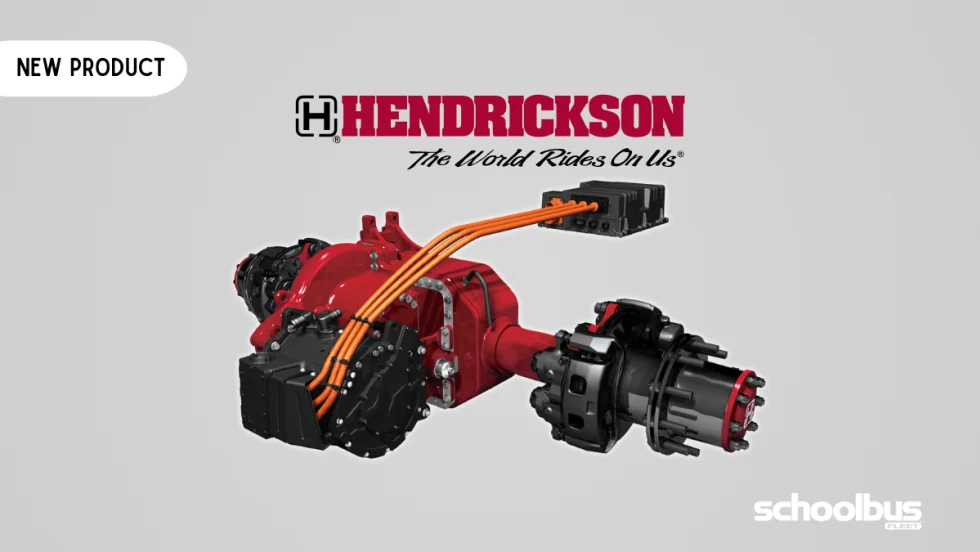
Hendrickson, Driventic Introduce New Electric Powertrain for School Buses
ELECTRAAX, the electrified, lightweight drive axle offers integrated ePowertrain efficiency and modular flexibility for Class 6–7 school bus use.
Read More →
The Mobility House Joins PowerFlex in Fleet Electrification Deal
The acquisition combines intelligent charging software, bidirectional charging expertise, and fleet electrification services to support the growing adoption of electric school buses across North America.
Read More →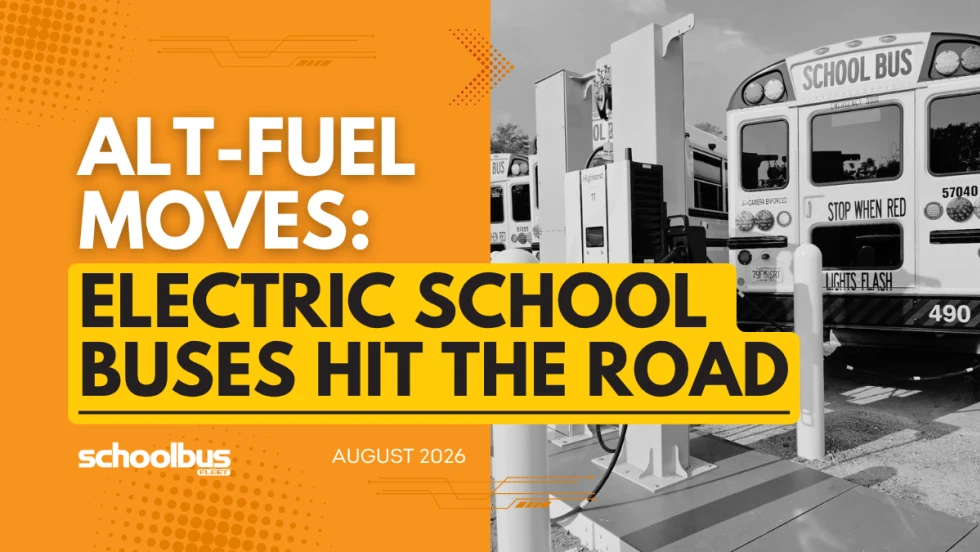
Alt-Fuel Moves: Electric School Bus Investments Hit the Road
See which districts across the U.S. are putting electric school buses into service, expanding charging infrastructure, and planning the next phase of fleet electrification.
Read More →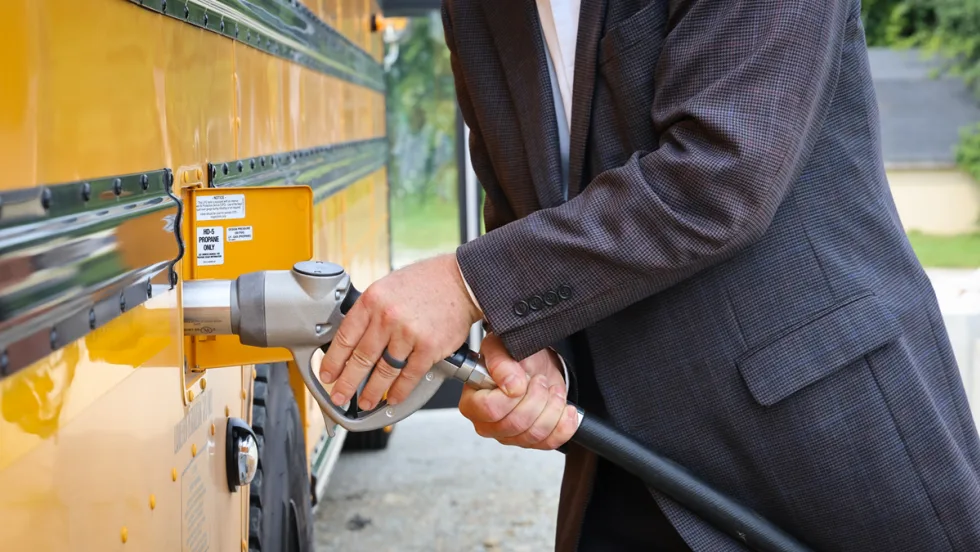
With Fuel Volatility Ahead, School Districts Turn to Propane
While diesel prices peaked above $5 this spring, districts with propane autogas-powered fleets paid under $2 per gallon, according to PERC.
Read More →
EPA Unveils Proposed Changes to 2027 Heavy-Duty Engine Rules
The federal agency has proposed changes to next year’s targets that would eliminate DEF derates, ease warranty requirements, and retain current NOx emissions standards.
Read More →
Alt-Fuel Moves: EV Charging & Infrastructure Projects Gain Momentum
The latest developments include new funding, charging infrastructure, utility investments, and fleet technologies designed to support the transition to electric school buses nationwide.
Read More →