





More from MN: Inside One MN Contractor’s School Bus Driver Appreciation Day [PHOTOS]
Minnesota District Gets $1.2M State Grant for Electric School Buses
Thanks to a Minnesota Department of Commerce Electric School Bus Equipment Grant, three new EV buses will begin service in the 2026–27 school year.
September 12, 2025

The district's transportation director said the buses will be stored in heated garages and equipped with electric heaters to maintain optimal temperatures in Minnesota winters.
Photo: Thomas Built Buses/School Bus Fleet
2 min to read
New electric school buses will soon be headed to Moorhead Area Public Schools (MAPS) .
At its August meeting, the Moorhead School Board approved acceptance of the Minnesota Department of Commerce’s Electric School Bus Equipment Grant, providing $1.2 million to fund three all-electric school buses and the charging infrastructure needed to support them.
A district spokesperson told School Bus Fleet that they intend to pursue three Thomas Built Buses Jouleys.
“Having the ability to expand our fleet with minimal cost to the district made this particular grant very attractive to us,” said Sean Schneider, MAPS director of transportation. “When you add in the savings that each bus will provide in operational and energy expenses, this is a great deal for our district and our taxpayers.”
MAPS is partnering with Highland Electric to handle procurement, charger installation, operations, and monitoring. At a fixed cost of $24,000 per bus per year, it also includes maintenance and disposal management. This partnership ensures that the district incurs no capital outlay for non-grant expenses and provides a fixed, predictable cost of $24,000 per bus per year, fully covered by operational savings.
The grant will cover 90% of the bus costs and 95% of the infrastructure expenses. The three new buses are projected to save the district an estimated $150,000 annually through reduced costs.
Unlike many federal programs, this state-funded initiative allows districts to add new buses without retiring existing diesel vehicles.
MAPS will collaborate with local fire departments and emergency agencies for safety training, and district drivers will receive specialized training in electric vehicle operation.
The buses are expected to launch on three routes beginning in the 2026–27 school year.
While Minnesota winters can affect battery efficiency, MAPS is well-positioned for success, the district said. Indoor storage at its Operations Center garage will protect batteries from extreme cold, ensuring reliable performance. With routes averaging only 50 miles per day — and the buses’ winter range of about 100 miles per charge — it is confident in their effectiveness. Schneider said that the buses will be stored in heated garages and equipped with electric heaters to maintain optimal temperatures.
By leveraging outside funding, MAPS is using a critical strategy as the district faces ongoing budget constraints. This creative approach underscores the importance of the upcoming operating and capital projects levy.
More Alternative Fuels

CALSTART and Forth Combine to Form Catalyst Mobility
The new name represents a renewed vision for the nonprofit focused on advancing clean, equitable, and affordable transportation solutions that move people and goods.
Read More →
Alt-Fuel Moves: New Buses, Charging Hubs & Real-World EV Testing
Propane and electric school bus deployments continue to grow as districts add new vehicles, expand charging infrastructure, and gather more real-world operating data.
Read More →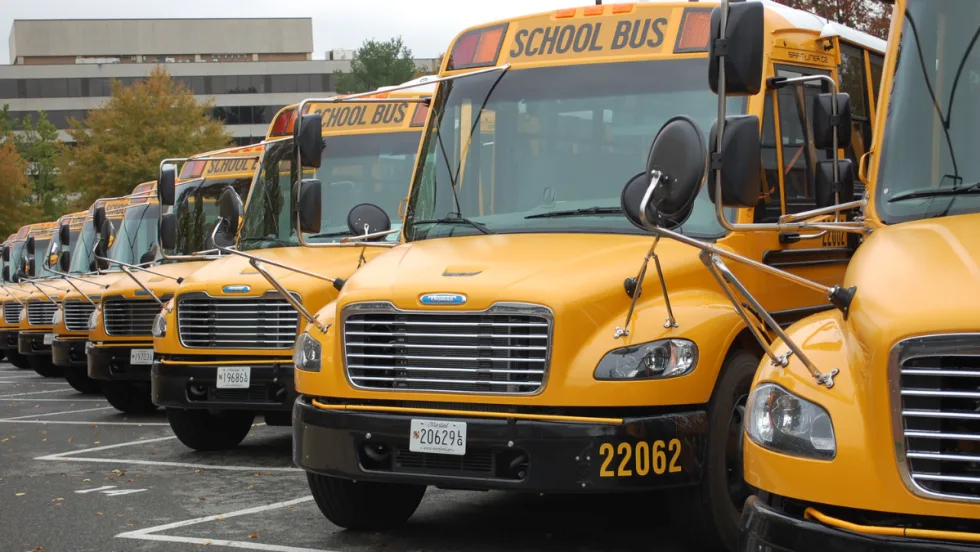
Fewer Electric School Bus Models Reshape the U.S. Market
WRI’s latest buyer’s guide points to a consolidating electric school bus market, but fewer options may reflect a maturing industry rather than fewer meaningful choices for school bus operators.
Read More →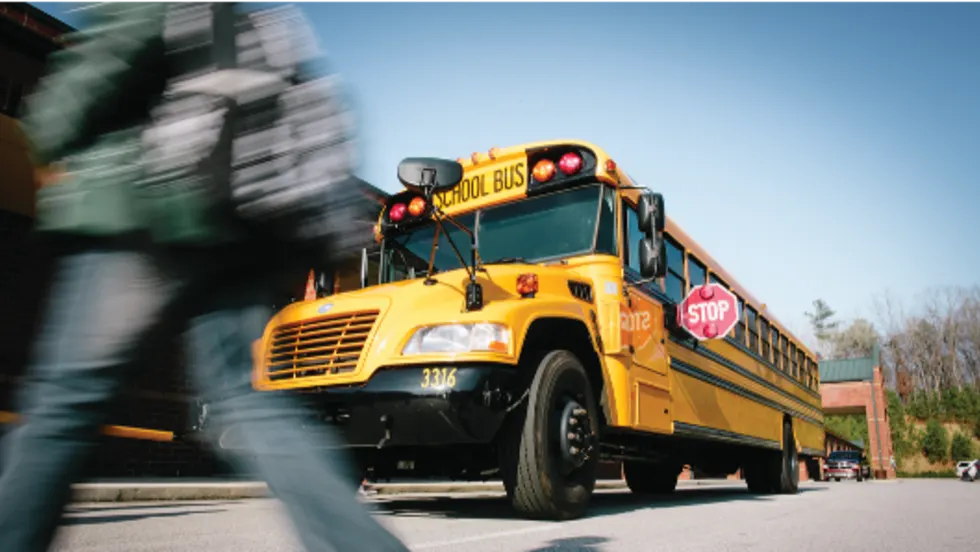
The Fuel Budget You Can Actually Predict: How Propane Autogas Keeps Money in the Classroom
Learn how propane autogas helps school districts manage fuel costs with predictable pricing, lower maintenance, and reduced emissions from former transportation director Joel Stutheit.
Read More →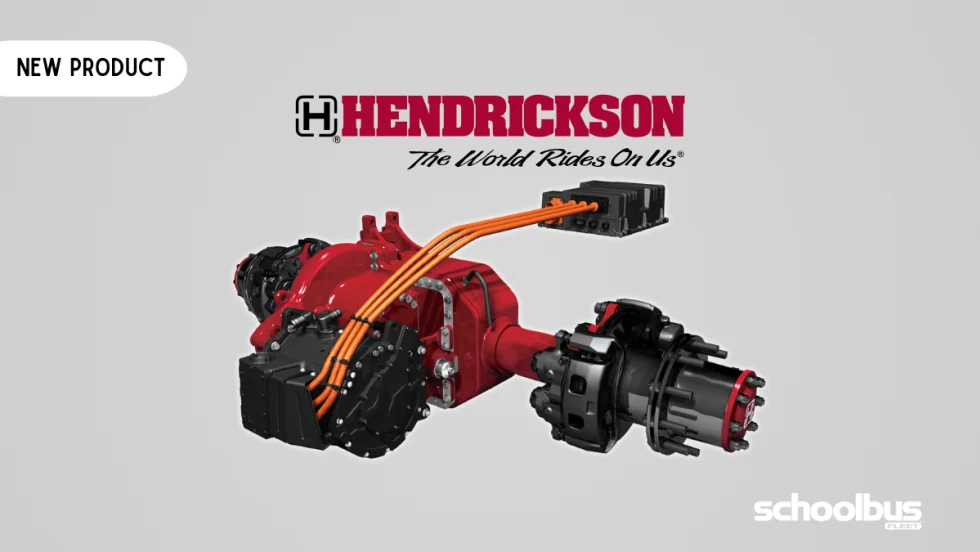
Hendrickson, Driventic Introduce New Electric Powertrain for School Buses
ELECTRAAX, the electrified, lightweight drive axle offers integrated ePowertrain efficiency and modular flexibility for Class 6–7 school bus use.
Read More →
The Mobility House Joins PowerFlex in Fleet Electrification Deal
The acquisition combines intelligent charging software, bidirectional charging expertise, and fleet electrification services to support the growing adoption of electric school buses across North America.
Read More →
Alt-Fuel Moves: Electric School Bus Investments Hit the Road
See which districts across the U.S. are putting electric school buses into service, expanding charging infrastructure, and planning the next phase of fleet electrification.
Read More →
With Fuel Volatility Ahead, School Districts Turn to Propane
While diesel prices peaked above $5 this spring, districts with propane autogas-powered fleets paid under $2 per gallon, according to PERC.
Read More →
EPA Unveils Proposed Changes to 2027 Heavy-Duty Engine Rules
The federal agency has proposed changes to next year’s targets that would eliminate DEF derates, ease warranty requirements, and retain current NOx emissions standards.
Read More →
Alt-Fuel Moves: EV Charging & Infrastructure Projects Gain Momentum
The latest developments include new funding, charging infrastructure, utility investments, and fleet technologies designed to support the transition to electric school buses nationwide.
Read More →