





Catch Up: From Pen to Pixel: The Digital Transformation of School District Field Trips
New AI-Powered System Aims to Enhance Student Safety on School Buses
Safe Fleet launched its AI-driven Stop Arm Violation Enforcement System (SAVES), enhancing school bus safety by accurately capturing stop-arm violations. SAVES uses advanced cameras and data analytics to deter incidents and aid law enforcement, protecting students during boarding and disembarking.
June 27, 2024
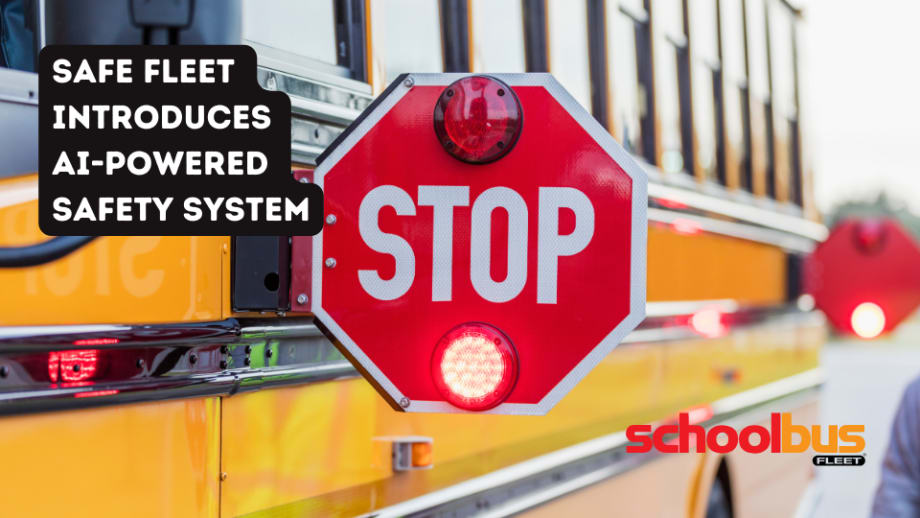
Recent legislation enacted in Florida (and 23 other states) allows for the use of video evidence to enforce stop-arm violations, holding violators accountable and hopefully reducing the number of incidents in the future.
Source: Canva
3 min to read
Safe Fleet, a provider of safety solutions for fleet vehicles, announced the launch of its Stop Arm Violation Enforcement System (SAVES) at the Florida Association for Pupil Transportation Annual Conference. Set to transform school bus safety, SAVES leverages advanced AI technology to capture and process stop-arm violations with unparalleled accuracy, providing comprehensive evidence to aid in deterring future incidents and protecting students.
SAVES provides enhanced accuracy in capturing evidence of illegal-passing violations with precision. Using strategically placed cameras on the sides of the school bus, including ALPR (Automated License Plate Recognition) and context cameras, SAVES effectively delivers evidence of violations through a comprehensive evidence package.
Data collected by the SAVES system is available via a visual dashboard, helping identify violation hotspots. These data insights aid school districts in routing school buses away from high-risk locations and offer actionable data to law enforcement agencies for enforcement and monitoring.
“At Safe Fleet, we strive to make our children’s journey to and from school as safe as possible,” said Mike Hagan, senior VP of passenger transportation, law, and waste. “SAVES is not just a technological advancement; it’s a critical tool in our mission to protect students and change driver behavior. By integrating AI and advanced algorithms, we’re setting a new standard in school bus safety technology and working tirelessly to reduce the risk of stop-arm violations.”
SAVES is the latest product in Safe Fleet’s Illegal Passing Suite, a three-step approach to increasing student safety around the bus:
Improve visibility: Safe Fleet’s illuminated stop arms and LED driver alerts make the bus more visible, notifying motorists they need to stop.
Proactive alerts: The Safe Fleet Predictive Stop Arm uses radar, predictive analytics, and AI to assess danger and audibly warn students it’s not safe to cross.
Enforce safe driving: SAVES by Safe Fleet automatically captures and processes stop-arm violations to aid in issuing citations and deter future incidents.
School buses are the safest way for students to travel to and from school, yet their safety is most at risk when they cross the street to board or disembark. Statistics from the National Association of State Directors of Pupil Transportation Services reveal a troubling increase in such incidents, with an estimated 43.5 million illegal passes occurring across the United States in the 2022-2023 school year, marking a more than 4% rise from the previous year.
Recent legislation enacted in Florida (and 23 other states) allows for the use of video evidence to enforce stop-arm violations, holding violators accountable and hopefully reducing the number of incidents in the future.
Osceola, Collier, Lee, Alachua, and Flagler school districts in Florida are currently piloting the SAVES system.
“With the system installed on just three buses since December, we’ve detected over 500 violations. That’s terrifying to us as school bus operators. This system presents an opportunity to help modify motorist behavior with the goal of improving the safety of students,” said Randy Wheeler, assistant transportation director for Osceola School District.
More Safety

HopSkipDrive Reports Progress on Safety Advisory Council
More than a year after forming the council, independent safety experts have helped shape new rider-safety features and policy progress, with a new goal to address rider behavior.
Read More →
What the 2026 National School Bus Safety Month Resolution Means for Student Transportation
The bipartisan resolution highlights illegal school bus passing, student safety during loading and unloading, and the need for driver training and public education.
Read More →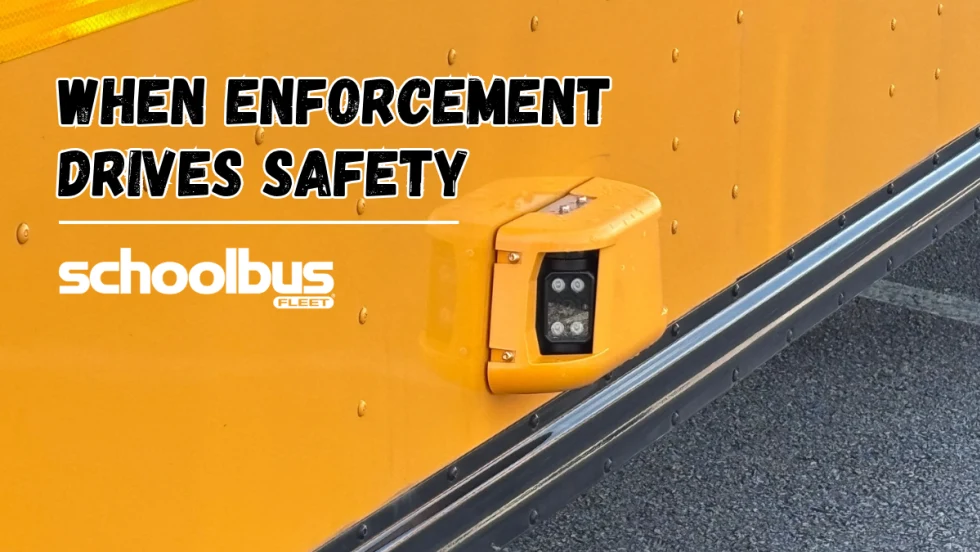
School Bus Stop-Arm Violations Decline 53% Across Verra Mobility Programs
Verra Mobility shares how school bus stop-arm cameras and school zone safety programs are changing driver behavior, reducing violations, and protecting students.
Read More →
Most Bus Crashes Aren’t Your Fault. Here’s How to Prove It.
A guide for what to do in between a school bus crash and a claim: what to preserve, who to notify, and how to keep the facts available when they matter.
Read More →
National School Bus Safety Week 2026: Tips, Toolkits & Resources to Keep Students Safe
School bus safety takes more than awareness. Explore expert tips, enforcement strategies, and free resources to help protect students on every ride.
Read More →
2 Killed, Dozens Injured in Florida School Bus Crash
A multi-vehicle collision caused a Polk County school bus carrying 37 students to overturn on its way to Winter Haven High School.
Read More →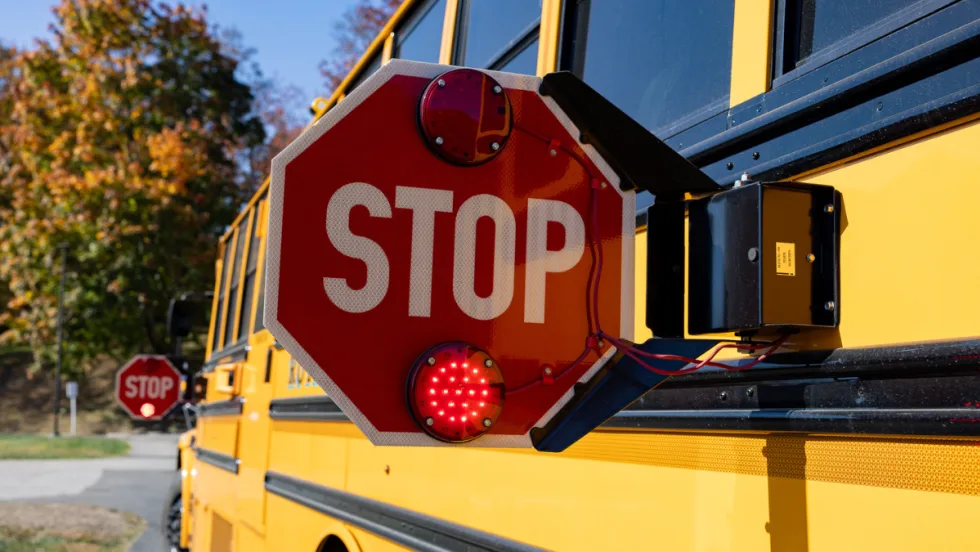
Illegal School Bus Passing Drops 24% in New York Districts
With fewer than 5% of citations involving repeat offenders, Westchester County officials said enforcement, education, and community partnerships are helping change driver behavior.
Read More →
School's Back. Here's What Happened to Traffic, Speeding & Distraction
What happens to traffic when school resumes? New data analysis examines changes in distracted driving, congestion, and speeding around schools.
Read More →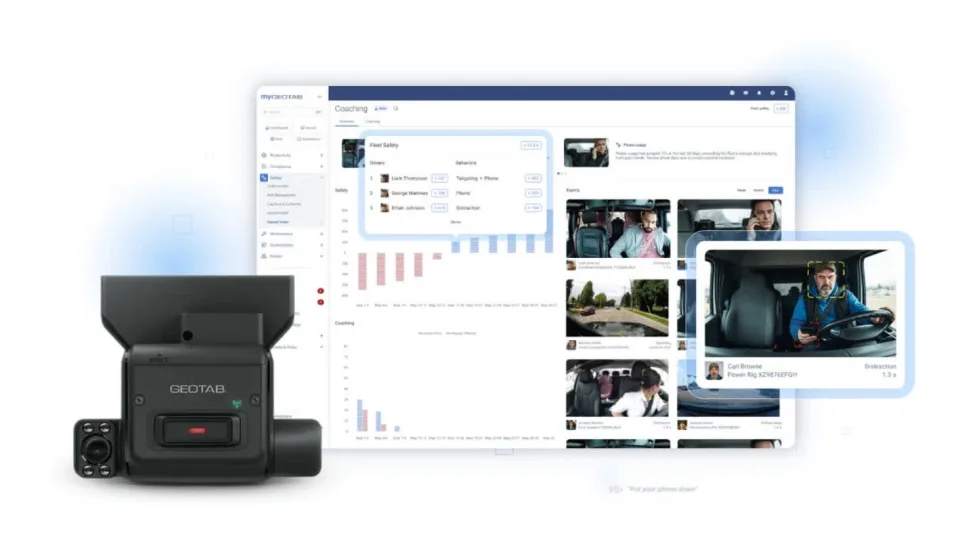
Geotab Expands Fleet Safety Tools With Video Coaching, Risk Insights
New safety and video capabilities aim to help fleet managers assess risk, support drivers, and take targeted action through video coaching, red-light violation detection, and more.
Read More →
How to Build a Better School Bus Driver Training Program
Is it time to strengthen your driver training? Here’s how to pick the right talent and improve recruitment, retention, and safety. This video is brought to you by IC Bus.
Read More →