





Check Out: Clean School Bus Program Reports Successful First Full Year to Congress
West Virginia Sees Fourth Round of EV Bus Testing
GreenPower Motor Company continues to evaluate the performance of its Type D BEAST and Type A Nano BEAST school buses on rural roads and in cold weather.
February 28, 2023

Lewis County Schools taking delivery of a GreenPower BEAST all-electric, purpose-built school bus. In the photo are Dr. Robin Lewis, superintendent; Gerald Paugh, transportation supervisor; and GreenPower Motor Vice President Mark Nestlen.
Photo: GreenPower Motor Co.
2 min to read
GreenPower Motor Company has launched the fourth round of its electric school bus pilot project in West Virginia.
This time, the company is testing Type D BEAST and Type A Nano BEAST buses. The Type D buses will be deployed in Mineral, Lewis, and Harrison County school districts, while a Type A bus goes to Upshur County.
The testing is expected to evaluate bus performance on rural roads, in mountainous conditions, and in cooler temperatures. It’s also a chance to assess charging options by including systems provided by S&B USA eMobility and Francis Energy in Lewis and Upshur counties.
The company reports that the infrastructure uses a state-of-the-art Level 2 charger that “far exceeds the necessary charging rates for successful operations.” Similar charging rates are typically only available with DC fast-charge infrastructure. The chargers come packaged with operations management software that allows fleet operators to remotely inspect, troubleshoot, reset, and track both chargers and vehicles to ensure operational excellence and eliminate unnecessary downtime.
"GreenPower's BEAST and Nano BEAST continue to prove their capabilities in colder weather conditions and mountainous terrain and we look forward to launching Round 4 of our pilot project with Mineral, Lewis, Harrison and Upshur counties and gathering valuable data," said GreenPower CEO and Chairman Fraser Atkinson. "We're committed to continue bringing healthier transportation alternatives to the children and communities of West Virginia to help reshape how students travel to and from school."
Round 4 of the pilot program will focus on districts with mountainous roads and cooler conditions. The data collected from each of the pilot program rounds continue to prove an electric bus is just as capable as an ICE bus on the same roads in the same conditions. A GreenPower bus was recently approved for purchase by Kanawha County Public Schools which was a participant in the first round of the pilot program.
"We are excited to see the positive impressions the BEAST left on Kanawha County after the school district purchased the first electric school bus in the state following their participation in the pilot program," Atkinson said.
GreenPower will continue to support school districts transitioning to all-electric buses through installing the proper charging infrastructure and the necessary training for each county's first responders, mechanics, and school bus drivers.
Jodie Akers, director of transportation and student services for Upshur County Schools, said the district is excited to pilot the first electric school bus in the county.
“We know that zero-emissions buses provide a healthier and clean environment,” Akers said.
More Alternative Fuels
Bipartisan Bill Seeks to Extend Clean School Bus Program Through 2031
The proposed legislation would renew federal support for cleaner school buses as districts navigate funding uncertainty, rising fuel and infrastructure costs, and fleet replacement needs.
Read More →
Alt-Fuel Moves: Electric Bus Rollouts, Bidirectional Charging & Propane Growth
See which fleets are adding electric and propane school buses as districts and operators invest in charging infrastructure, bidirectional technology, and alternative-fuel expansion.
Read More →
Nobody Told Diesel Prices They Were Supposed to Come Down
With diesel prices surging, school bus fleets have new reason to stress-test fuel costs, consider diversification, and calculate what each route really costs to operate.
Read More →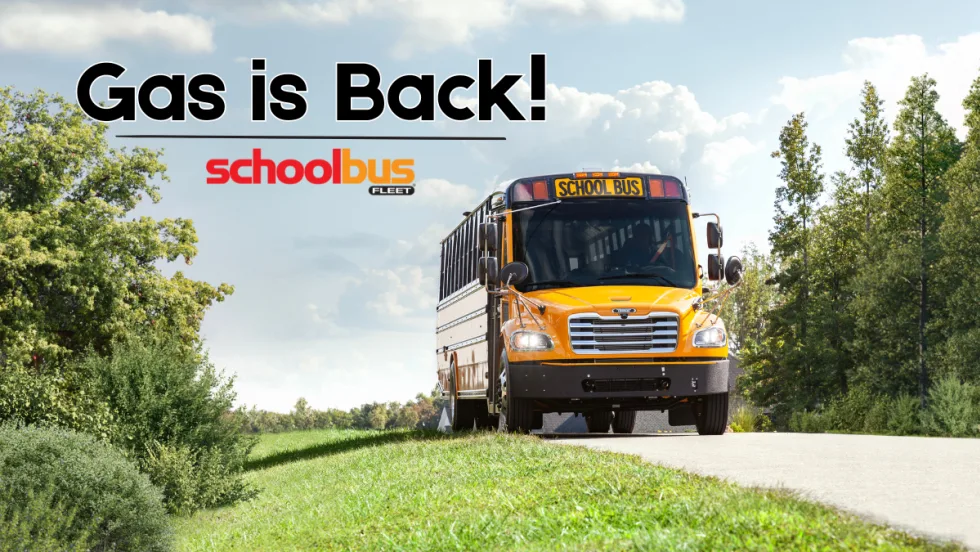
Why Gasoline School Buses Are Making a Comeback
Gasoline is gaining ground in full-size school buses. See how today’s options stack up against diesel on cost, maintenance, emissions, performance, and more.
Read More →
EPA Opens $180M DERA Funding Round for Diesel Upgrades
The 2026 Diesel Emissions Reduction Act program seeks applications from eligible organizations to accelerate the retirement of legacy diesel vehicles.
Read More →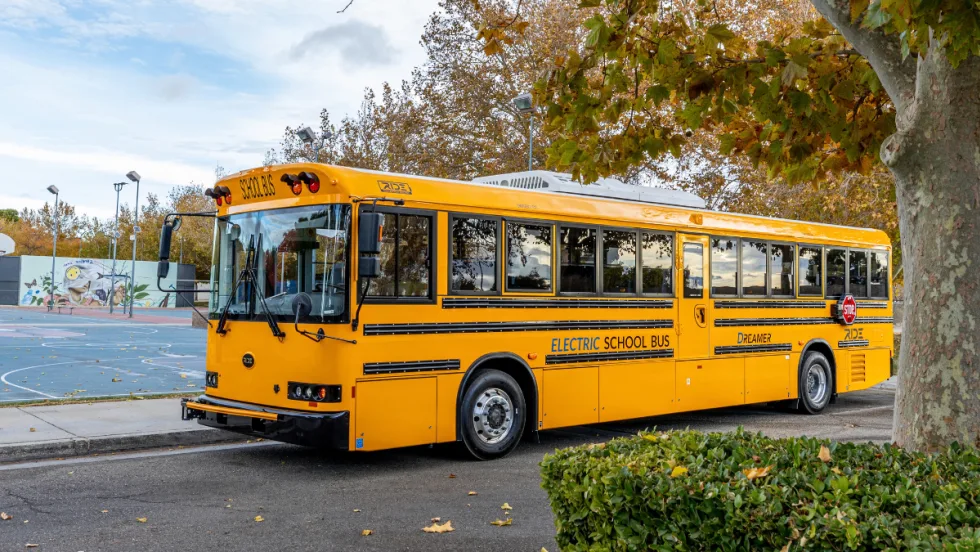
The Secret Life of an Electric School Bus Battery
Batteries change throughout years of daily routes, but degradation doesn’t necessarily mean the end. Here’s what operators should know about performance, safety, and second life.
Read More →
CALSTART and Forth Combine to Form Catalyst Mobility
The new name represents a renewed vision for the nonprofit focused on advancing clean, equitable, and affordable transportation solutions that move people and goods.
Read More →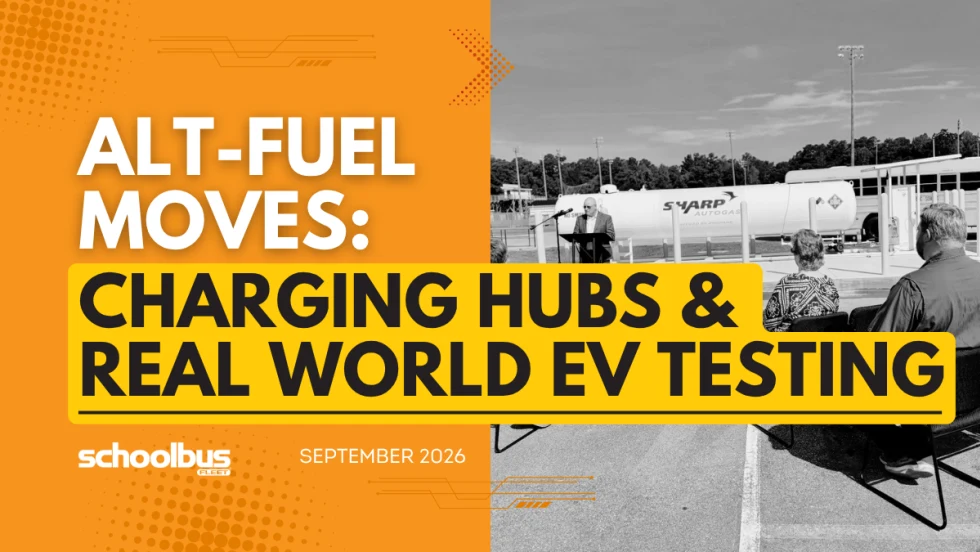
Alt-Fuel Moves: New Buses, Charging Hubs & Real-World EV Testing
Propane and electric school bus deployments continue to grow as districts add new vehicles, expand charging infrastructure, and gather more real-world operating data.
Read More →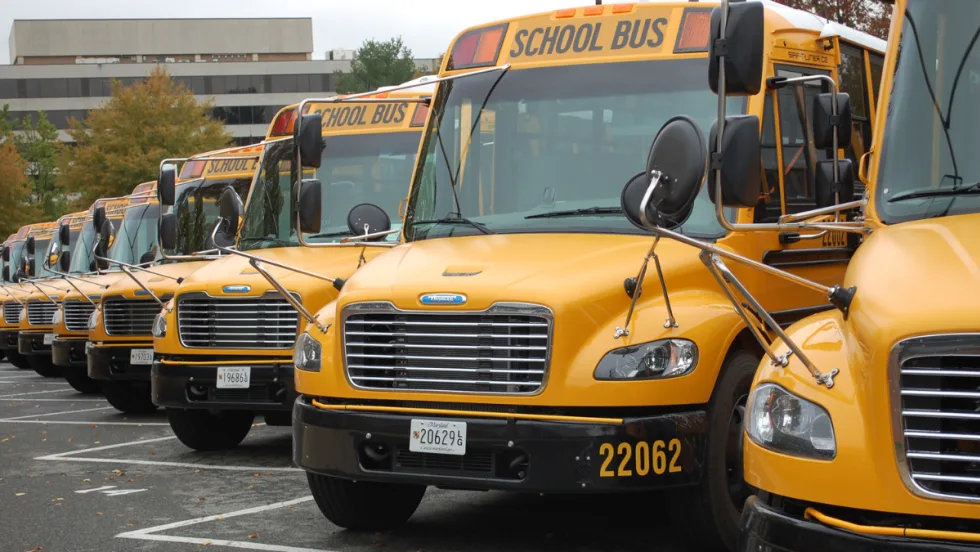
Fewer Electric School Bus Models Reshape the U.S. Market
WRI’s latest buyer’s guide points to a consolidating electric school bus market, but fewer options may reflect a maturing industry rather than fewer meaningful choices for school bus operators.
Read More →
The Fuel Budget You Can Actually Predict: How Propane Autogas Keeps Money in the Classroom
Learn how propane autogas helps school districts manage fuel costs with predictable pricing, lower maintenance, and reduced emissions from former transportation director Joel Stutheit.
Read More →