





Check Out: REACHING OUT - The Beneficial Electrification League and Its Efforts to Help Rural Schools Transition to Zero-Emission Fleets
Associations Unite for Electric School Bus Collaborative
The new E-SBC is focused on getting more state and community perspectives when it comes to school bus fleets transitioning to electric.
April 5, 2022

2 min to read
Leading national education and pupil transportation groups have formed the Electric School Bus Collaborative (E-SBC), aimed to incorporate more state and community perspectives about facilitating the transition to electric school bus fleets across the country.
The Collaborative is comprised of AASA, The School Superintendents Association, the Association of School Business Officials International (ASBO) and the National Association for Pupil Transportation (NAPT). Its creation comes as the Environmental Protection Agency kicks off a $5 billion program to distribute rebates for districts to replace older diesel buses with cleaner and greener school transportation.
These organizations will work with and support school transportation directors, school finance and operations leaders, superintendents, and other state and local officials in assessing capacity to electrify school bus fleets, identifying operational and financial challenges, and highlighting the potential environmental and economic benefits of fuel-efficient, lower-emission school buses.
The formation of the Collaborative coincides with the announcement of the Biden-Harris Action Plan for Building Better School Infrastructure. As districts around the country are positioned to invest historic amounts of federal funding in improving air quality in schools, building outdoor learning spaces, and greening their building and transportation infrastructure, the Collaborative commends the Administration for its efforts to recognize and encourage school district leaders and communities’ efforts.
“The ESBC will be a nonpartisan source of information, education, and advice for school system leaders in the K-12 market space as they analyze and implement the transition to electric-powered school buses,” said Michael Martin, executive director of NAPT.
“As we work toward equity-based and future-driven best practices in our school systems, district leaders must ensure bold strategies that will positively impact how our young learners are traveling to and from school,” said Daniel A. Domenech, executive director of AASA. “This partnership is steadfastly committed to creating the most efficient means possible in how we transport our students who are living in urban, suburban and rural communities. We are excited to work with NAPT and ASBO International on this critical endeavor.”
“We are proud to join this Collaborative and share school district perspectives, challenges, and solutions to provide students safer, greener and more cost-effective school transportation services,” said David J. Lewis, executive director of ASBO International.
“We want to encourage the momentum, but with an understanding that it cannot be a one-size-fits-all proposition; there are differences in state education funding mechanisms and school bus operations from community to community,” Martin added.
More Alternative Fuels
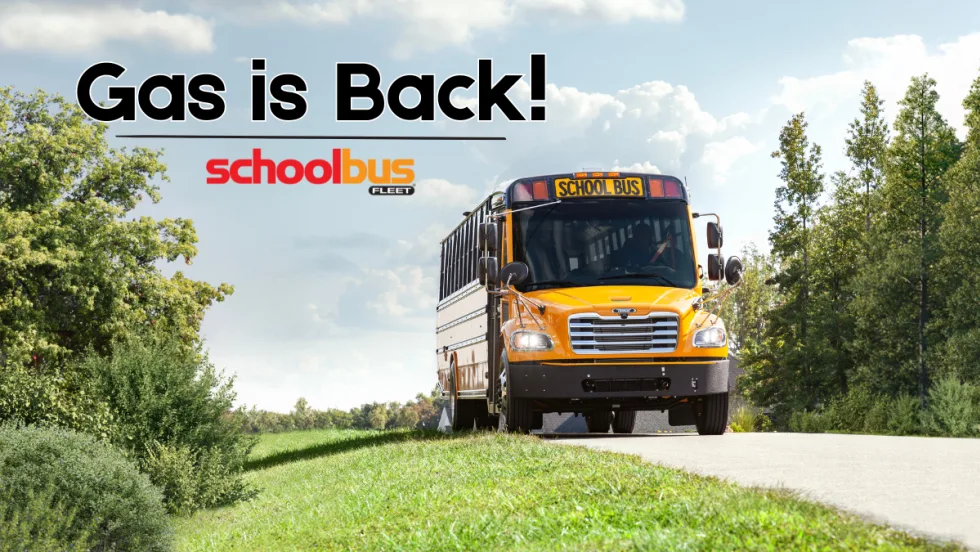
Why Gasoline School Buses Are Making a Comeback
Gasoline is gaining ground in full-size school buses. See how today’s options stack up against diesel on cost, maintenance, emissions, performance, and more.
Read More →
EPA Opens $180M DERA Funding Round for Diesel Upgrades
The 2026 Diesel Emissions Reduction Act program seeks applications from eligible organizations to accelerate the retirement of legacy diesel vehicles.
Read More →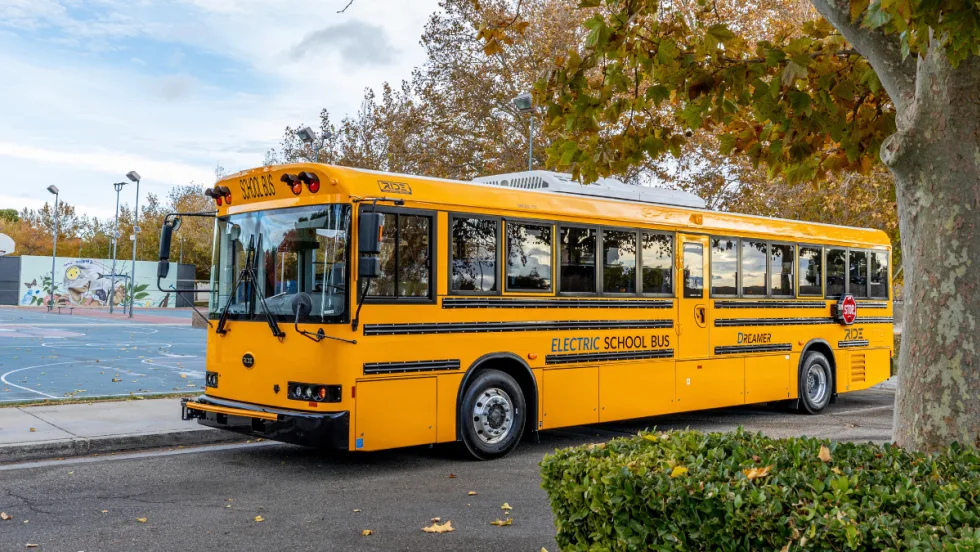
The Secret Life of an Electric School Bus Battery
Batteries change throughout years of daily routes, but degradation doesn’t necessarily mean the end. Here’s what operators should know about performance, safety, and second life.
Read More →
CALSTART and Forth Combine to Form Catalyst Mobility
The new name represents a renewed vision for the nonprofit focused on advancing clean, equitable, and affordable transportation solutions that move people and goods.
Read More →
Alt-Fuel Moves: New Buses, Charging Hubs & Real-World EV Testing
Propane and electric school bus deployments continue to grow as districts add new vehicles, expand charging infrastructure, and gather more real-world operating data.
Read More →
Fewer Electric School Bus Models Reshape the U.S. Market
WRI’s latest buyer’s guide points to a consolidating electric school bus market, but fewer options may reflect a maturing industry rather than fewer meaningful choices for school bus operators.
Read More →
The Fuel Budget You Can Actually Predict: How Propane Autogas Keeps Money in the Classroom
Learn how propane autogas helps school districts manage fuel costs with predictable pricing, lower maintenance, and reduced emissions from former transportation director Joel Stutheit.
Read More →
Hendrickson, Driventic Introduce New Electric Powertrain for School Buses
ELECTRAAX, the electrified, lightweight drive axle offers integrated ePowertrain efficiency and modular flexibility for Class 6–7 school bus use.
Read More →
The Mobility House Joins PowerFlex in Fleet Electrification Deal
The acquisition combines intelligent charging software, bidirectional charging expertise, and fleet electrification services to support the growing adoption of electric school buses across North America.
Read More →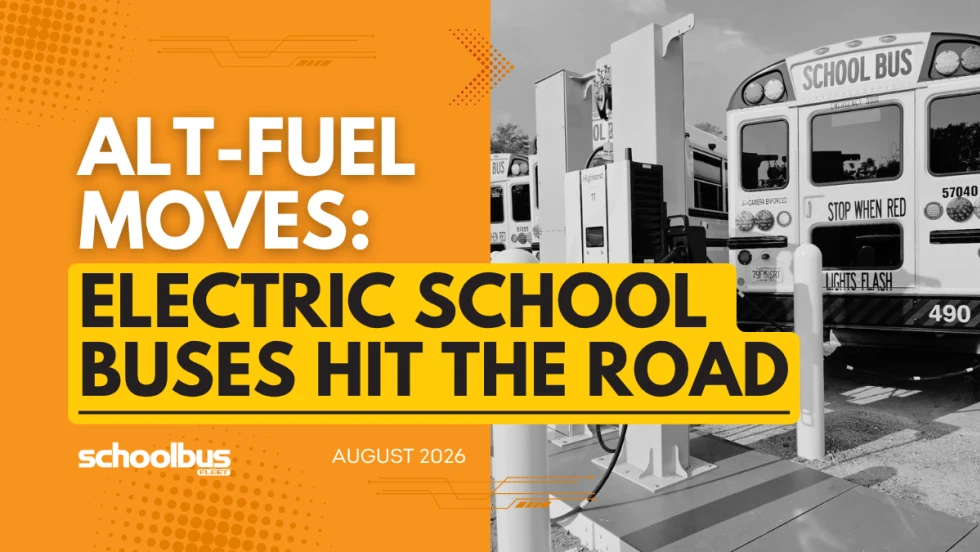
Alt-Fuel Moves: Electric School Bus Investments Hit the Road
See which districts across the U.S. are putting electric school buses into service, expanding charging infrastructure, and planning the next phase of fleet electrification.
Read More →