




New Jersey School Bus Company Owners Indicted
Ahmed Mahgoub and his wife, Faiza Ibrahim, of F&A Transportation, are charged with conspiracy and records tampering connected to $3.5 million in school transportation contracts.

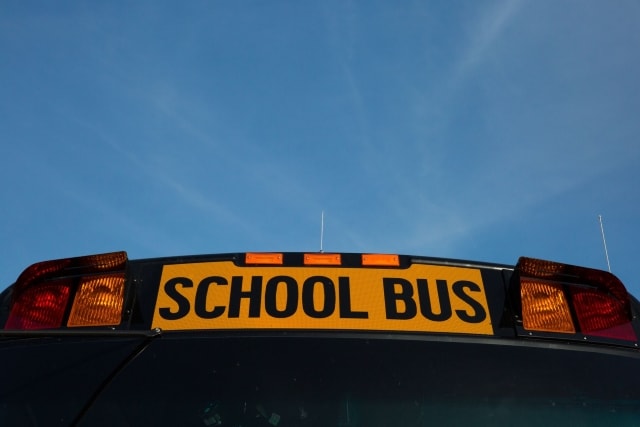
F&A Transportation of New Jersey allegedly hired drivers without valid commercial driver's licenses, who had criminal histories, and some of whom used illegal drugs.
File photo
Owners of a New Jersey school bus company have been indicted, accused of providing false information to school districts in a conspiracy to conceal that they ran unsafe buses, hired unqualified drivers, and failed to conduct mandatory background checks and drug testing.
Ahmed Mahgoub, 53, his wife, Faiza Ibrahim, 48, and their company, F&A Transportation (doing business as Smart Union, Inc., and Unity Transportation, Inc.) face the following criminal charges:
Conspiracy (second degree)
False representations for a government contract (second degree)
Theft by deception (second degree)
Tampering with public records or information (third degree)
Falsifying or tampering with records (fourth degree)
Misconduct by a corporate official (second degree)
The indictment comes in the wake of an investigation by the Office of Public Integrity and Accountability (OPIA) and the New Jersey State Police Official Corruption Bureau. It covers contracts that F&A secured between 2016 and 2020 with public school districts in Essex, Passaic, Morris, and Union counties, with an aggregate value of about $3.5 million.
Mahgoub and Ibrahim allegedly hired drivers who didn’t hold valid commercial driver’s licenses or lacked required license endorsements, and drivers who used illegal drugs or had criminal histories. Investigators also reported that they falsified vehicle inspection forms to indicate that their buses consistently passed pre- and post-trip inspections. These forms, which school districts rely upon as proof of bus safety, are maintained for review by the New Jersey Motor Vehicle Commission.
As SBF reported, in February 2019, an F&A Transportation employee named Lisa Byrd allegedly used heroin in the company parking lot in East Orange before climbing aboard a school bus to transport 12 special-needs children in Newark. During the route, authorities say, Byrd overdosed and wrecked the bus. Police at the scene used Narcan to revive her.
“Parents want to know their children are safe when they get on the bus to go to school each day,” said Andrew J. Bruck, acting attorney general of New Jersey, in a prepared statement. “We will not tolerate the type of flagrant and widespread safety violations alleged here, involving unfit drivers as well as unsafe buses.”
Col. Patrick J. Callahan, superintendent of the New Jersey State Police, said in a statement: “When a parent entrusts a bus driver to safely transport their child to school, there should never be a concern that the individual behind the wheel may have a criminal record, may have failed a drug test, or may be operating an unsafe vehicle. The callous and irresponsible behavior displayed by the owners of this company is more than just a violation of trust, it knowingly placed children in danger.”
The second-degree crimes charged in the indictment carry a sentence of five to 10 years in state prison and a fine of as much as $150,000. Third-degree crimes could lead to three to five years in prison and a fine of as much as $15,000. Fourth-degree crimes carry a sentence of as much as 18 months in prison and a $10,000 fine.

Official New Jersey State Seal
Peter Aseltine, public information officer for the attorney general’s office, said Mahgoub and Ibrahim will be ordered to appear in court for arraignment on the indictment, but arraignments had not yet been scheduled as of Tuesday.
The New Jersey Attorney General’s Office in March secured a similar indictment against Paterson, N.J.-based A-1 Elegant Tours, Inc., its owner, and its manager. Owner Shelim Khalique, 52, and manager Henry Rhodes, 57, allegedly employed many drivers without valid commercial licenses or required endorsements, and some with suspended licenses and/or criminal records.
More Safety

How to Build a Better School Bus Driver Training Program
Is it time to strengthen your driver training? Here’s how to pick the right talent and improve recruitment, retention, and safety. This video is brought to you by IC Bus.
Read More →
Recent School Bus Accidents Leave 2 Dead, 2 Injured
Four school bus crashes in Florida, Illinois, and Georgia highlight risks in transportation lots, at bus stops, and during student loading and unloading.
Read More →
When Every Second Matters, Clarity Keeps Routes Moving
From routine delays to urgent incidents, strong communication practices help drivers, dispatchers, schools, and families respond with confidence.
Read More →

What Happens When a School Bus Catches Fire — and What Can Help
School bus fires are rare but can be devastating. Learn how advances in fire suppression and asset protection help fleets detect fires earlier, reduce damage, and improve safety.
Read More →
Geotab Launches Tool to Help Fleets Investigate Road Incidents
Geotab Investigations combines telematics data, video, documents, and other evidence to help fleets reconstruct incidents, resolve claims, and determine what happened.
Read More →
Texas Sixth Grader Wins 2026 National School Bus Safety Poster Contest
Sai Darshana Yekolu of Moseley Middle School in Prosper, Texas, was named the newest winner for her artwork, bringing the theme of “Safe Rides, Everyday Heroes” to life.
Read More →
Doing More With Less: How Transportation Directors Can Prioritize Safety Amid Budget Uncertainty
With diesel prices soaring and nearly one-third of transportation directors expecting budget cuts, maintaining student safety has never been more challenging. Download this guide to learn how leading districts are prioritizing risk, funding critical safety technology, and building stronger budget cases with data.
Read More →
Walton County Schools Adds Gatekeeper Stop-Arm Enforcement System
The Florida district will deploy Gatekeeper’s updated Student Protector technology, which now incorporates AI to improve video evidence.
Read More →
How To Build a More Secure School Bus Yard During and After Hours
As thefts and overnight security threats continue, school transportation leaders are combining stronger operational practices with AI-enabled surveillance to better protect buses, facilities, and staff.
Read More →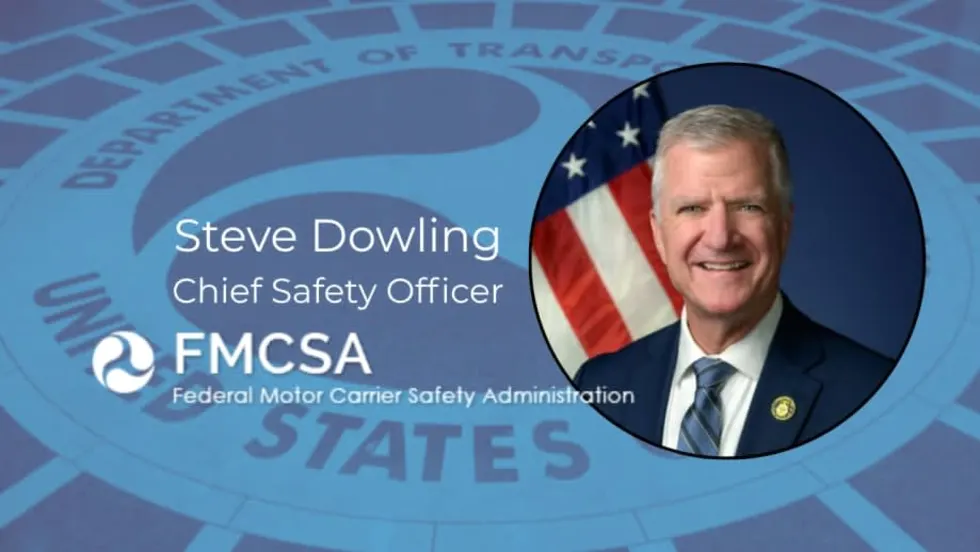
FMCSA Names New Chief Safety Officer: What School Bus Operators Should Know
Steve Dowling is set to lead the federal agency's efforts to advance commercial motor vehicle safety and reduce crashes, fatalities, and injuries on the nation's roadways.
Read More →