




Collins Bus Introduces 'CLEAN and SHIELD' Sanitization Program
The powerful, proprietary, no-rinse, no-wipe, one-step, all-purpose “cleaner, deodorizer, disinfectant and anti-allergen” is fogged onto a vehicle’s passenger cabin surfaces and throughout its HVAC system to sanitize, deodorize, and disinfect.

Collins Bus is taking extra precautions to prevent the spread of viruses and other germs, beginning on the production floor with the application of Collins CLEAN and SHIELD by PermaSafe.
Collins CLEAN is a powerful, proprietary, no-rinse, no-wipe, one-step, all-purpose “cleaner, deodorizer, disinfectant and anti-allergen” that is fogged onto a vehicle’s passenger cabin surfaces and throughout its HVAC system to sanitize, deodorize, and disinfect.
A single quick and easy application of Collins CLEAN will eliminate up to 99.999% of germs, bacteria, viruses, fungi, mold and other harmful microorganisms, or “microbes” on hard, nonporous surfaces and 99.9% of same on fabrics and carpet, while also eliminating odors and allergens.
Collins CLEAN can eliminate up to 99.999% of germs, including:
Sars-COV-2 2019 Novel Coronavirus
Acinetobacter baumannii
Aspergillus Niger
Enterobacter aerogenes
Escherichia Coli (E. coli)
Hepatitis B
Hepatitis C
Human Immunodeficiency Virus (HIV)
Klebsiella pneumoniae
Legionella Pneumophila (Legionnaires' Disease)
Listeria monocytogenes
Methicillin-resistant Staphylococcus aureus (MRSA)
Murine Norovirus
Norovirus
Pseudomonas Aeruginosa
Respiratory Syncytial virus (HRSV)
Rotavirus, Strain WA
Salmonella choleraesuis (Salmonella)
Staphylococcus aureus
Swine Influenza (Swine Flu)
Unlike other antimicrobial treatments, this is only Step 1 of Collins’ Long-Term Microbial Control System, performed not only to clean and disinfect, but also “prime” such surfaces to help ensure a permanent bond with the subsequent application of Collins SHIELD.
Once cured, the antimicrobial coating forms an invisible shield that inhibits the growth of microorganisms and helps prevent the growth and spread of bacteria. Because the cell walls of harmful microorganisms are negatively charged, they are electrostatically drawn towards and pulled onto the positively charged spikes and destroyed, as the spikes both impale and electrostatically “shock” the microbes.
More Safety

How to Build a Better School Bus Driver Training Program
Is it time to strengthen your driver training? Here’s how to pick the right talent and improve recruitment, retention, and safety. This video is brought to you by IC Bus.
Read More →
Recent School Bus Accidents Leave 2 Dead, 2 Injured
Four school bus crashes in Florida, Illinois, and Georgia highlight risks in transportation lots, at bus stops, and during student loading and unloading.
Read More →
When Every Second Matters, Clarity Keeps Routes Moving
From routine delays to urgent incidents, strong communication practices help drivers, dispatchers, schools, and families respond with confidence.
Read More →

What Happens When a School Bus Catches Fire — and What Can Help
School bus fires are rare but can be devastating. Learn how advances in fire suppression and asset protection help fleets detect fires earlier, reduce damage, and improve safety.
Read More →
Geotab Launches Tool to Help Fleets Investigate Road Incidents
Geotab Investigations combines telematics data, video, documents, and other evidence to help fleets reconstruct incidents, resolve claims, and determine what happened.
Read More →
Texas Sixth Grader Wins 2026 National School Bus Safety Poster Contest
Sai Darshana Yekolu of Moseley Middle School in Prosper, Texas, was named the newest winner for her artwork, bringing the theme of “Safe Rides, Everyday Heroes” to life.
Read More →
Doing More With Less: How Transportation Directors Can Prioritize Safety Amid Budget Uncertainty
With diesel prices soaring and nearly one-third of transportation directors expecting budget cuts, maintaining student safety has never been more challenging. Download this guide to learn how leading districts are prioritizing risk, funding critical safety technology, and building stronger budget cases with data.
Read More →
Walton County Schools Adds Gatekeeper Stop-Arm Enforcement System
The Florida district will deploy Gatekeeper’s updated Student Protector technology, which now incorporates AI to improve video evidence.
Read More →
How To Build a More Secure School Bus Yard During and After Hours
As thefts and overnight security threats continue, school transportation leaders are combining stronger operational practices with AI-enabled surveillance to better protect buses, facilities, and staff.
Read More →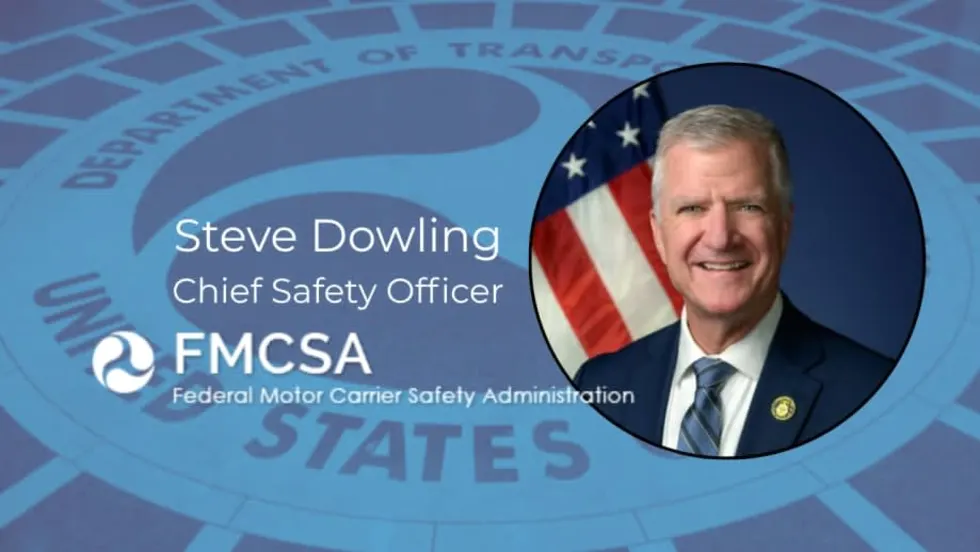
FMCSA Names New Chief Safety Officer: What School Bus Operators Should Know
Steve Dowling is set to lead the federal agency's efforts to advance commercial motor vehicle safety and reduce crashes, fatalities, and injuries on the nation's roadways.
Read More →