


[IMAGE]8[/IMAGE]
LAND O' LAKES, Fla. — Pasco County Schools has developed an innovative program to ensure that elementary students get off the bus at the right stop in the afternoon.
 MENU
MENU SEARCH
Innovative program features wristbands that match students to the right bus. Wristbands list student's name, grade, school, route and stop number.

At Pasco County Schools, the transportation department purchased wristbands for elementary school bus passengers so the drivers can make sure they get off at the correct stops. A student’s name and grade level, an abbreviation of the name of his or her school, the school’s telephone number, and the student’s bus route and stop number are printed on the bands.
[IMAGE]8[/IMAGE]
LAND O' LAKES, Fla. — Pasco County Schools has developed an innovative program to ensure that elementary students get off the bus at the right stop in the afternoon.
Wristbands were purchased by the transportation department and then distributed during registration in August. A student's name and grade level, an abbreviation of the name of his or her school, the school's telephone number, and the student's bus route and stop number are printed on the bands. Parents were asked to attach the bands to their kids' backpacks.
Transportation Director Gary Sawyer said that the colors of the wristbands vary and represent the bus routes. To help students determine which buses they should board, the department staff glued several wristbands to pieces of paper, wrote the route numbers on the papers and hung them in the bus windows. The students could then match their wristbands with the ones in the windows.
During the first three weeks of the school year, bus drivers were given an attendance sheet and instructed to take attendance as the students boarded their buses in the afternoon.
"We targeted three weeks so that we would know that the students got on the buses," Sawyer explained. "Plus, after a month or so, drivers know the students and where they need to exit. The drivers check the bus stop number on the wristbands before the students exit to make sure that they get off at the correct stops."
The department implemented the program because in the past, some young students would disembark their buses at the incorrect stop the first few days of school, causing a panic.
The program is an expanded version of one that has been running at Mittye P. Locke Elementary, one of the district's elementary schools, for about five years.
Tammy Berryhill, principal at Mittye P. Locke, said that for her program, the wristbands were color-coded (without any text on them) to correspond with the buses, helping students figure out which ones they should board.
"This new program is an improvement to our program," Berryhill said. "It takes safety to the next level."
Berryhill said that school staff members worked with the students to help them remember to show their wristbands to their bus drivers, and they also showed parents ways to attach the bands to backpacks for them to be accessible to the drivers.
Pasco County Schools piloted the program in May. Sawyer said that feedback was positive.
"I think people are happy that we're trying something that will help to keep track of students," Sawyer said. "It should tighten things up."
Student transportation teams are being asked to do more with less, facing driver shortages, rising costs, and increasing safety expectations. This report uncovers how fleets are adapting, where technology is making the biggest impact, and why student ridership tracking is emerging as a top priority. Download the report to explore the key trends shaping 2026 and what they mean for your operation.
Read More →
A Carroll County accident claimed the lives of two students and injured over a dozen others on a March 27 field trip for eighth graders at Clarksville-Montgomery County. A preliminary report adds new information to the story.
Read More →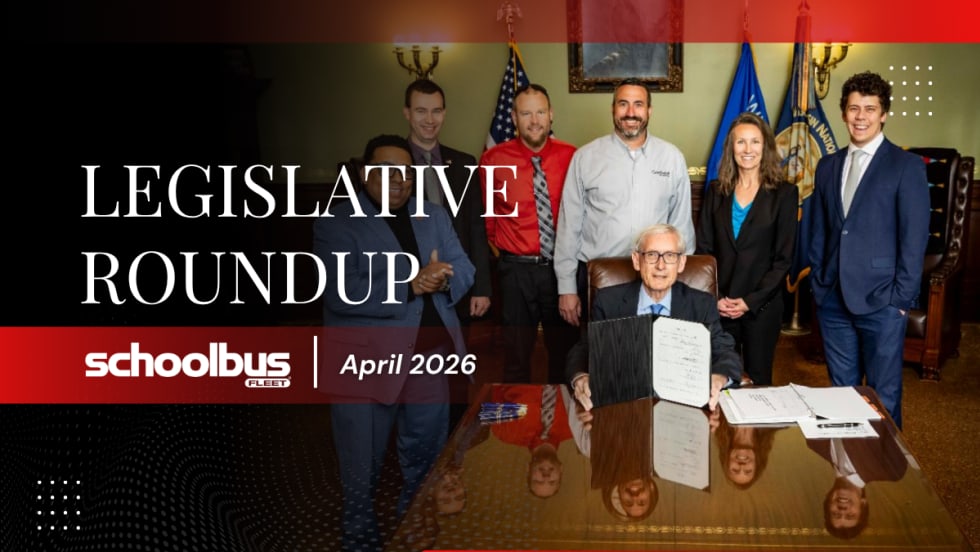
From driver shortage solutions in Tennessee and rural connectivity debates in Utah to new safety laws in Wisconsin and ongoing electric bus mandate discussions in New York and Connecticut, here’s the latest in school bus legislation across the U.S.
Read More →
Waymo’s self-driving vehicles are under fire again after repeated school bus passing violations, raising questions about safety, remote operators, and regulation.
Read More →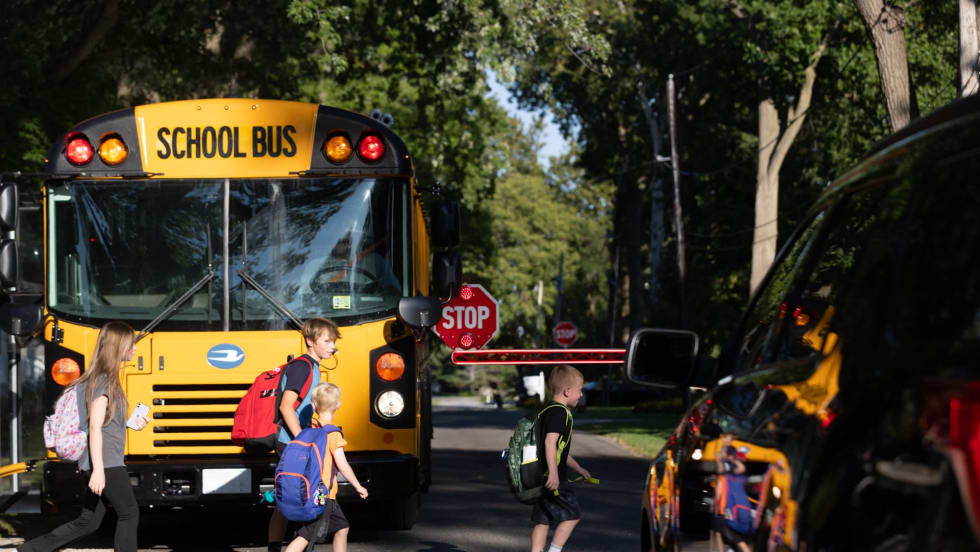
Distracted driving continues to pose serious risks in school zones, with new data and driver insights highlighting ongoing concerns and potential solutions to improve student and roadway safety.
Read More →
A former airline pilot has stepped into a new role at the independent federal agency, but where does he stand on issues like seat belts on school buses? Here’s what he’s said.
Read More →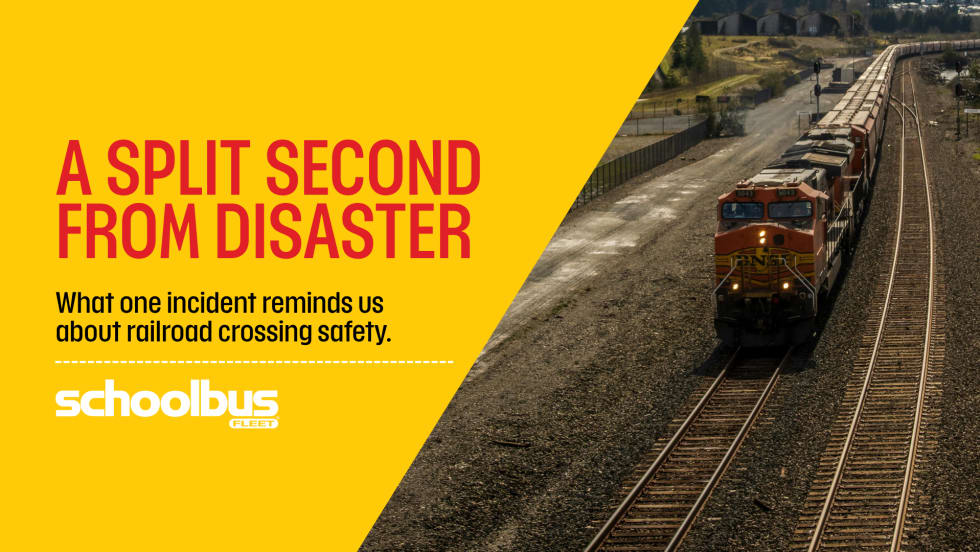
Two recent close calls at railroad crossings, a train clipping a bus and a rear-end crash, highlight why vigilance and training still matter. Here’s what happened and what to tell your own drivers.
Read More →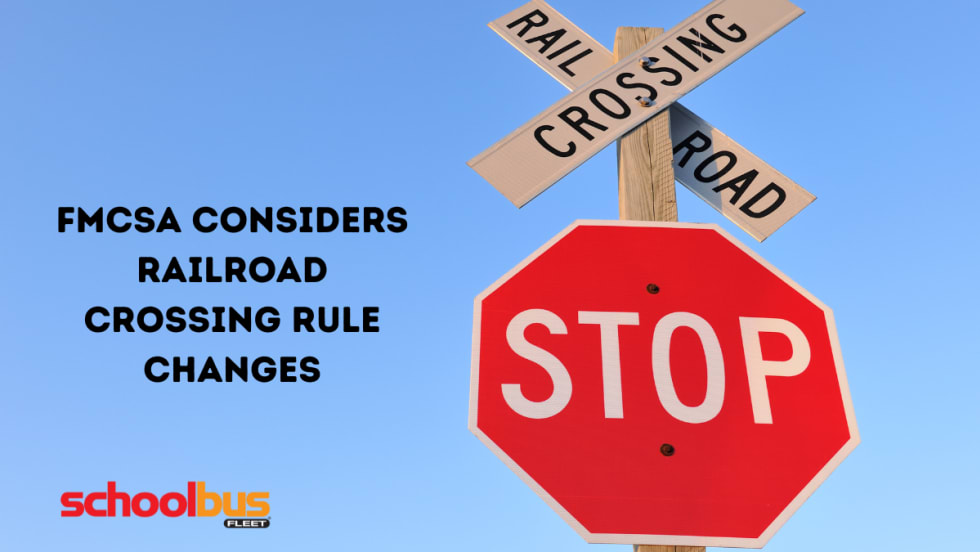
The federal agency's proposed rulemaking would eliminate the requirement for school buses to come to a complete stop at railroad crossings if the warning device is not activated. The goal: to improve traffic flow and save costs. With new data released, public comment is open through April 27, 2026.
Read More →
Stop reacting to engine lights and start predicting them. This guide reveals how transitioning from a "break-fix" model to a data-driven maintenance strategy can drastically reduce fleet downtime and protect your district's budget. Learn how to transform your garage operations from a cost center into a reliability powerhouse.
Read More →
From North Dakota public charter school regulations, tracking illegal school bus passing consequences in multiple states, and the continued debate on New York’s electric school bus mandate, here’s the latest in school bus legislation across the U.S.
Read More →