




Security requirements, terminology key issues at 2015 NCST
The National Congress on School Transportation converged on Des Moines, Iowa, and held spirited discussions on critical industry topics ranging from security practices to proper job titles to equipment placement.

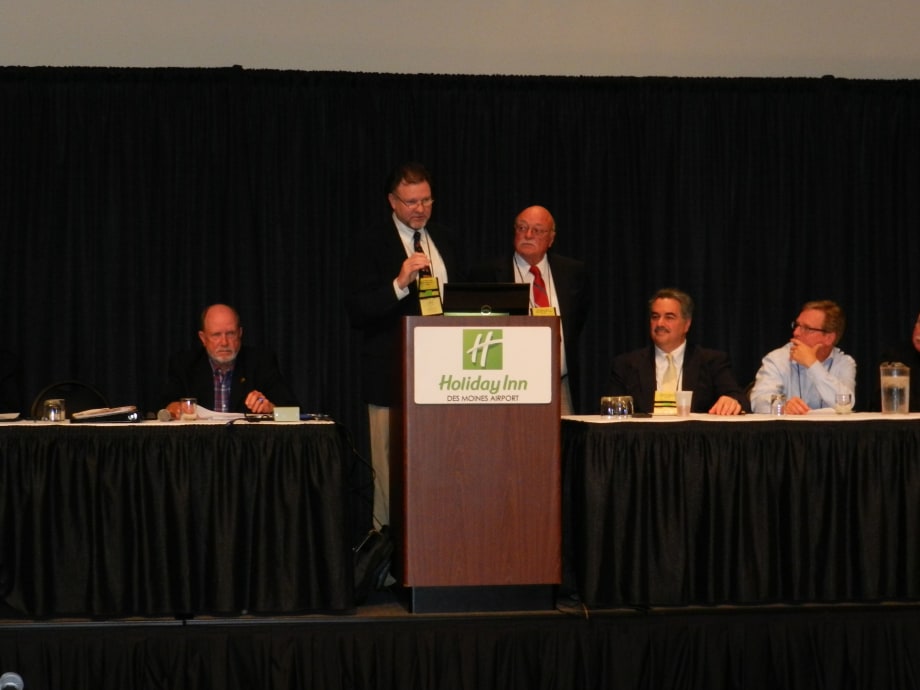
NCST participants discussed critical industry issues as they updated the National School Transportation Specifications and Procedures document.
This week, members of the 16th National Congress on School Transportation (NCST) converged on Des Moines, Iowa, and held spirited discussions on critical industry topics ranging from security practices to proper job titles to equipment placement.
NCST, which is held every five years, evolved from the first national standards conference for school transportation at Columbia University’s Teachers College in New York, organized by Dr. Frank Cyr in 1939.
Approximately 300 state delegates, alternate state delegates and other attendees gathered from May 17 to 20 at a new conference center attached to the Holiday Inn, located directly across the street from the Des Moines International Airport. This is the first time the congress has been hosted by Des Moines; NCST had previously been held at the University of Central Missouri in Warrensburg from 1980 to 2010.
Forty-six states were represented by delegates who reviewed, discussed and adopted updates to the National School Transportation Specifications and Procedures document. The specifications and procedures in the document include formal recommendations designed to provide guidance on vehicles, equipment and operational practices for optimal safety and efficiency.
After the general session kicked off the congress on Sunday evening, members of committees that were created to research topics such as special-needs operations, inspections and vehicle specifications, brought proposed changes to the delegates to discuss Monday through Wednesday. Key points of discussion and debate covered requirements for crossing control arms on school buses, security practices, alternative fuels, job titles and descriptions, verbiage used on the rear of buses, and placement of equipment such as fans and mirrors.
Members of the congress also developed resolutions for topics of research and discussion for 2020, which included draggings and vehicle equipment; standard equipment for the bus driver compartment; video cameras and visibility; and promoting more gender and cultural diversity. Additionally, the congress approved a funding action to be sent to the U.S. Department of Education to underscore the critical need for student transportation.
An awards ceremony held on Tuesday evening honored the late Don Carnahan for his extensive devotion to NCST, and for serving as chair in 1990 and 1995; Bill Loshbough, who served as NCST chair in 1980 and 1985; and Charlie Hood, the NCST chair in 2000 and 2005; as well as many others who help make NCST possible, such as coordinators and committee members, Terry Voy, the congress on-site chair, and Murrell Martin, the chair of the steering committee.
More detailed coverage of the congress will appear in the July issue.
More Safety

How to Build a Better School Bus Driver Training Program
Is it time to strengthen your driver training? Here’s how to pick the right talent and improve recruitment, retention, and safety. This video is brought to you by IC Bus.
Read More →
Recent School Bus Accidents Leave 2 Dead, 2 Injured
Four school bus crashes in Florida, Illinois, and Georgia highlight risks in transportation lots, at bus stops, and during student loading and unloading.
Read More →
When Every Second Matters, Clarity Keeps Routes Moving
From routine delays to urgent incidents, strong communication practices help drivers, dispatchers, schools, and families respond with confidence.
Read More →

What Happens When a School Bus Catches Fire — and What Can Help
School bus fires are rare but can be devastating. Learn how advances in fire suppression and asset protection help fleets detect fires earlier, reduce damage, and improve safety.
Read More →
Geotab Launches Tool to Help Fleets Investigate Road Incidents
Geotab Investigations combines telematics data, video, documents, and other evidence to help fleets reconstruct incidents, resolve claims, and determine what happened.
Read More →
Texas Sixth Grader Wins 2026 National School Bus Safety Poster Contest
Sai Darshana Yekolu of Moseley Middle School in Prosper, Texas, was named the newest winner for her artwork, bringing the theme of “Safe Rides, Everyday Heroes” to life.
Read More →
Doing More With Less: How Transportation Directors Can Prioritize Safety Amid Budget Uncertainty
With diesel prices soaring and nearly one-third of transportation directors expecting budget cuts, maintaining student safety has never been more challenging. Download this guide to learn how leading districts are prioritizing risk, funding critical safety technology, and building stronger budget cases with data.
Read More →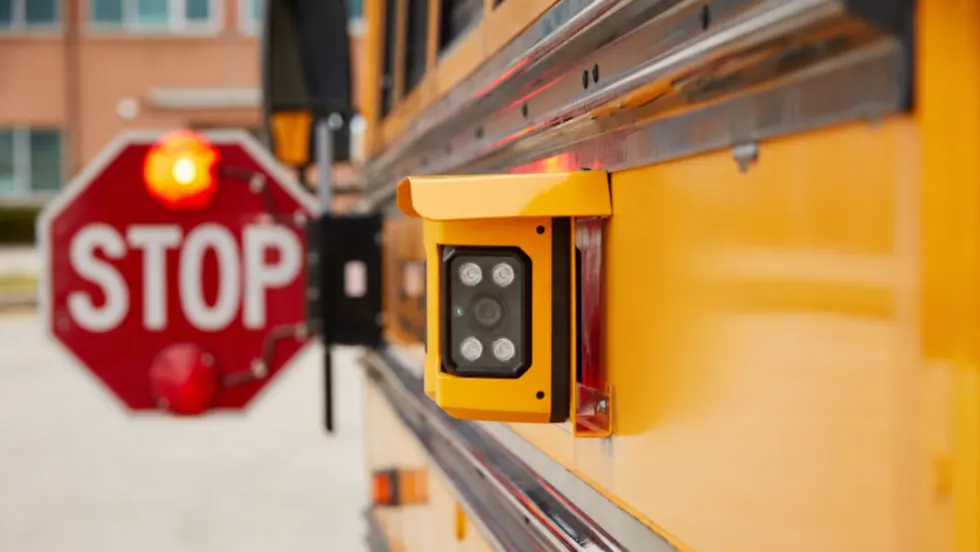
Walton County Schools Adds Gatekeeper Stop-Arm Enforcement System
The Florida district will deploy Gatekeeper’s updated Student Protector technology, which now incorporates AI to improve video evidence.
Read More →
How To Build a More Secure School Bus Yard During and After Hours
As thefts and overnight security threats continue, school transportation leaders are combining stronger operational practices with AI-enabled surveillance to better protect buses, facilities, and staff.
Read More →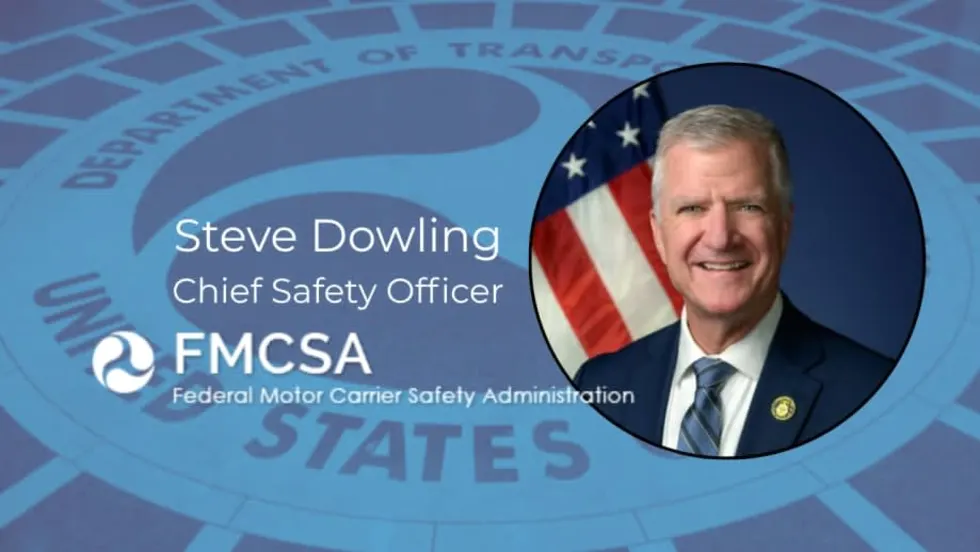
FMCSA Names New Chief Safety Officer: What School Bus Operators Should Know
Steve Dowling is set to lead the federal agency's efforts to advance commercial motor vehicle safety and reduce crashes, fatalities, and injuries on the nation's roadways.
Read More →