New A/C System Designed for Fast Cooling of School Buses
According to Bergstrom, testing found that the Cool Zone system cooled a bus five minutes faster than what is required by Florida and Texas state specs.
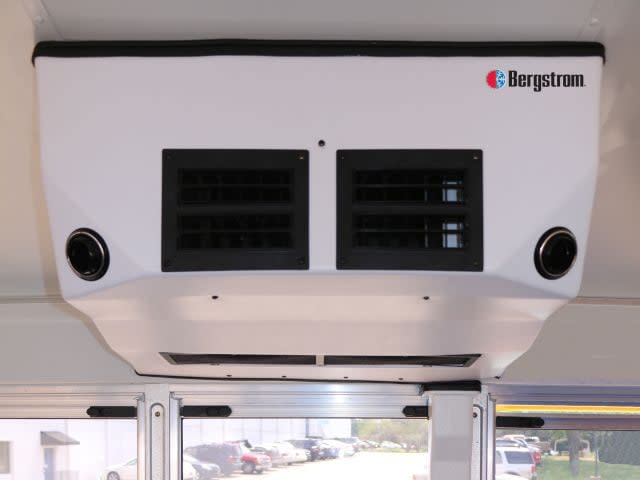
Cool Zone consists of front and rear bulkhead units, a midship unit (pictured), a dash unit, two three-fan condensers, and two compressors.
2 min to read
Cool Zone consists of front and rear bulkhead units, a midship unit (pictured), a dash unit, two three-fan condensers, and two compressors.
Bergstrom Inc. has introduced a new air-conditioning system for school buses, called Cool Zone.
According to Bergstrom, recent testing on a Blue Bird bus to Florida and Texas school bus specifications found that Cool Zone cooled the bus five minutes faster than what is required by the state specs.
“Bergstrom began producing heaters for Carpenter and Thomas school buses in 1952,” said Bill Gordon, division president of Bergstrom Parts LLC. “We’ve taken this industry expertise and engineered an OEM-quality air-conditioning system for the school bus market that will keep students comfortable and happy.”
The Cool Zone system consists of front and rear bulkhead units, a midship unit, a dash unit, two three-fan condensers, and two compressors. Features include:
• Adjustable mounting brackets and filters that are easy to service, according to Bergstrom.
• Electronic freeze protection on the rear bulkhead to prevent coils from freezing and a fully insulated case to prevent case sweating.
Ad Loading...
• Powder-coated galvannealed steel construction on the midship unit to prevent rust and enhance durability. The two adjustable double louvers and ball louvers optimize air flow for passengers, according to Bergstrom.
• A two-ton thermal expansion valve on the front bulkhead to improve a/c performance while the adjustable louvers direct airflow and enhance cooling.
• Three sealed axial fans produce 1,600 actual cubic feet per minute of airflow. According to the company, performance is maximized with zinc chromate-plated steel hardware and a powder-coated steel receiver drier with 12 cubic inches of molecular sieve.
• Compressor options include Sanden Enhanced SD7 or Seltec TM-21.
• Cooling and heating capability in dash unit for occupant comfort in hot and cold climates.
Ad Loading...
The Cool Zone system is customizable and can consist of any combination of bus systems. Factors that determine the different types of packages include the size of the school bus, state regulations, and average temperatures in the region.
For more information, contact Effie Reyes at (815) 874-7821, ext. 6150.
Districts nationwide are adopting Transfinder’s routing, tracking, and parent apps as the company also earns its ninth Best Companies to Work for in New York honor.
The Georgia-based OEM has acquired Girardin Group’s stake in the 50/50 Micro Bird joint venture, bringing the business fully under one brand, one team and one operating approach.
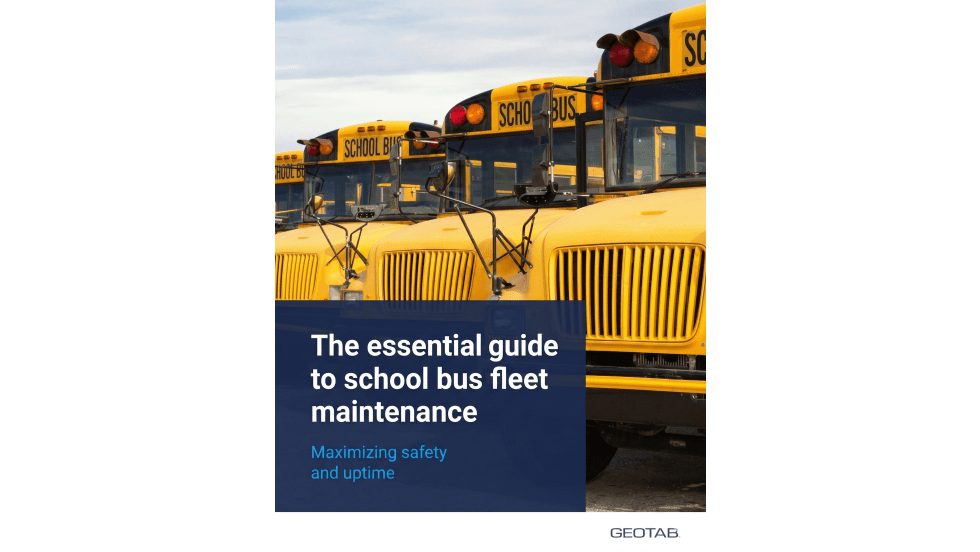
Stop reacting to engine lights and start predicting them. This guide reveals how transitioning from a "break-fix" model to a data-driven maintenance strategy can drastically reduce fleet downtime and protect your district's budget. Learn how to transform your garage operations from a cost center into a reliability powerhouse.
EverDriven is bringing its experience with complex transportation into a new school bus routing support division. In this video, Greg Jackson breaks down what the service offers and why districts need this kind of help now more than ever.
Three decades after almost walking away from the school bus, studying behavior changed everything for Kathy Calkins. Now, she oversees 181 buses and leads the 225-person team at North Clackamas with intent and purpose.
While the yellow school bus remains the backbone of student transit, 75% of administrators identify limited transportation access as a major driver of chronic absenteeism. This guide explores how districts are strengthening their fleets by integrating flexible, supplemental solutions to serve students with the most complex needs. Learn how a multimodal approach can bridge service gaps, restore attendance, and support your most vulnerable populations.