Stertil-Koni’s Continuous Recess system is now available on the in-ground telescopic piston Diamond Lift.
1 min to read
Stertil-Koni’s Continuous Recess system is now available on the in-ground telescopic piston Diamond Lift.
STEVENSVILLE, Md. — Stertil-Koni’s Continuous Recess system is now available on the company's in-ground telescopic piston Diamond Lift.
The Continuous Recess system was originally designed for Stertil-Koni’s in-ground, full-rise scissor Ecolift. According to the company, the system helps save time and boosts safety and convenience for maintenance technicians.
Ad Loading...
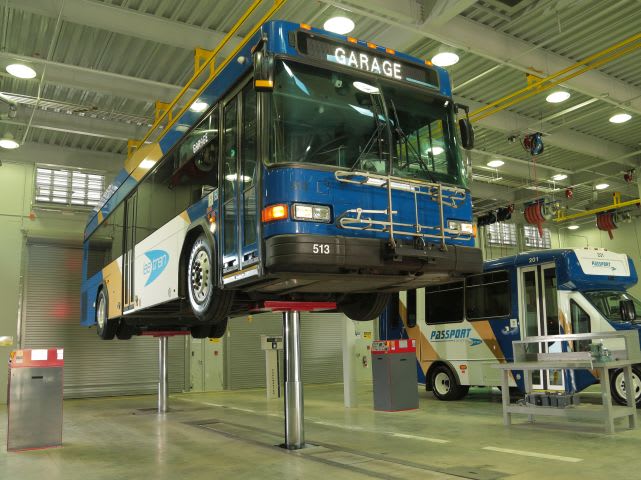
With the Diamond Lift, the Continuous Recess unit allows the bolster to recess flush to the floor anywhere in the horizontal range of piston travel. The bolsters remain completely flush with the floor, which facilitates lift setup, minimizes the possibility of hitting the lift with the vehicle, and reduces tripping hazards, according to Stertil-Koni.
“The Continuous Recess moveable lifting unit in the Diamond Lift is an industry first for piston-style lifts,” said Jean DellAmore, president of Stertil-Koni. “This innovative engineering enhances the Diamond Lift — popular because of its optimum flexibility, productivity, durability, and environmental containment.”
The Continuous Recess system’s flat pit covers are made from anodized aluminum and are equipped with a skid-resistant surface. The system provides full drive-over capacity of 13,500 pounds.
The Diamond Lift has a lifting capacity of up to 35,000 pounds per piston, or a total of 105,000 pounds in the three-piston configuration. It is available in two versions: “cassette” and “frame.” The lift is designed to accommodate vehicles with extremely low ground clearances.
Stop reacting to engine lights and start predicting them. This guide reveals how transitioning from a "break-fix" model to a data-driven maintenance strategy can drastically reduce fleet downtime and protect your district's budget. Learn how to transform your garage operations from a cost center into a reliability powerhouse.
Driver shortages and rising costs are straining already stretched school transportation budgets. Learn 12 practical strategies that help school bus fleets be more efficient, control costs, strengthen compliance, and protect student riders…all by using fleet technology that could pay for itself within a year.
Searching for the right equipment, technology, or services for your school transportation program? This industry guide brings together manufacturers and suppliers across the entire school bus market, all in one place. Download it to find the partners who can help move your operation forward.
What top challenges are school bus maintenance teams facing in 2026? Explore new trends from School Bus Fleet’s annual maintenance survey covering fleet composition and age, fuel types, used vs. new purchasing patterns, technician pay and certifications, and the impact of the driver shortage. Survey sponsor: Dayton Parts.
What top challenges are school bus maintenance teams facing in 2026? Explore new trends from School Bus Fleet’s annual maintenance survey covering fleet composition and age, fuel types, used vs. new purchasing patterns, technician pay and certifications, and the impact of the driver shortage. Survey sponsor: Dayton Parts.
From tire changers and diagnostics to wash systems and brake tech, these maintenance must-haves save time, reduce strain, and keep school bus shops running efficiently.
Bendix’s 2026 training program will bring in-person and virtual brake system courses to technicians across the country, focusing on air brake fundamentals and advanced safety technologies.
As gasoline use rises, maintenance teams face tighter budgets, limited training, and slow wage growth. This and more trends and analysis in our annual survey report. Survey sponsor: Dayton Parts.