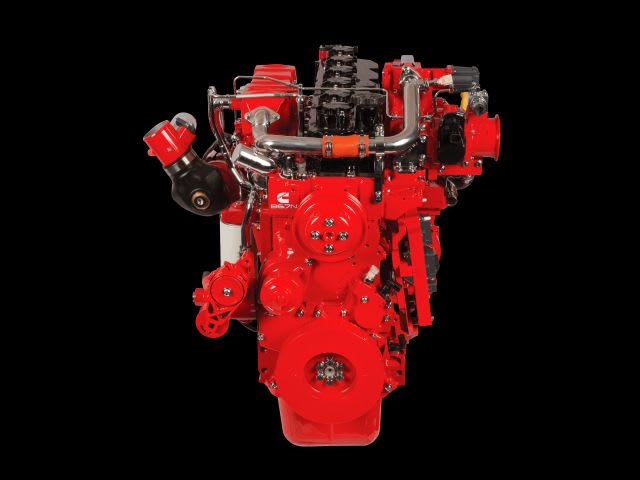
Cummins Westport's 2018 B6.7N can run on CNG, LNG, or RNG.
1 min to read
Cummins Westport's 2018 B6.7N can run on CNG, LNG, or RNG.
VANCOUVER, B.C. — Cummins Westport will introduce its new B6.7N natural gas engine for the school bus market in 2018.
The B6.7N is rated up to 240 horsepower/560 lb-ft. torque. The 6.7-liter mid-range engine is certified to the California Air Resources Board’s optional low NOx standard of 0.1 g/bhp-hr.
Ad Loading...
Rob Neitzke, president of Cummins Westport, said that with more school districts looking to ramp up emission reductions, the B6.7N offers “a low-emissions, reliable product operating on domestically available natural gas.”
The B6.7N features onboard diagnostics, a closed crankcase ventilation system, a new engine control module, and performance and reliability improvements, according to Cummins Westport. A maintenance-free three-way catalyst offers consistent emissions control with no diesel particulate filter or selective catalytic reduction required, according to the company.
Customers can choose to use compressed natural gas, liquefied natural gas, or renewable natural gas with the engine.
The B6.7N is manufactured at Cummins’ mid-range engine plant in Rocky Mount, North Carolina. It comes with a two-year base warranty, with parts and service support by Cummins sales and service.
From federal oversight fixes to state funding milestones and district deployments, the transition to cleaner school transportation continues to advance.
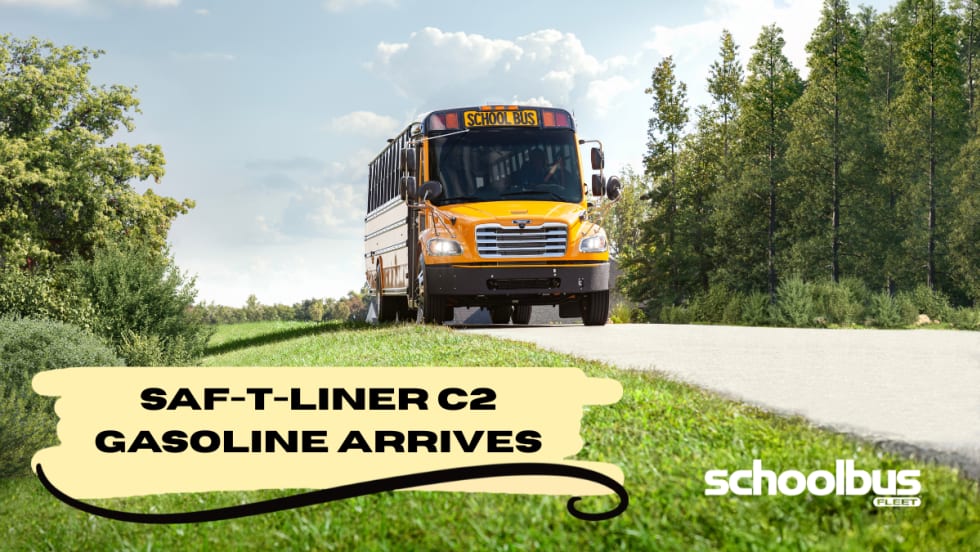
The gasoline-powered bus features the Cummins B6.7 Octane engine and industry-first compression brake, joining the OEM's C2 powertrain lineup for 2026.
Stop reacting to engine lights and start predicting them. This guide reveals how transitioning from a "break-fix" model to a data-driven maintenance strategy can drastically reduce fleet downtime and protect your district's budget. Learn how to transform your garage operations from a cost center into a reliability powerhouse.
InCharge Energy has expanded into Canada through partnerships with RocketEV and Foreseeson, aiming to deliver end-to-end EV charging infrastructure and support for fleet and public-sector customers.
Canada’s first electric school bus report card finds that most provinces are failing the transition away from diesel buses used for student transportation.
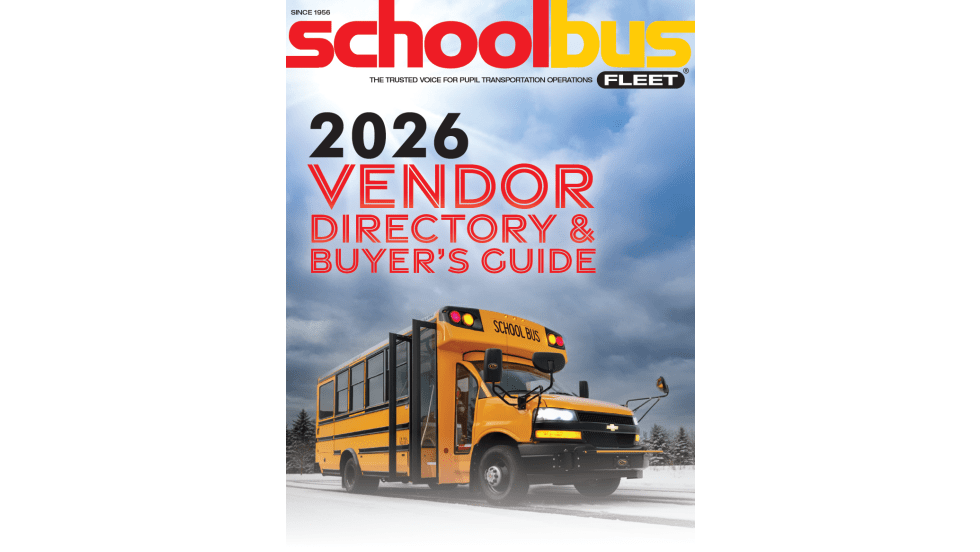
Searching for the right equipment, technology, or services for your school transportation program? This industry guide brings together manufacturers and suppliers across the entire school bus market, all in one place. Download it to find the partners who can help move your operation forward.
Check out some of the latest moves where alternative fuels and school buses intersect, including electric bus and charging deployments, new funding opportunities, and a new management system.
The federal administration called its 2009 Endangerment Finding rescission "the single largest deregulatory action in U.S. history." It eliminates greenhouse gas emission standards for all vehicles and engines for model years 2012 to 2027 and beyond.