




Walking School Bus Program Gets Moving in Central Oregon
A Bend-based nonprofit is creating walking school bus routes throughout the region, with meeting points, timetables, and trained volunteers.


As defined by Safe Routes to School, a walking school bus is a group of children walking to school with one or more adults. File photo courtesy NHTSA

BEND, Ore. — Students in several Oregon counties will have a new way to get to school with the launch of a walking school bus program.
The regional program, led by Bend-based nonprofit Commute Options, covers the central Oregon counties of Deschutes, Crook, and Jefferson and the northern part of Klamath County.
As defined by Safe Routes to School, a walking school bus is a group of children walking to school with one or more adults.
Commute Options announced last month that it is creating walking school bus routes throughout central Oregon. The program is funded by a $123,000 grant from the Central Oregon Health Council.
“Starting in July, we’ll have a full-time coordinator to help communities implement Walking School Buses,” said Brian Potwin, active transportation manager for Commute Options, in a news release.
The program provides meeting points, timetables, and a rotating schedule of trained volunteers to lead the processions. Commute Options said that the volunteer leaders can include parents, teachers, high school students, seniors, business owners, and elected officials.
The news release about the program also points to the health benefits that a walking school bus provides for students.
“The best investment we can make is in our children’s health, and we are always looking upstream to catch poor health choices before they present themselves to kids and adolescents,” said Donna Mills, executive director of the Central Oregon Health Council. “When kids get more physical activity in their daily lives, they often do better in school and they are more likely to become healthy, resilient adults.”
For more information, go to the Commute Options website.
More Management
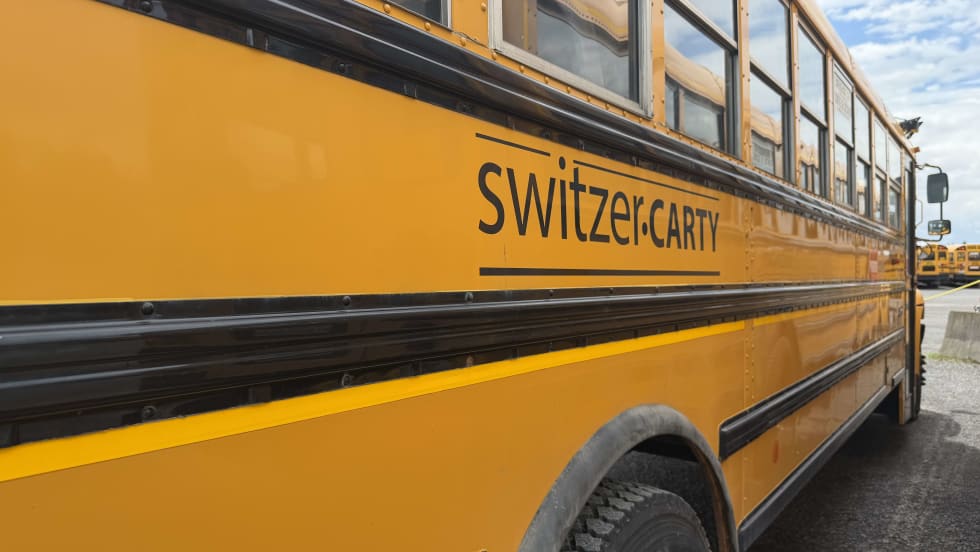
Switzer-CARTY Enters the U.S. with New Acquisition
The Canadian contractor’s acquisition of Minnesota-based Agnes Corporation marks its first cross-border expansion into the United States and adds 350 vehicles.
Read More →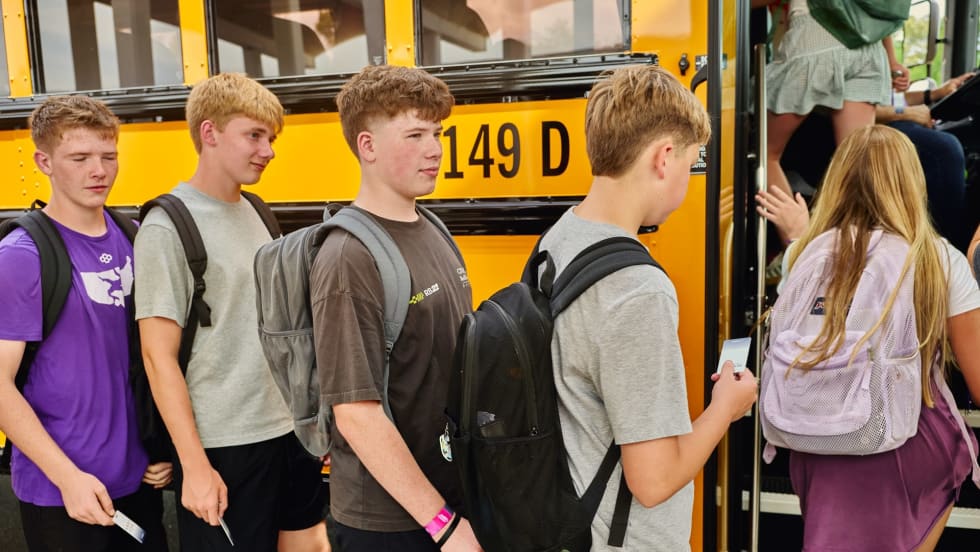
BusRight Adds New Rider Tracking Technology
Safety Pass is an NFC-based student ridership tracking solution that provides real-time boarding and drop-off data to improve school bus safety and family communication.
Read More →
EverDriven Launches RideAware App With Real-Time Student Ride Visibility
The updated platform’s new features improve communication among caregivers, districts, and drivers while streamlining trip updates.
Read More →
How School Transportation Departments Can Help Acclimate New Riders to the Bus
Here's how transportation departments can turn first-day jitters into confidence for students and parents alike.
Read More →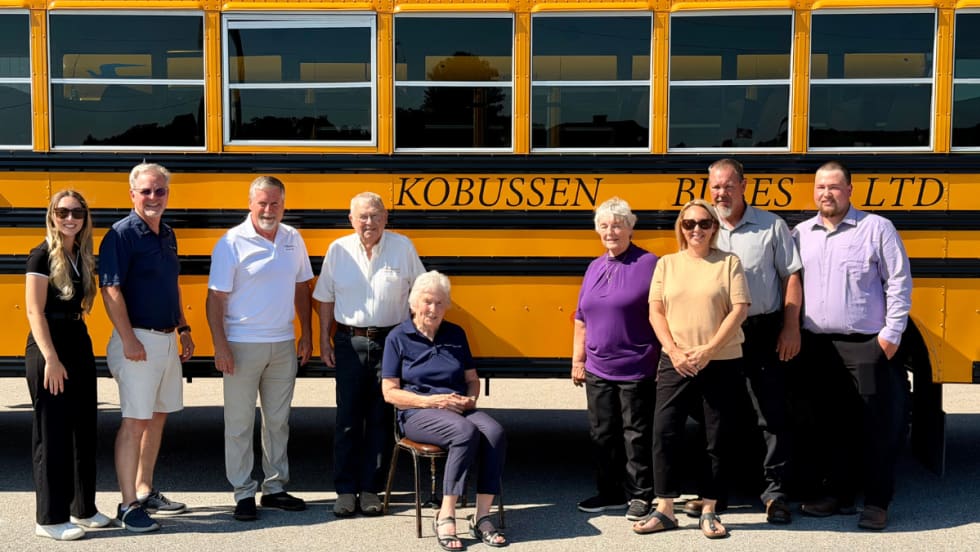
Neighbors Helping Neighbors: Nearly 90 Years of Safely Transporting Wisconsin Students
From one farmer's act of service to a fourth-generation family business, Kobussen Buses reflects on nearly 90 years of earning the trust of Wisconsin families.
Read More →
Changing Lanes: AMF Bruns, Pro-Vision, CALSTART, HopSkipDrive, & Kooner
Check out who's been hired, promoted, and appointed to leadership positions at various school transportation industry suppliers and nonprofits.
Read More →
NCST Announces 18th Congress Event Dates, New Committees
The National Congress on School Transportation moves to St. Louis in May 2029, convening delegates and industry representatives to discuss new best practice recommendations. Now, the new committee chairs have been named.
Read More →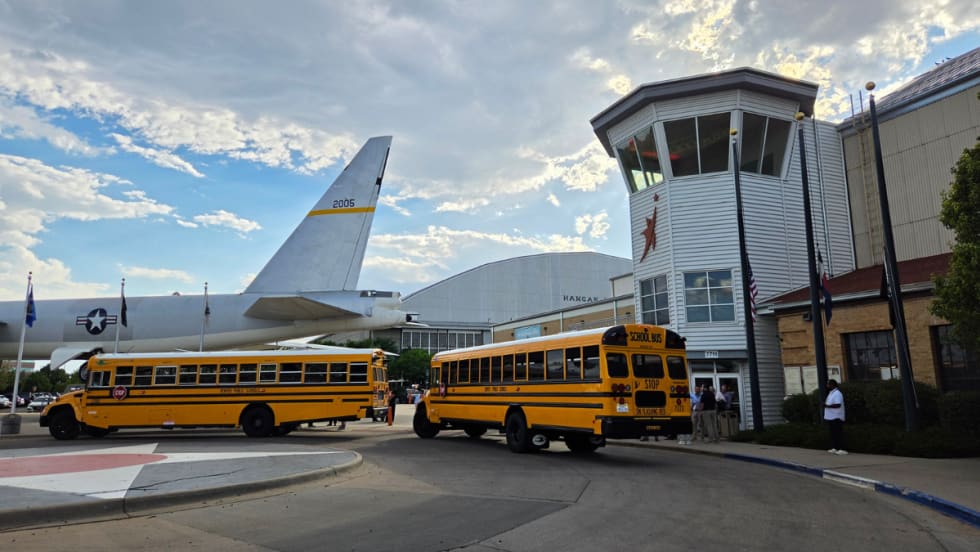
Key Moments from the 2026 NSTA Annual Meeting in the Mile High City
From federal policy updates and OEM presentations to speed networking and industry awards, see photos and highlights from the contractor association’s summer conference in Denver.
Read More →
HopSkipDrive Launches Spanish-Language App Update, Plans Additional Language Support
The update aims to improve communication with multilingual families by offering ride tracking, notifications, and support in Spanish, with more languages planned for the 2026-2027 school year.
Read More →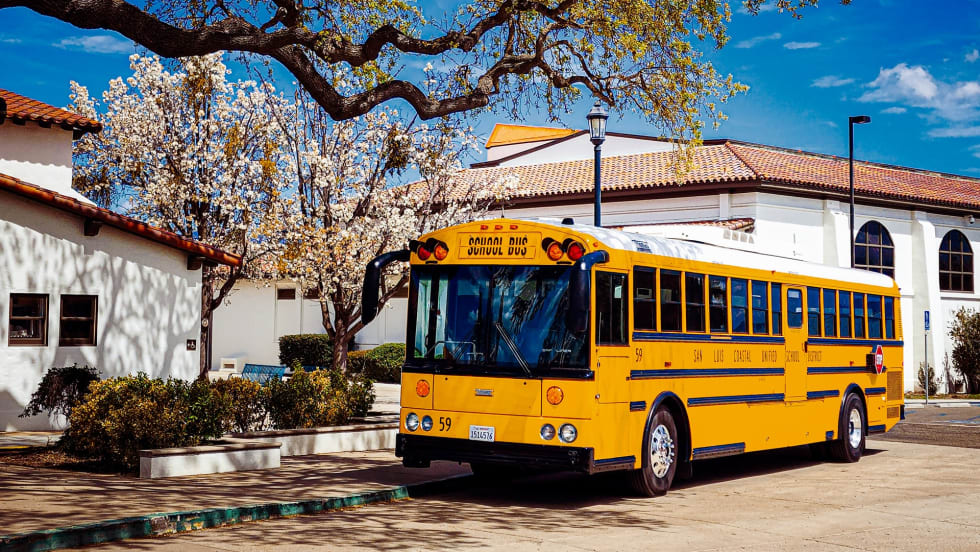
Where the Yellow Bus Takes Us: School Bus Fleet's 2026 Photo of the Year Winners
See the winning photos from School Bus Fleet's 2026 Photo of the Year contest, featuring stunning school bus images from across the U.S., from scenic landscapes to everyday moments.
Read More →