



Q&A: NASDPTS President Charlie Hood on Funding Challenges, Work With Feds
State directors are battling budget shortfalls, but NASDPTS President Charlie Hood says that they remain optimistic. The association’s work with federal agencies and other industry groups targets the betterment of school transportation.


Charlie Hood knows budget cuts. The Florida state director says that his state's support for pupil transportation has been reduced 13 percent over the past two school years.
But as Hood and many other state directors deal with decreases in resources, demand for school bus service has increased. The challenge, Hood says, is doing more with less.
SBF Executive Editor Thomas McMahon interviewed Hood as he prepared to begin his second year as president of the National Association of State Directors of Pupil Transportation Services (NASDPTS). He shared his insights on such timely topics as the aforementioned funding challenges, working with federal transportation agencies, and the association's conference in Louisville, Ky.
SBF:What were the key developments in the first year of your term as president of NASDPTS?
CHARLIE HOOD: Fortunately, Derek Graham, immediate past president, handled all the tough issues before his term ended, like our comments to NHTSA [National Highway Traffic Safety Administration] on the crash protection rulemaking, for instance!
The overriding issue this last year has been the continuing decline of resources devoted to student transportation due to the nation's economic challenges, while the demand for student transportation services has been increasing. We have a perfect storm of more demand for service at a time of decreasing supply. At the same time, we're promoting the "green" benefits of school buses in reducing overall emissions and traffic congestion, while facing an estimated 10-percent increase in bus cost as a result of the new 2010 federal emissions standards.
There has been increased public awareness and regulatory effort aimed at reducing texting while driving and other forms of distracted driving. NASDPTS wrote a letter recently to the U.S. Senate sponsors of the ALERT Act, a measure that would require states to prohibit texting while driving. We're also keeping an eye on the U.S. Department of Transportation's response to the National Transportation Safety Board's findings and recommendations in several high-profile motorcoach crashes. Derek represented us at a meeting with Secretary Ray LaHood on Sept. 15 to discuss their upcoming Motorcoach Safety Action Plan and will be reporting on that at our conference in Louisville.
One of the most visible and important developments is the successful launch of the School Bus First Observer security training program this summer. Helping the Transportation Security Administration (TSA) and its contractors get this successor to School Bus Watch off the ground required a lot of effort by NASDPTS and the other associations.
What are your expectations for your second year?
Internally, we'll continue to improve the processes and procedures of NASDPTS. The association will increase its communications to members and complete a significant redesign of the Website [www.nasdpts.org] to make the already extensive content more accessible to users. As part of this effort, we are actively working to update some of our position papers that have proven so useful to members when they are explaining issues to parents and policymakers.
Externally, we will continue providing input to the Federal Motor Carrier Safety Administration on its rulemakings relating to commercial driver licensing. We will encourage the Federal Transit Administration to revive its withdrawn rulemaking to clarify that public transit systems may not provide exclusive routes to and from school serving only school students. We will continue to support TSA in finalizing its congressionally mandated school bus security risk assessment and its other security measures and programs, like School Bus First Observer.
As one of the member associations of the American School Bus Council (ASBC), NASDPTS will be lending considerable support to the ASBC's strategy of securing increased federal funding for school bus transportation. That strategy will help the ASBC achieve its primary mission of maintaining and increasing school bus ridership for all the reasons that are well known to your readers: safety, environmental benefits, reduced traffic congestion around schools, security and ensuring continued access to learning for all students.
What are some of the top challenges that many state directors are facing?
The first word that would come out of most of our mouths is "funding." Reduced budgets are causing many of us to delay bus purchases, delay or defer training, operate with fewer staff and reduce our daily contact with our customers due to travel restrictions, and states' representation at the upcoming 15th National Congress on Student Transportation may even be reduced. Most state directors I talk to are optimists and believe this situation will improve, but that is our current reality.
What about in your state?
Florida is among the states that are hardest hit by current financial difficulties. Florida derives most of its revenue from sales taxes and property taxes. Due to a combination of recent events, such as hurricanes, the resulting insurance costs, the housing meltdown, reduced consumer travel and spending, and high unemployment, we have seen significant reductions in revenue, starting in 2007-08.
The issue for those of us in education, both at the state and the local level, is having to do more with less. School districts are keeping their buses longer, consolidating bus stops into fewer stops farther from students' homes, reducing out-of-zone transportation to choice programs, and eliminating transportation of students who live within two miles of school.
Florida's state support for student transportation has been reduced 13 percent since the start of the 2007-08 school year. State economists predict that Florida's economic climate will recover by the 2011-12 school year. In the meantime, we are doing our best here in the Department of Education to continue providing services to school districts, and the districts are, in turn, doing everything they can to reduce costs while maintaining safety and access to learning for Florida's school students.
What do you expect to be some of the highlights of this year's NASDPTS conference in Louisville?
The biggest highlight will be our featured speaker, Harold Dennis, a survivor of the Carrollton, Ky., bus crash in 1988 that killed 27 passengers. He has achieved success in life while dealing with physical disfigurement and survivor guilt. He walked on to the University of Kentucky football team, has been featured on several national news shows and is the subject of the film The Phoenix. He is now a successful businessman in Kentucky, and we are honored that he will be headlining our conference.
More Management
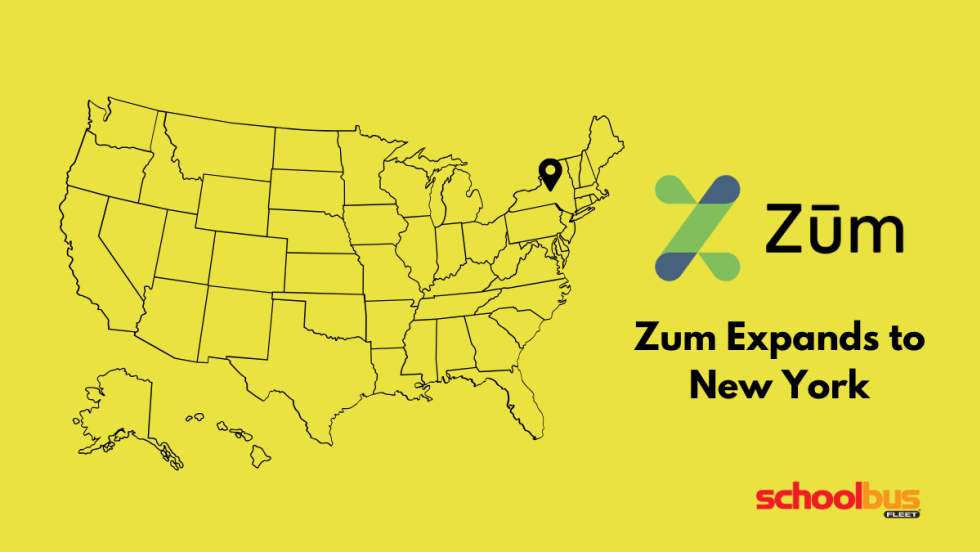
Zum Reaches 19 States With New York Expansion
The addition of the Empire State to the student transportation company's roster marks a growing expansion in the Northeast as it scales its tech and school bus services.
Read More →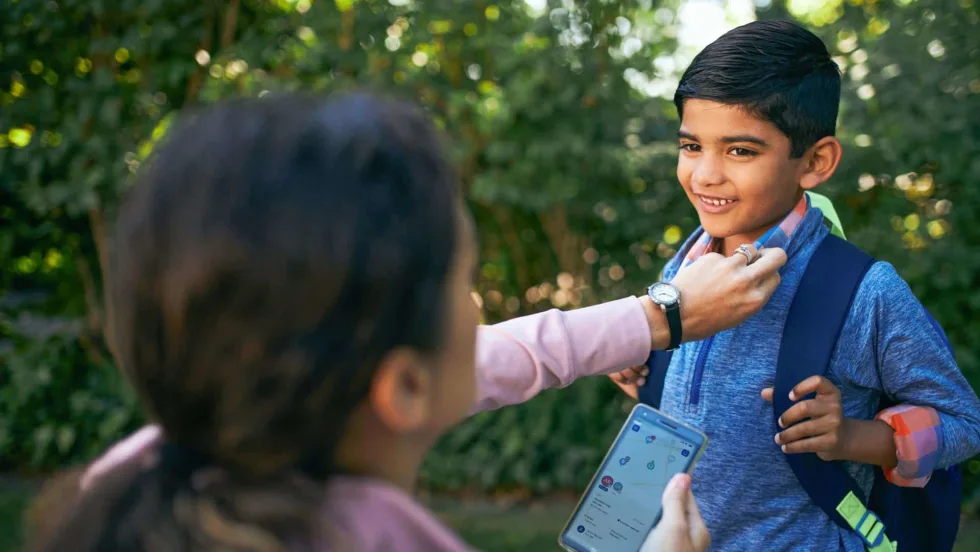
First Student Updates Its Parent App
First View connects both yellow bus and alternative transportation, giving families one platform to track student trips for the new school year, with 15 languages supported.
Read More →
The Back-to-School Checklist Every Director Should Complete Before the First Bell
Help your transportation team start the school year strong with these tips for contingency planning, communication, fleet visibility, technology, and trip management.
Read More →
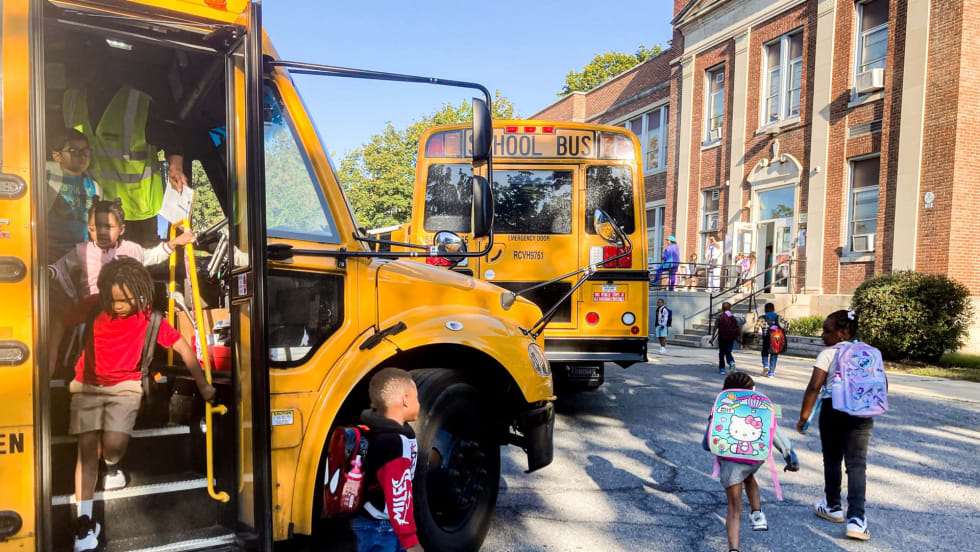
How a New York District Cut Nearly $1M in Transportation Costs While Expanding Bus Access
A data-driven overhaul with BusRight reduced Poughkeepsie City School District's planned routes from 26 to 17 while extending school bus service to about 1,200 additional students.
Read More →
Budgets Down, Enrollment Shifting: What the Data Says Districts Should Watch
School transportation departments face two converging challenges this year: tightening budgets and shifting enrollment. Most districts still address these issues separately, but the assumption that either trend will simplify operations is proving incorrect.
Read More →
These 8 School Transportation Companies Made the 2026 Inc. 5000 List
Find out which school transportation contractors, technology providers, and suppliers ranked among America’s fastest-growing private companies.
Read More →
The Link Between Emotional Intelligence and School Bus Safety
How can emotional intelligence help transportation pros navigate stress, manage change, and build stronger relationships? Listen to find out.
Read More →
What Emotional Intelligence Has to Do With School Bus Safety
In this video, discover how emotional intelligence can help transportation leaders and drivers navigate stress, manage change, and build stronger relationships. The Route is sponsored by IC Bus.
Read More →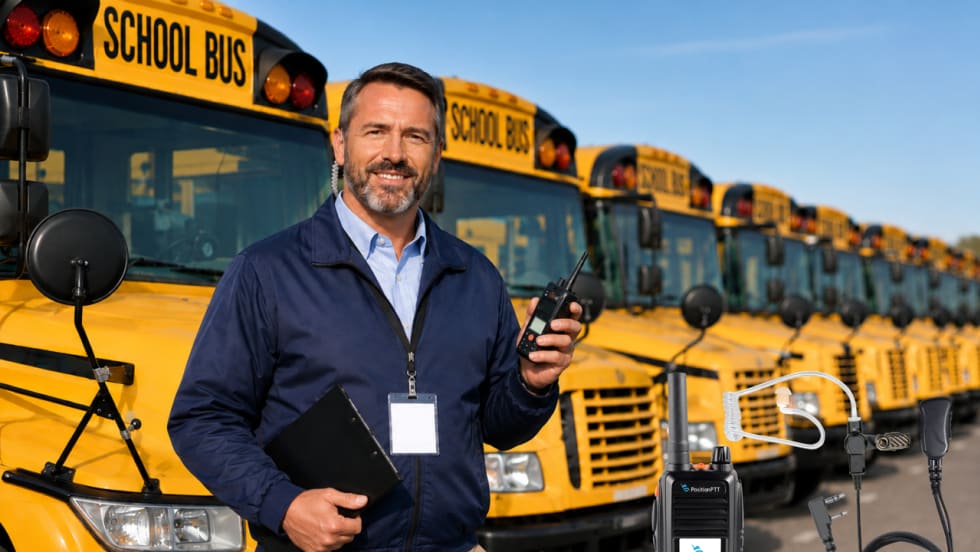
Beyond Two-Way Radios: School Bus Communications Evolve With Push-to-Talk Over Cellular
PRYME Radio and PositionPTT join forces to advance hands-free radio use and reduce distracted driving. See how PoC compares with traditional radios on range, cost, safety, and connectivity.
Read More →
Have School Districts Adapted to Bus Driver Shortages or Simply Accepted Less Service?
According to a recent report from HopSkipDrive, many districts appear to have recalibrated what "normal" transportation service looks like.
Read More →