




8 Ways to Optimize the Use of School Bus Video Surveillance
To make sure you’re getting the best use of the surveillance systems on your buses, consider these eight practices that can help improve student behavior, identify training needs and support your drivers.
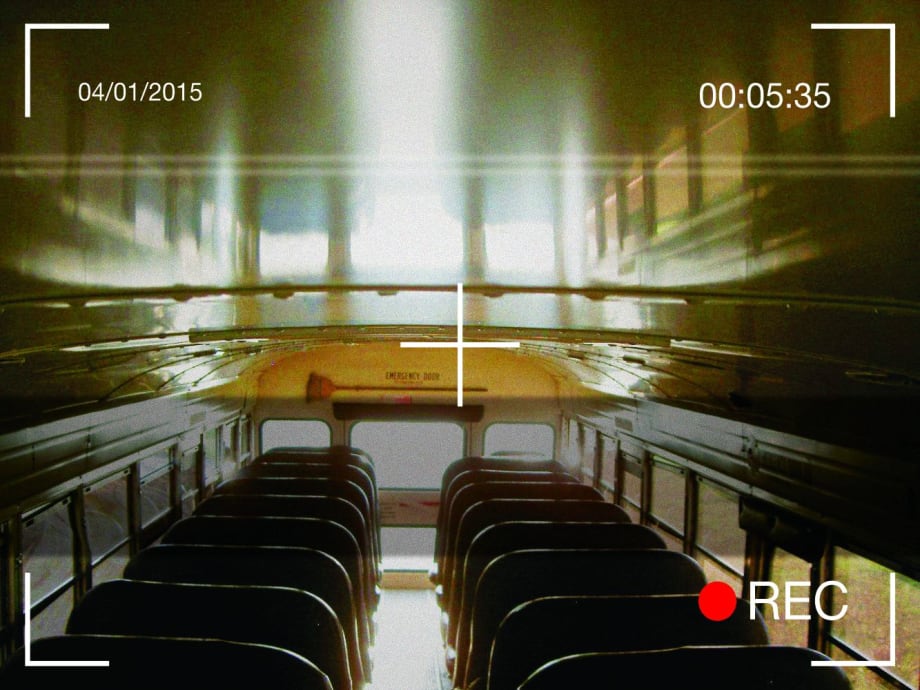
Photo by John Horton
School bus surveillance, like all other technology, has evolved rapidly.
What may not have kept pace with this evolution is the use, policy and practice employed as new equipment is purchased. You may have a Porsche and be using it like a Yugo.
So just what can a current system do, and how can you best use the capability it offers? Here are eight practices that can help optimize the use of school bus video surveillance systems.
1. Add more 'eyes' on discipline
Extra “eyes” on students in our least-supervised student environment has always been one of the prime motivations — in many cases the only motivation — for school districts to install bus video. Yet we have often been frustrated with the results. With one or even two cameras, incidents frequently occur just out of range.
Current four-, six- and eight-channel digital video recorders are available and are cost effective. Couple this with lower camera cost, higher resolution and better longevity, and multiple-camera deployment in our buses is a much more viable and attractive option.
Our school bus drivers have the most difficult student supervision task in schools. With as many as 80 students, ages 5 to 17, all behind you in a large vehicle rolling along at 45 mph, this is classroom supervision on steroids.
With bullying so much of a concern, multiple cameras help to ensure accurate intervention. Swift, accurate and appropriate intervention for inappropriate student behavior will serve as a deterrent.
2. Reinforce positive behavior
Bus video surveillance can be more than disciplinary. Utilize the video record for equally swift, accurate and appropriate rewards for positive behavior, and that behavior will be encouraged. This can be transformative for the bus ride home.
Most systems can capture an audio record in addition to the video record. This can be extremely illuminating: What appears to be a simple conversation can be a severe case of verbal bullying. Equally, what looks like a near fight can be an exuberant discussion of last night’s football game.
A word of caution here: Audio recording is covered under a different statutory requirement in most states. Check with your legal counsel for the specific requirements in your state before implementing an audio recording protocol.[PAGEBREAK]

Guy Bliesner
3. Check school bus speed
Most current systems offer onboard GPS, creating route logs that record ground speed along the way. The route logs provide a quick reference when resolving an angry phone call about the “speeding bus in my neighborhood” from a concerned citizen.
Simply pull the trip record and check the ground speed along the route at the point in question. Then, armed with accurate information, appropriate action can be determined. Either the driver of the bus will be counseled, or, as is often the case, the citizen will receive a call noting the actual speed of the bus.
We who work in transportation all know that large vehicles are often perceived to be traveling faster than they really are. Accordingly, 19 mph is not considered speeding in a 25 mph zone.
4. Bolster risk management
The risk management benefits of the newer surveillance systems are numerous, but, like insurance, you only need them when you need them. Given the litigious nature of modern society, it may not be enough to do the right thing — unfortunately, it may not be what you did, but what you can prove you did.
Most current systems can create a record of the use of stop arms, stop lights, caution lights, door openings, excessive speed and hard stops, and this will include time, date and location of the event. This will be in addition to the video/audio record of the event. This capability provides an objective record of any incident that may take place — courts love objective records.
5. Identify training needs
The records provided by a school bus surveillance system can be highly useful in determining the needs for ongoing driver training.
Random audits of route records can take the place of supervisor ride-alongs and are much more time efficient — several audits can be done in the same amount of time as riding on one route.
6. Target stop-arm violations
Ten years ago, as the health, safety and security coordinator in a school district, we worked with a major manufacturer to develop what we believe were the first stop-arm cameras. Now, multiple suppliers offer stop-arm camera systems.
At our district, the stop-arm cameras proved highly effective as an enforcement tool and, coupled with a public relations campaign, provided a strong deterrence effect — so much so that reported stop-arm violations dropped by more than 45% in the two years following deployment and have remained at the lower level.
Fewer stop-arm violations equals safer kids and fewer frustrated school bus drivers.

Brian Armes
7. Protect your drivers
Another important use for video surveillance is protecting your school bus drivers.
Drivers may be a bit resistant to the installation of a new system or full use of a current system. However, in the case of a less-than-honest student accusing a driver of improper action, an objective record can save — and has saved — jobs, careers and reputations. Remember, courts love objective records.
8. Set operational procedures
One last note: As you go down this road and utilize the capabilities that current technology offers, you need to be aware that you will have created a “mission critical” system. In other words, the new expectation will be that a video/audio/data record exists and that it will be available upon request.
Responding to the higher level of expectation, school bus fleet operators will likely find themselves instituting a new series of operational procedures.
• First, it will require a written agreement with your supplier that your systems must be consistently operational.
• Next, it will necessitate a system check added to your pre-trip procedure.
• Additionally, fleets will likely need some inventory of spare parts and the ability for next-day replacement.
Ultimately, as audio/video/data records become the expected norm, systems that guarantee durability, serviceability, maintenance and support should be given primary consideration in future purchasing decisions.
As noted above, once you go down the road of audio/video/data recording, you will have created a common expectation. As such, “the system was broken” is likely to be a highly unsatisfactory answer to everyone involved. Most certainly, it will be a highly unsatisfactory answer for you.
Guy Bliesner and Brian Armes, both longtime educators, are the founding partners of Educators-Eyes, a school safety, security and risk management consulting firm. As educators first, they bring a uniquely education-centric perspective to all aspects of school safety. To learn more, find them at www.educatorseyes.org.
More Safety
2 Killed, Dozens Injured in Florida School Bus Crash
A multi-vehicle collision caused a Polk County school bus carrying 37 students to overturn on its way to Winter Haven High School.
Read More →
Illegal School Bus Passing Drops 24% in New York Districts
With fewer than 5% of citations involving repeat offenders, Westchester County officials said enforcement, education, and community partnerships are helping change driver behavior.
Read More →
School's Back. Here's What Happened to Traffic, Speeding & Distraction
What happens to traffic when school resumes? New data analysis examines changes in distracted driving, congestion, and speeding around schools.
Read More →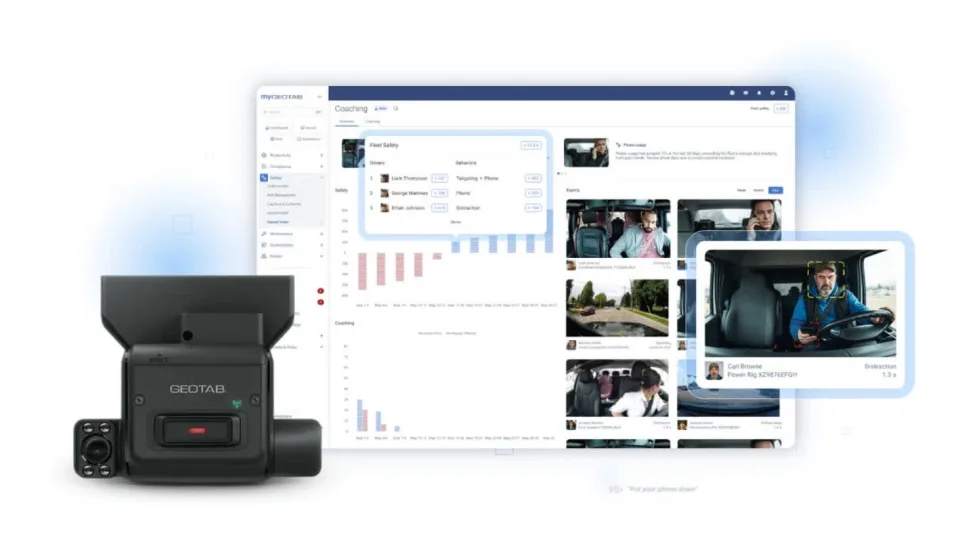
Geotab Expands Fleet Safety Tools With Video Coaching, Risk Insights
New safety and video capabilities aim to help fleet managers assess risk, support drivers, and take targeted action through video coaching, red-light violation detection, and more.
Read More →
How to Build a Better School Bus Driver Training Program
Is it time to strengthen your driver training? Here’s how to pick the right talent and improve recruitment, retention, and safety. This video is brought to you by IC Bus.
Read More →
Recent School Bus Accidents Leave 2 Dead, 2 Injured
Four school bus crashes in Florida, Illinois, and Georgia highlight risks in transportation lots, at bus stops, and during student loading and unloading.
Read More →
When Every Second Matters, Clarity Keeps Routes Moving
From routine delays to urgent incidents, strong communication practices help drivers, dispatchers, schools, and families respond with confidence.
Read More →
What Happens When a School Bus Catches Fire — and What Can Help
School bus fires are rare but can be devastating. Learn how advances in fire suppression and asset protection help fleets detect fires earlier, reduce damage, and improve safety.
Read More →
Geotab Launches Tool to Help Fleets Investigate Road Incidents
Geotab Investigations combines telematics data, video, documents, and other evidence to help fleets reconstruct incidents, resolve claims, and determine what happened.
Read More →
Texas Sixth Grader Wins 2026 National School Bus Safety Poster Contest
Sai Darshana Yekolu of Moseley Middle School in Prosper, Texas, was named the newest winner for her artwork, bringing the theme of “Safe Rides, Everyday Heroes” to life.
Read More →