


 MENU
MENU SEARCHMENUSEARCH
Loading data...
The company reported higher net sales compared to 2021, with the EPA’s Clean School Bus Program and expansion into the last-mile delivery market as reasons for an optimistic 2023.
Read More →
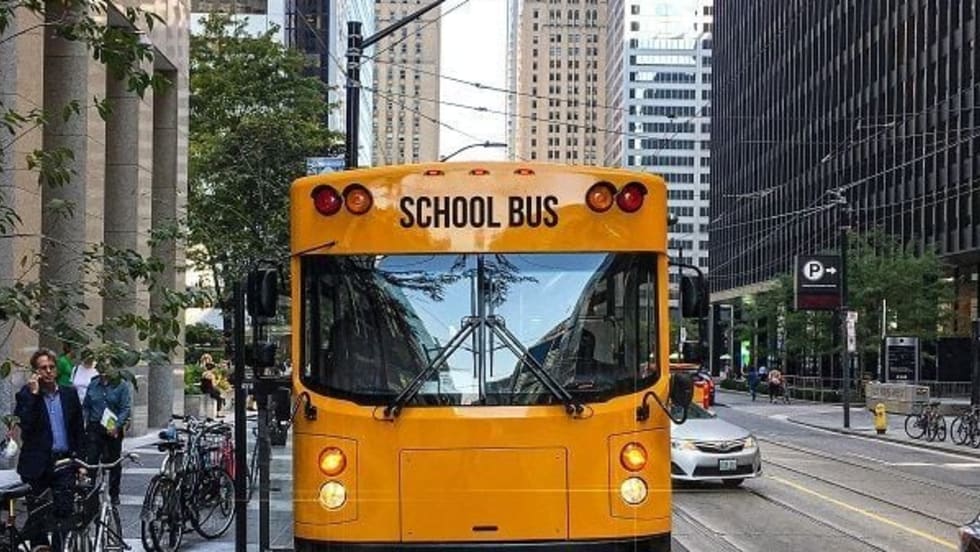

Not only did the EPA get enough demand to exhaust the $500 million during the first round of funding from the Bipartisan Infrastructure Law, but they also felt compelled to nearly double the pot to help as many applicants as possible.
Read More →The company celebrated the opening of its new facility in West Virginia, launched electric school bus pilot programs, and helped districts prepare submissions for the EPA's Clean School Bus Program.
Read More →New York and California topped the list of recipients for total funding, but a significant number of states in the southeastern U.S. - some that never had an electric school bus before - made it into the top 10.
Read More →Applicants have until 11:59 p.m. Eastern on Aug. 19 to enter the first round of funding made possible by the Bipartisan Infrastructure Law, which allocates $500 million for clean and zero-emission school buses.
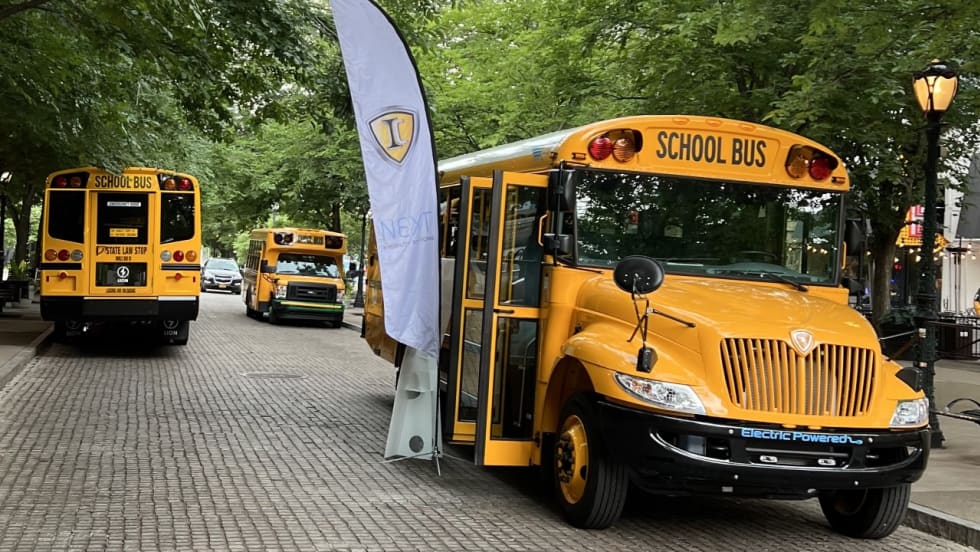
Read More →The Region 6 office invited 130 independent school districts to check out four electric and emission-free buses to promote the EPA's Clean School Bus Program.
Read More →The Minnesota Pollution Control Agency aims to help non-prioritized applicants get the most funding possible for new battery-electric school buses in tandem with the EPA's Clean School Bus Program.
Read More →An Aug. 19 deadline awaits districts that want to take advantage of federal funding from the U.S. Environmental Protection Agency.
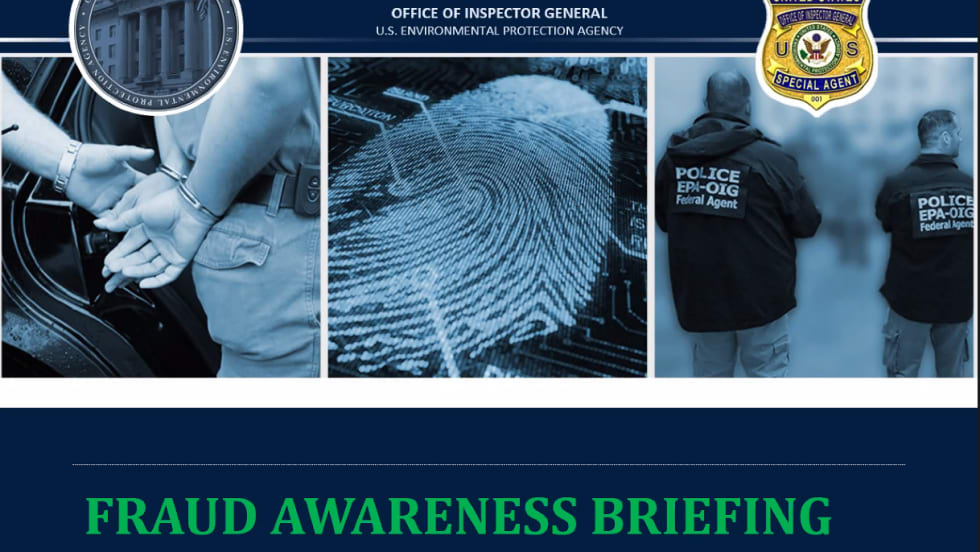
Read More →During a Clean School Bus Program webinar, investigators shared warning signs of fraud and gave tips to mitigate risks.
Read More →In a letter addressed to EPA Administrator Michael Regan, legislators want changes to eligibility and prioritization criteria to avoid keeping some districts locked out of the federal program.
Read More →