


 MENU
MENU SEARCHMENUSEARCH
Loading data...
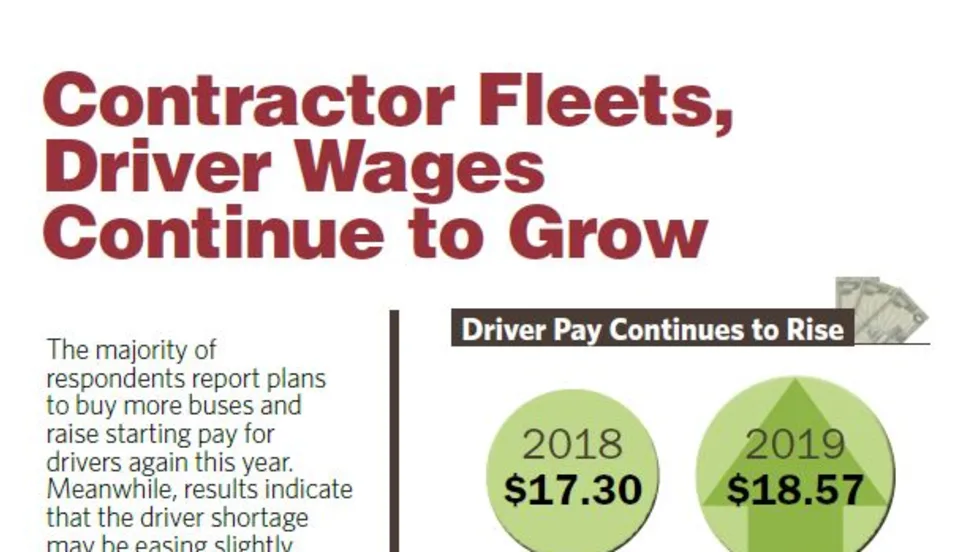
The majority of respondents report plans to buy more buses and raise starting pay for drivers again this year. Meanwhile, results indicate that the driver shortage may be easing slightly.
Read More →
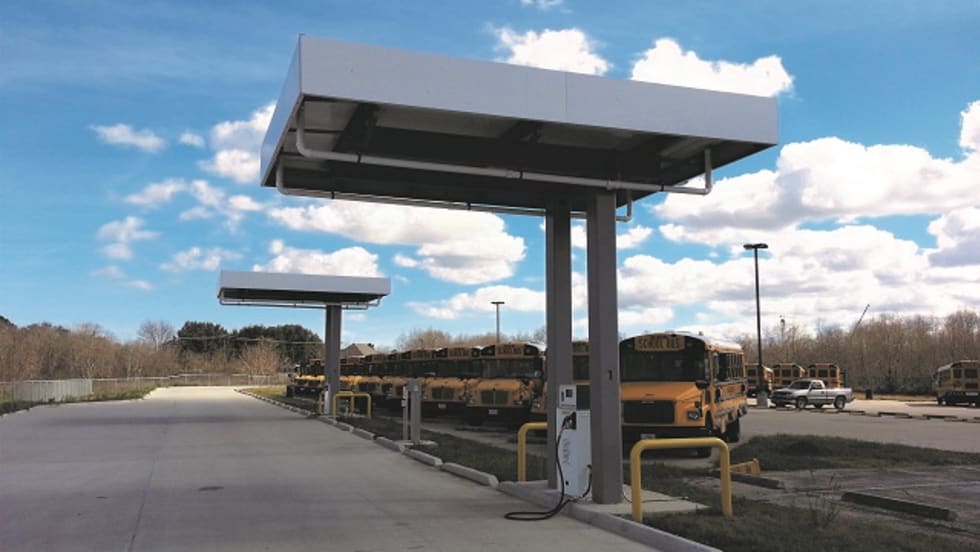
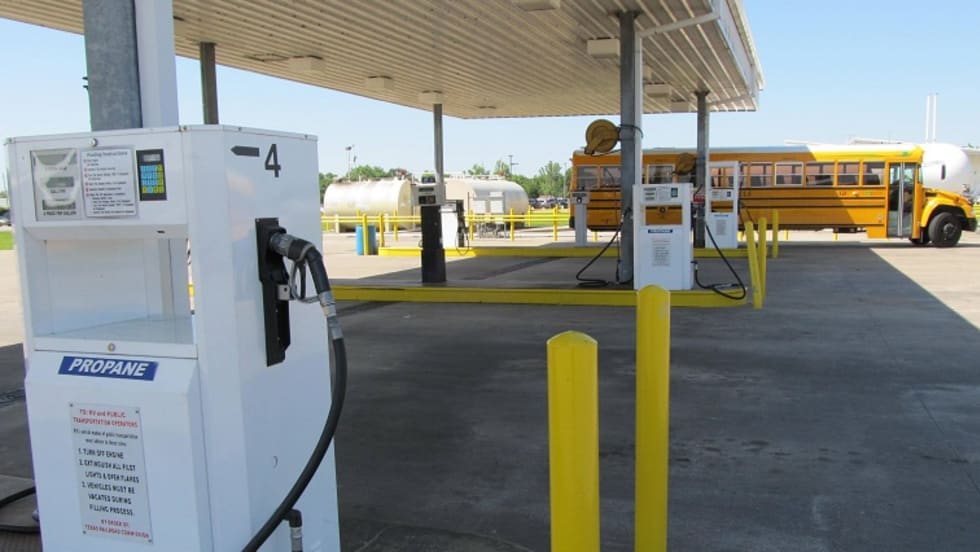
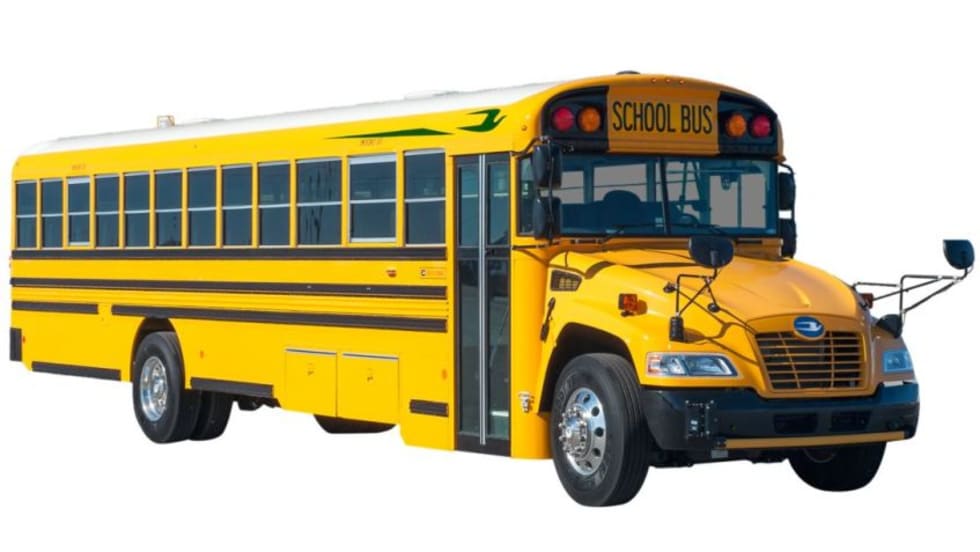


Chris Llewellyn, divisional maintenance manager for Pacific Western Transportation, discusses how the company has seen lowered fuel costs and reduced emissions from running the largest propane-powered fleet in Canada, as well as minimal technician shortage.
Read More →Customized fueling stations, fuel removal systems, and scheduled EV charging are some of the latest alt-fueling options dedicated to enhancing the efficiency and productivity of pupil transportation.
Read More →Whether your buses run on propane, CNG, biodiesel, or electricity, the U.S. Department of Energy’s Station Locator can help find the appropriate fueling station.
Read More →The bus, which is now available for purchase, features an engine that is 90% cleaner than the national emissions standard, according to Roush CleanTech.
Read More →SBF's Maintenance Survey finds that the average starting wage for school bus technicians is $19.37 per hour, on par with last year’s jump. Meanwhile, the driver-to-tech ratio rises slightly.
Read More →Includes such information as bus classifications for each offering from the large and small school bus manufacturers, suspension type for chassis, and fuel type for available engines.
Read More →Nearly $13 million of the state’s $64.8 million in mitigation plan funds will go toward replacing aging diesel school buses with new diesel-powered, electric, or other alt-fuel buses.
Read More →The California Energy Commission will award up to $78.7 million to replace aging buses, $13 million for electric vehicle infrastructure, and $2.4 million for CNG fueling infrastructure.
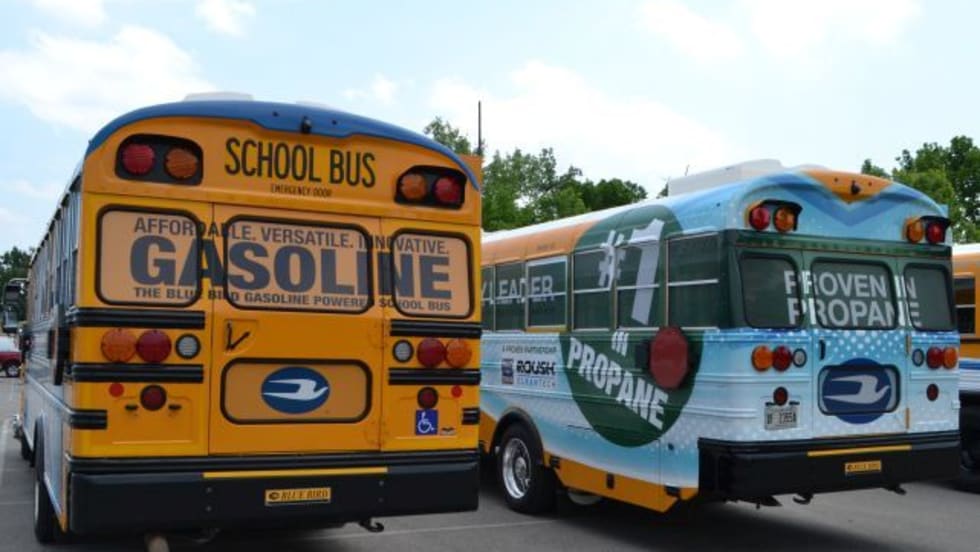
Read More →The partners have reportedly deployed more than 16,000 propane, CNG, and gasoline-powered school buses since 2012.
Read More →