


 MENU
MENU SEARCHMENUSEARCH
Loading data...

Students with osteogenesis imperfecta have bones that break easily. In spite of the urgency of a school bus evacuation, these passengers must be moved slowly and carefully.
Read More →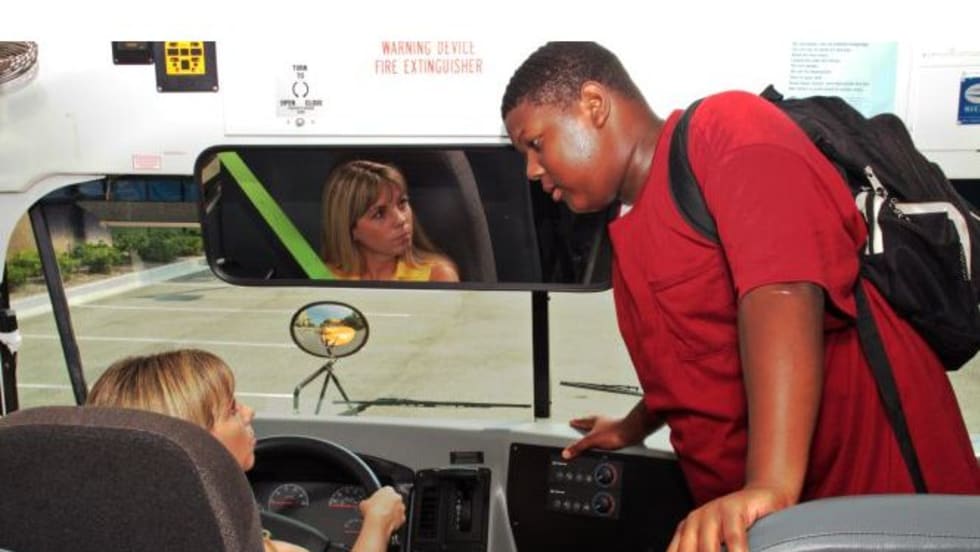

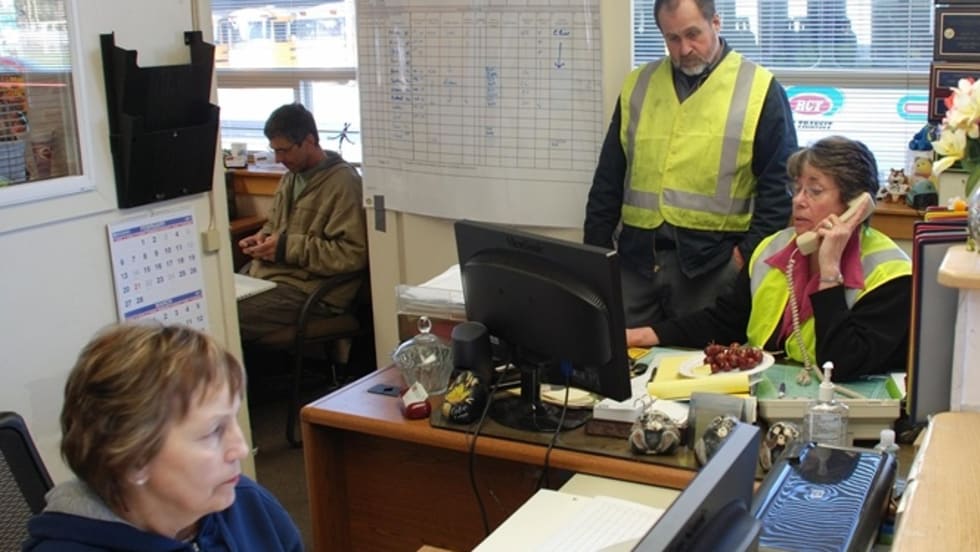
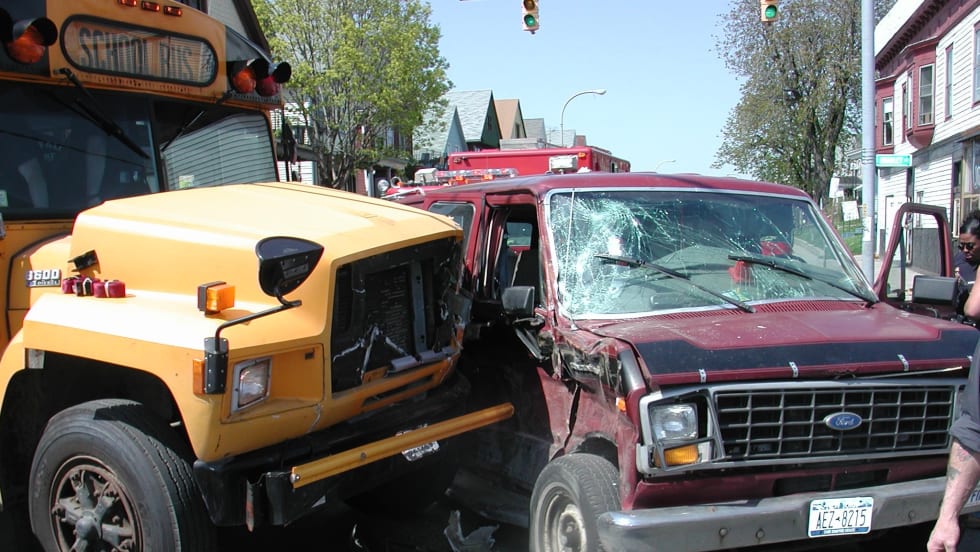
The set of DVDs from Safe Havens International will cover such topics as why video tabletops and mental simulation exercises are effective at improving employees’ performance under life-and-death conditions. The organization has been using the scenarios in the videos for training purposes at school districts and to evaluate their level of preparedness. Safe Havens Executive Director Michael Dorn discusses the findings with SBF.
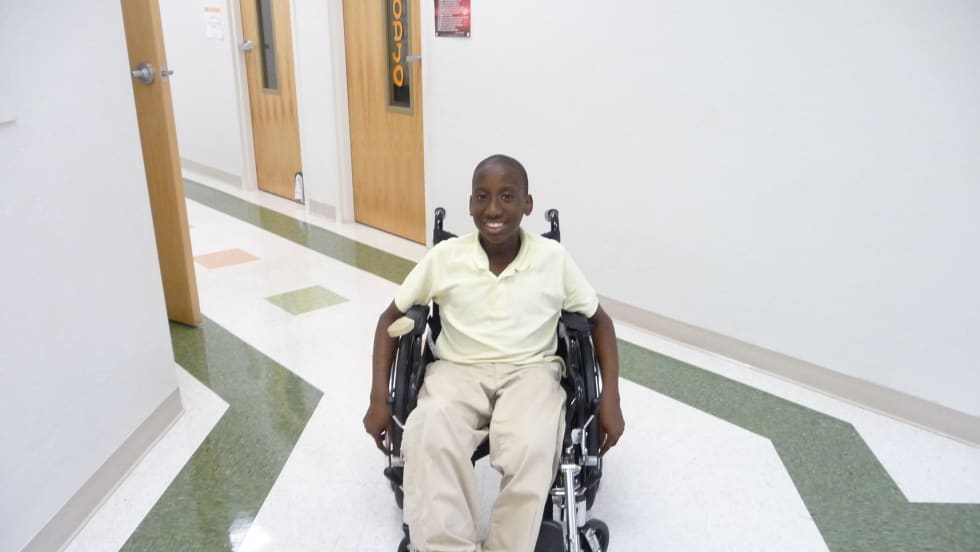
Read More →This condition is a birth defect that involves incomplete development of the spinal cord, often resulting in paralysis of a student's lower extremities. Many with spina bifida will be totally dependent on the bus staff, so a well thought out evacuation plan is critical. Part 4 of this series also covers spinal cord injuries.
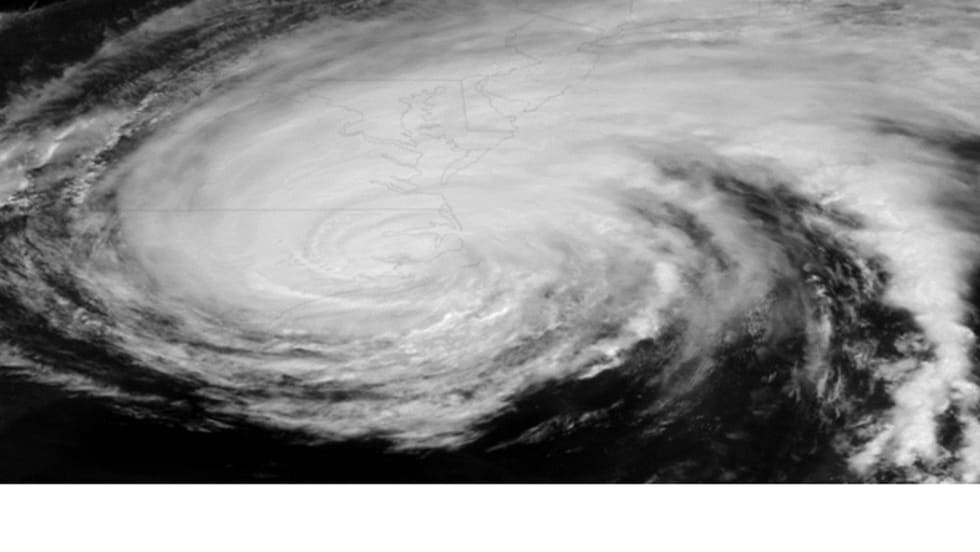
Read More →Hurricane Irene, which caused extensive damage on the East Coast over the weekend, brought to mind the need for school bus operations to have procedures for just such an emergency. The Florida DOE's hurricane outreach plan document is available to download.
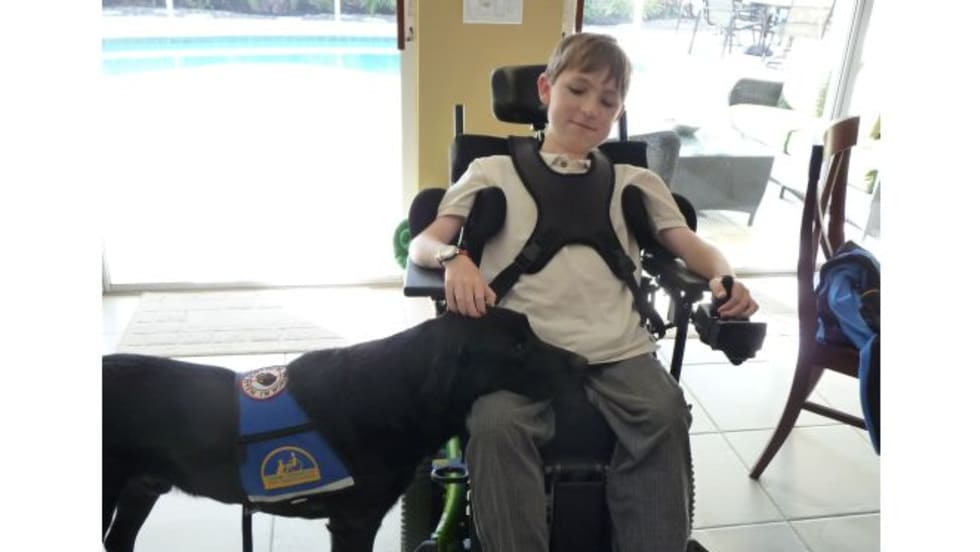
Read More →Part 2 of this series focuses on Duchenne muscular dystrophy, which causes deterioration of muscle tissue in boys. Knowing how to lift these passengers properly is critical for a safe emergency exit from the bus.
Read More →The boy only sustains lacerations after falling out of the bus' rear emergency exit. District officials say freeway noise may have prevented the driver from hearing an alarm signaling that the door was open. When an attendant goes to check on the student, she sees the door is partially open and that the boy is not in the bus.
Read More →Company officials present the vehicle’s keys to the executive director of Hale Empowerment and Revitalization Organization Inc., which is working on recovery efforts in the wake of tornadoes that recently swept through the state. Navistar also donates $50,000 to the Governor’s Emergency Relief Fund.
Read More →After the devastating tsunami hit Japan in March, the West Coast of the U.S. braced for impact. The director of transportation and a driver from a California district share details with SBF on their department's role in evacuating local residents before the surges hit.
Read More →A veteran transportation director discusses the four phases of an emergency response cycle in relation to this type of event and how using them enhances student safety.
Read More →Velma Woodcock pulls off the road after students notify her that a boy on her bus is unresponsive. Woodcock instructs a parent to call 911 while she performs CPR on the student, who was not breathing. She visits the student in the hospital after completing her route.
Read More →