



States Share School Bus Seat Belt Experiences in NHTSA Meeting
Representatives of the six states that have passed school bus seat belt legislation discuss such issues as costs, training, and emergency evacuations.

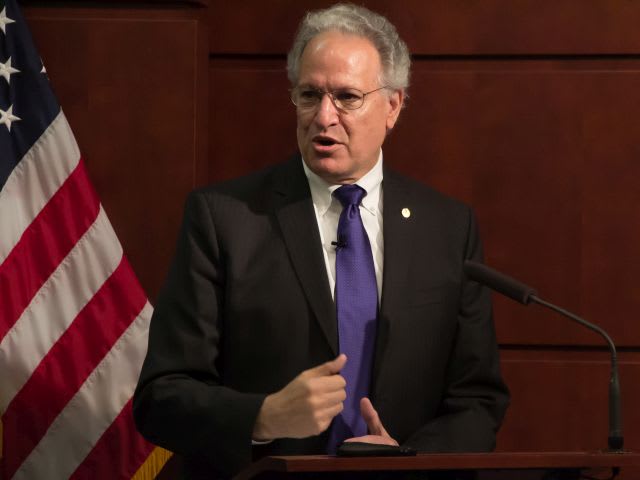
NHTSA chief Mark Rosekind invited representatives of the six states that have passed school bus seat belt legislation to discuss their experiences in a meeting on March 24. Rosekind is seen here at a July 2015 meeting on the seat belt topic. Photo courtesy NHTSA
NHTSA chief Mark Rosekind invited representatives of the six states that have passed school bus seat belt legislation to discuss their experiences in a meeting on March 24. Rosekind is seen here at a July 2015 meeting on the seat belt topic. Photo courtesy NHTSA
WASHINGTON, D.C. — Representatives of the six states that have passed school bus seat belt legislation convened here recently to share their experiences with the National Highway Traffic Safety Administration (NHTSA).
NHTSA Administrator Mark Rosekind sent letters to the governors of those six states in December, asking each to nominate one representative from their state government and one representative from a local school district to take part in the meeting, which was held on March 24.
The participants provided details on the legislation that their states passed, and they discussed such issues as implementation and costs of seat belts on school buses, training, and emergency evacuation concerns. Also, Rosekind said that further meetings will be held to address other school bus safety issues, such as the danger zone around the bus.
California is currently the only state with an effective requirement for three-point belts on school buses. Three other states require lap belts on school buses: Florida, New Jersey and New York. Texas and Louisiana have passed school bus seat belt bills, but both were contingent on funding being allocated to pay for the restraints. Since those two states’ mandates remain unfunded, they have not been enforced.
Also at the meeting were representatives from the National School Transportation Association and the National Association of State Directors of Pupil Transportation Services, who attended as observers.
Look for more coverage on this topic in SBF in the coming weeks.
More Safety
How To Build a More Secure School Bus Yard During and After Hours
As thefts and overnight security threats continue, school transportation leaders are combining stronger operational practices with AI-enabled surveillance to better protect buses, facilities, and staff.
Read More →
FMCSA Names New Chief Safety Officer: What School Bus Operators Should Know
Steve Dowling is set to lead the federal agency's efforts to advance commercial motor vehicle safety and reduce crashes, fatalities, and injuries on the nation's roadways.
Read More →
New Study Finds School Zone Speed Safety Cameras Cut Speeding Violations 97%
A Florida university's research demonstrates that Verra Mobility's automated enforcement changes driver behavior and significantly improves school zone safety.
Read More →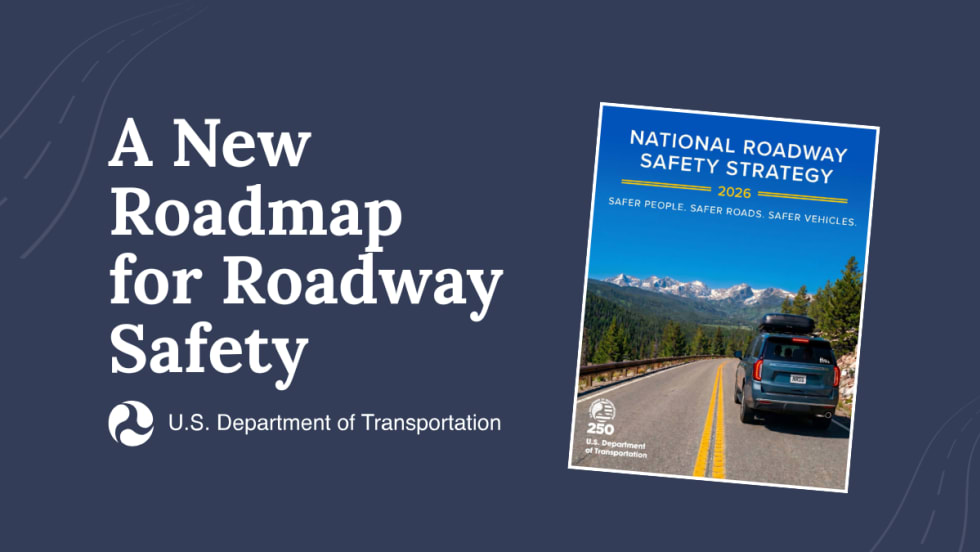
What Changed in DOT’s New National Roadway Safety Strategy?
The federal agency's new plan shifts its focus to safer people, roads and vehicles, with a new three-pronged approach instead of five. One outlined action even addresses a key industry concern around illegal school bus passing.
Read More →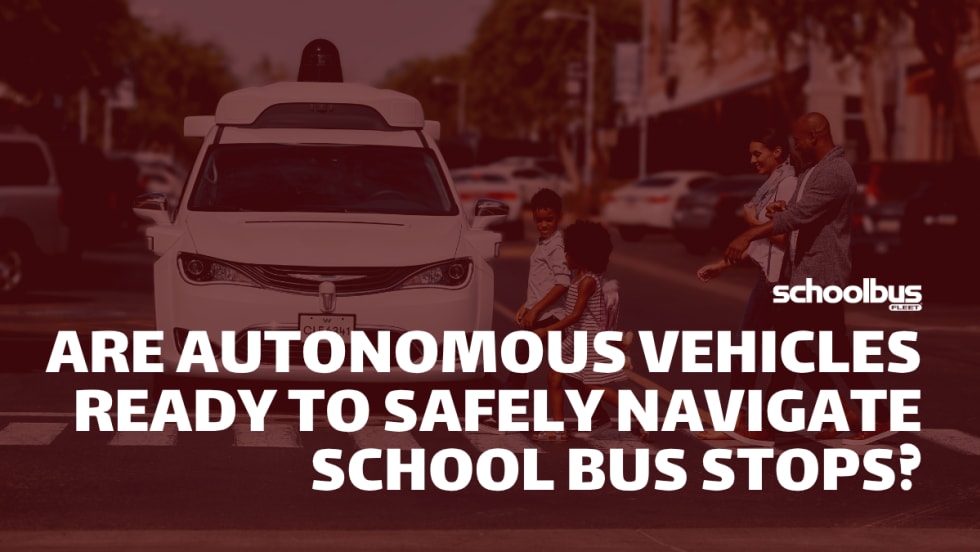
Are Autonomous Vehicles Ready to Safely Navigate School Bus Stops?
NHTSA is accelerating autonomous vehicle deployment through new safety standards and commercial approvals. See why school transportation leaders are watching.
Read More →
NFL Star Lomas Brown Kicks Off New Illegal School Bus Passing PSA
Just in time for the back-to-school season, the former Detroit Lions offensive tackle took time to record a video encouraging motorists to slow down around school buses.
Read More →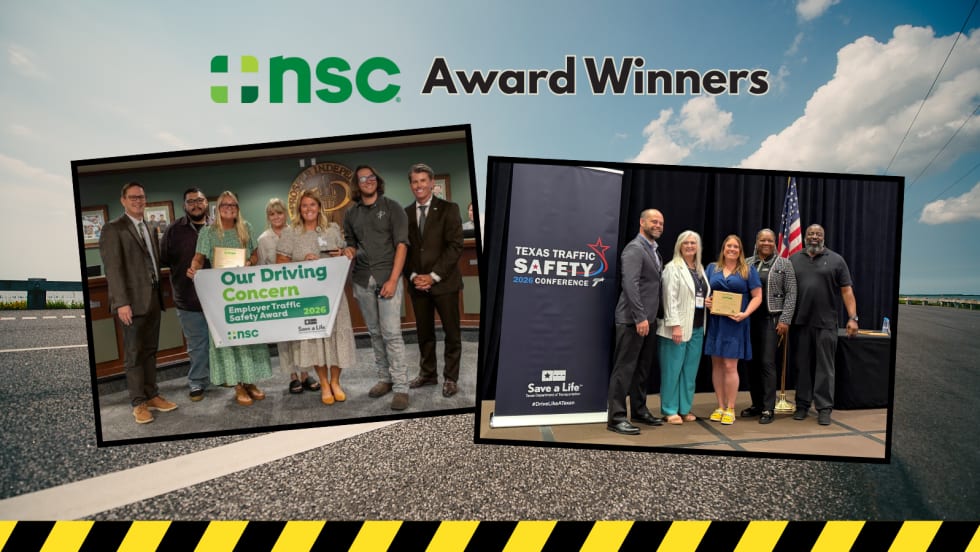
How Two Texas Districts Built Award-Winning Safety Programs
Learn how Prosper ISD and Rockwall ISD earned National Safety Council honors through hands-on training, safety culture, and strategies that reduced transportation incidents.
Read More →
NHTSA Releases 10-Year Review of Fatal School Bus Crashes
The latest federal analysis reinforces the safety of school buses while identifying where school-age pedestrians and other motorists remain most at risk.
Read More →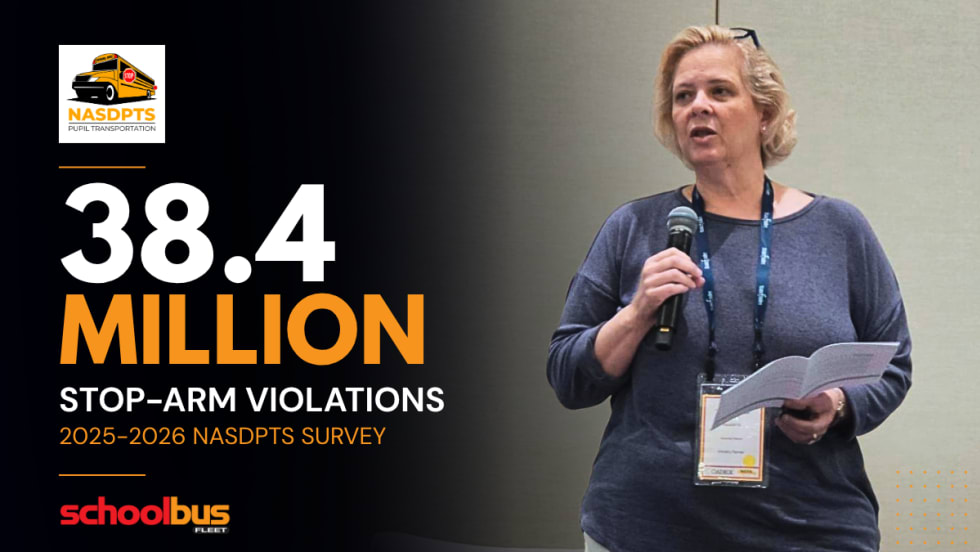
2026 NASDPTS Survey: Data Shows Further Reduction of Illegal Passing
New data is in! School bus stop-arm passings are down to 38.4 million violations per year, about a 2.3% decrease from last school year — but passings on the right side of the bus are higher than ever.
Read More →
Another School Bus Fatality Reported in Monsey, New York
A 7-year-old girl died after being struck by a school bus in Rockland County, New York while crossing the street. Here's what we know.
Read More →