


 MENU
MENU SEARCHMENUSEARCH
Loading data...
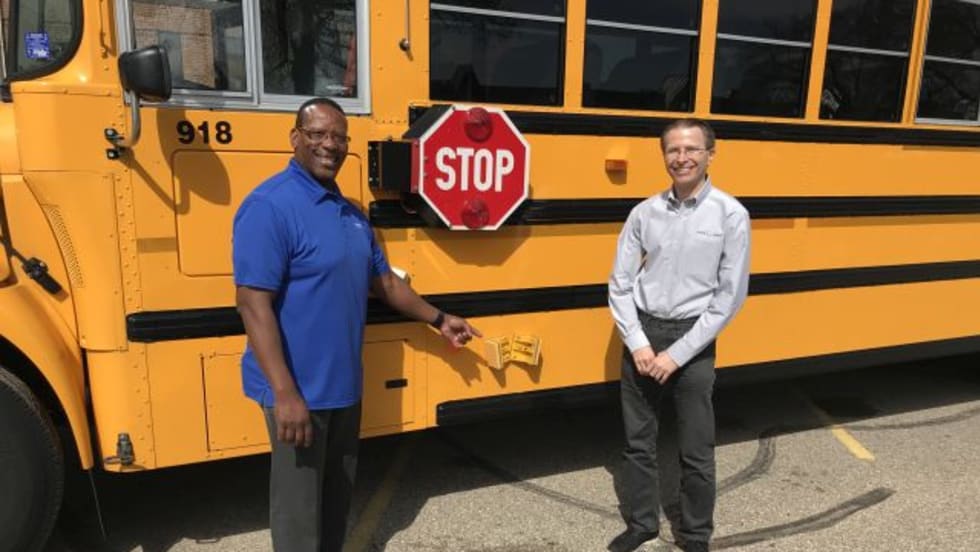
Hopkins (Minn.) Public Schools is testing Safe Fleet’s Predictive Stop-Arm. It uses radar technology and predictive analytics to notify bus drivers and students when risk is detected outside the bus.
Read More →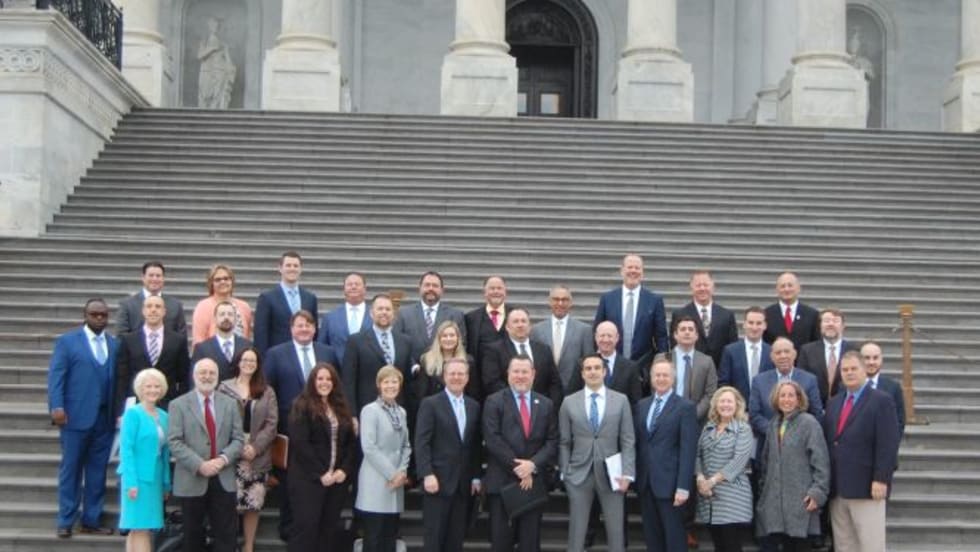
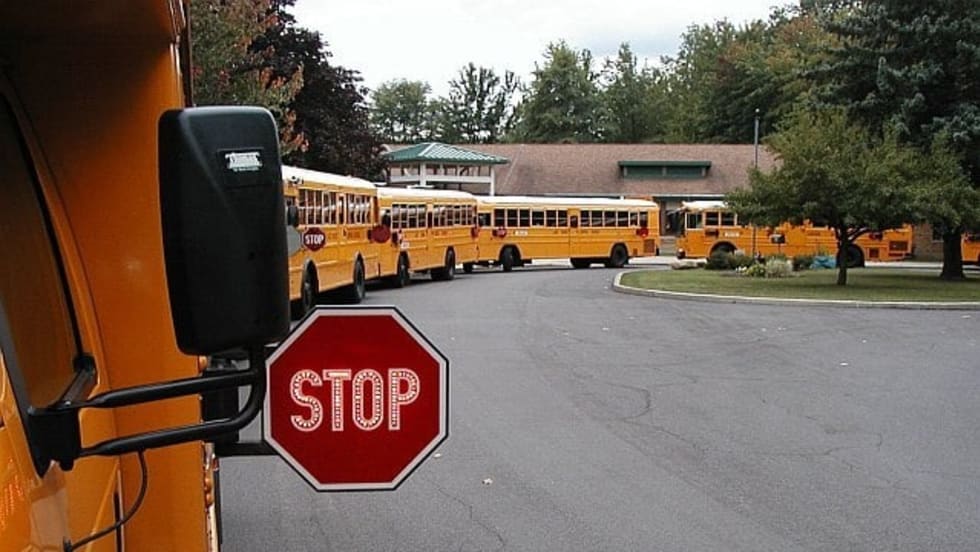


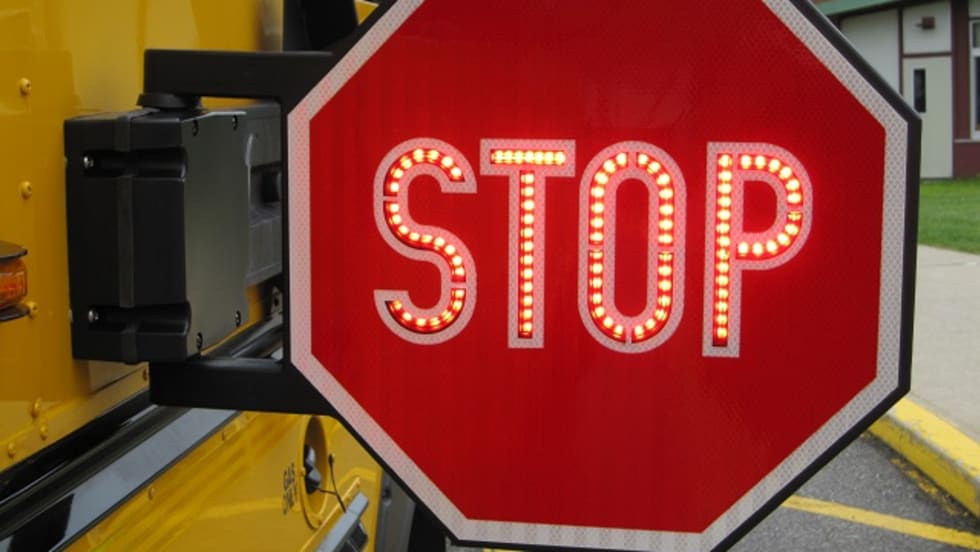

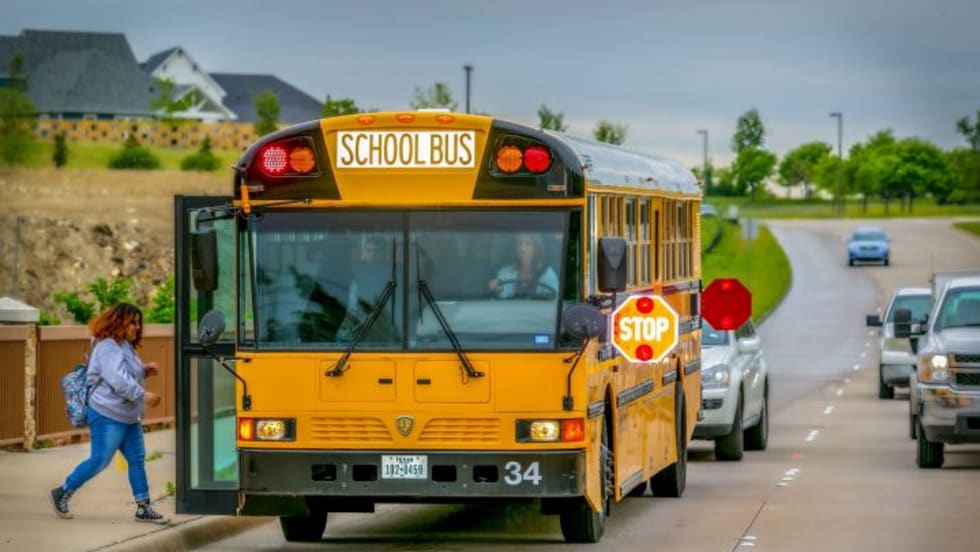

More than 50 NSTA members are participating in over 120 individual meetings in congressional offices to address industry issues such as illegal school bus passing.
Read More →School districts can install the cameras to record evidence of motorists illegally passing buses. Violators are charged a $100 fine and a $100 assessment, part of which goes into a fund to help districts purchase the cameras.
Read More →Loading and unloading procedures and communication were some of the topics covered at the California Association of School Transportation Officials' annual conference in Anaheim.
Read More →U.S. Reps. Jackie Walorski and Julia Brownley’s Stop for School Buses Act would direct the U.S. DOT to review existing laws and programs in all 50 states, recommend best practices, and create a nationwide public safety campaign.
Read More →Reducing the frequency of illegal passing incidents is the focus of this year’s NSTA message to legislators in Washington, D.C.
Read More →Governors sign legislation that double fines for illegally passing a stopped school bus.
Read More →The team of North Carolina students earn over $100,000 in technology for their school after developing a flashing sign to alert students, drivers, and motorists when a school bus is approaching the bus stop.
Read More →A slew of bills are currently being proposed in multiple states to address school bus safety. Most involve toughening penalties on stop-arm running and allowing or even requiring stop-arm cameras on buses.
Read More →House Bill 111 would allow school districts and charter schools to install stop-arm camera systems. The legislation would also let districts use fine revenue to pay for installing and operating the cameras.
Read More →