


 MENU
 SEARCHMENUSEARCH
Loading data...
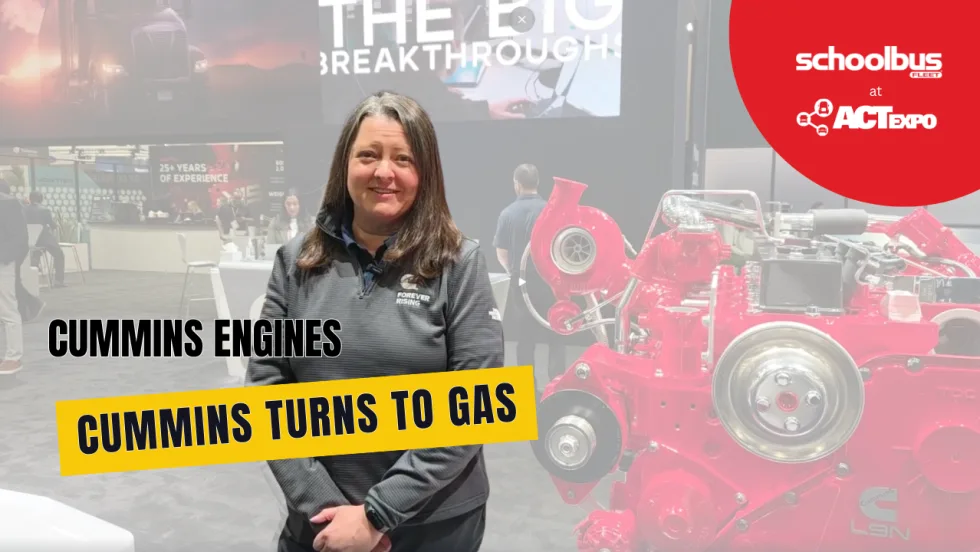
Cummins discusses its first-ever gasoline engine for school buses, EPA 2027, and why bus fleets still want durable, simpler internal combustion options.
Read More →






The federal administration called its 2009 Endangerment Finding rescission "the single largest deregulatory action in U.S. history." It eliminates greenhouse gas emission standards for all vehicles and engines for model years 2012 to 2027 and beyond.
Read More →The Propane Education and Research Council shares information on a new energy source for fleets and its benefits.
Read More →While diesel and gasoline engines will still be the main power source for commercial vehicles for the next decade, fleets are now testing and buying sustainable vehicle technologies in record numbers. That’s according to a new study of fleet use of sustainable vehicle platforms for medium- and heavy-duty fleets, such as natural gas, propane, electric, and renewable fuels.
Read More →Gasoline is gaining ground in full-size school buses. See how today’s options stack up against diesel on cost, maintenance, emissions, performance, and more.
Read More →Ideal for paratransit and on-demand transit fleets, the non-fossil fuel is produced from 100% raw materials, and when paired with an ultra-low NOx engine, brings emission levels to near-zero.
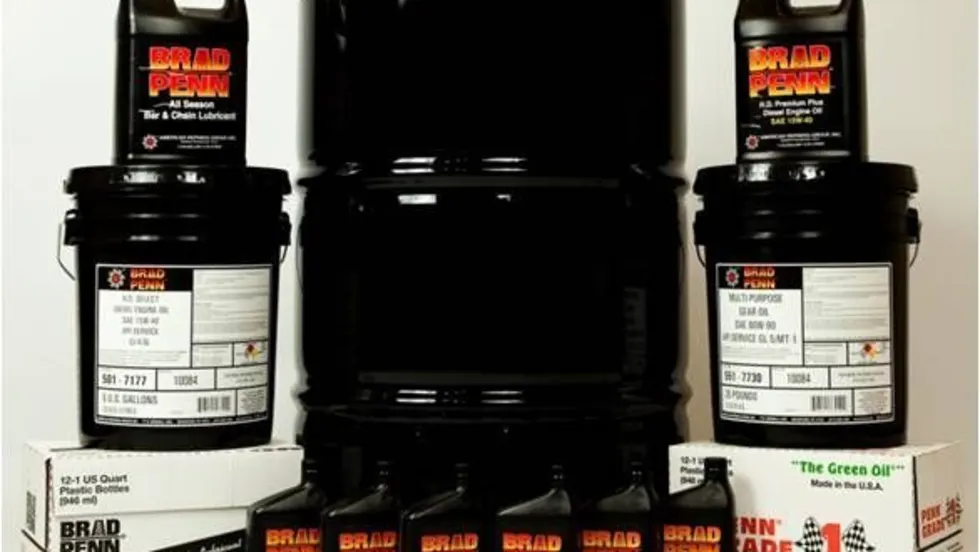
Read More →BRAD PENN Compressed Natural Gas Engine Oil is a multi-viscosity lubricant specifically designed for use in compressed natural gas-fueled vehicles.
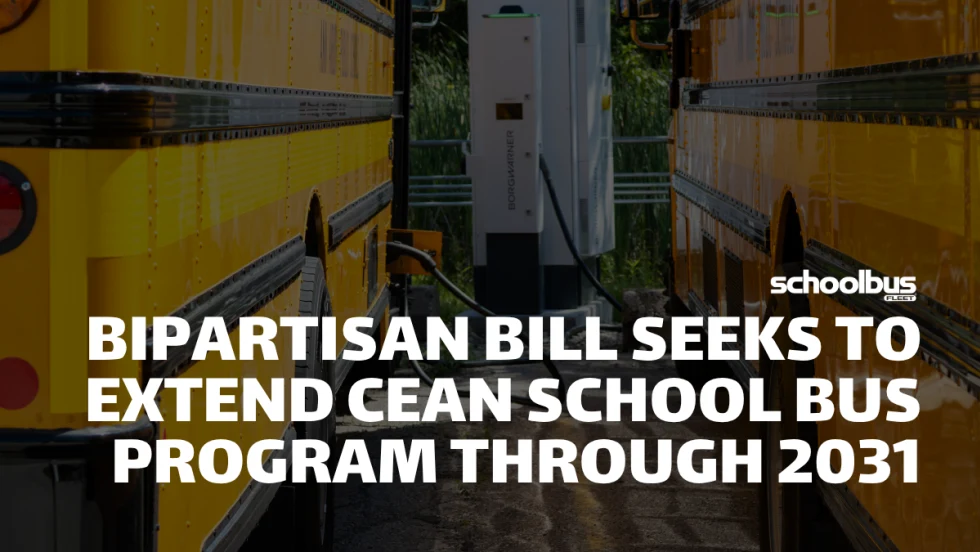
Read More →The proposed legislation would renew federal support for cleaner school buses as districts navigate funding uncertainty, rising fuel and infrastructure costs, and fleet replacement needs.
Read More →Alternative fuels aren’t new to pupil transportation, but their use in school buses has become more widespread in recent years. Officials estimate ...
Read More →With diesel prices surging, school bus fleets have new reason to stress-test fuel costs, consider diversification, and calculate what each route really costs to operate.
Read More →