


 MENU
MENU SEARCHMENUSEARCH
Loading data...
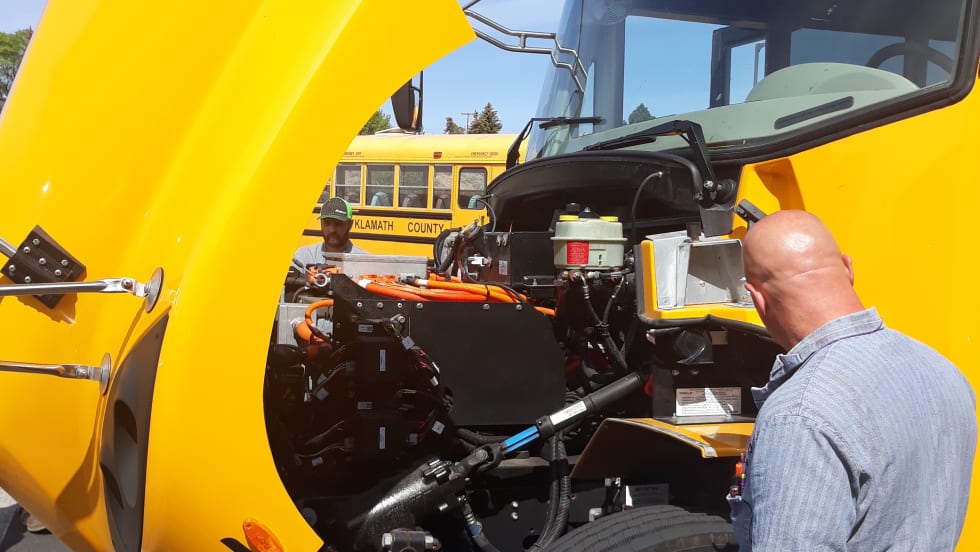
Some components under the hood, such as hoses and coolant, are the same. Key differences include the need to disable batteries during repairs, a noise generator, and significantly fewer parts in an electric motor.
Read More →
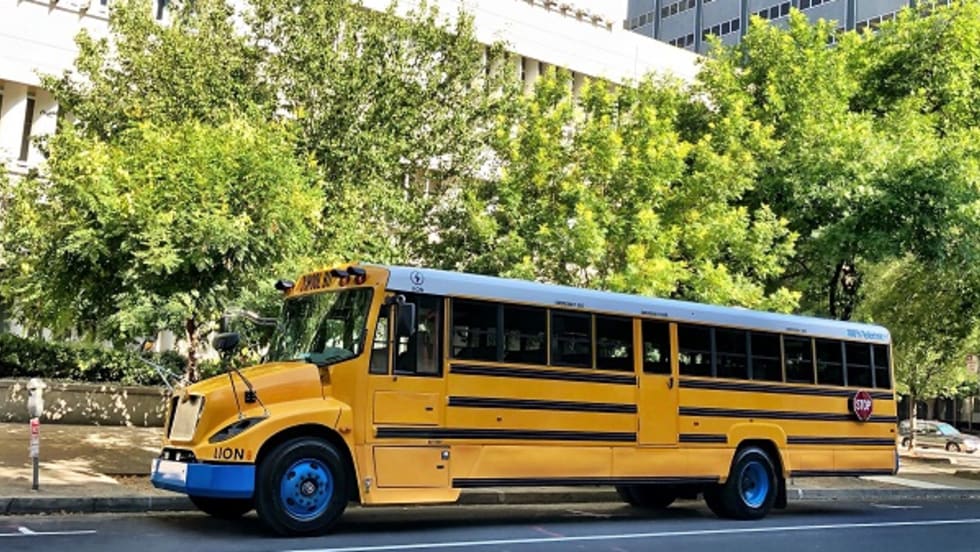
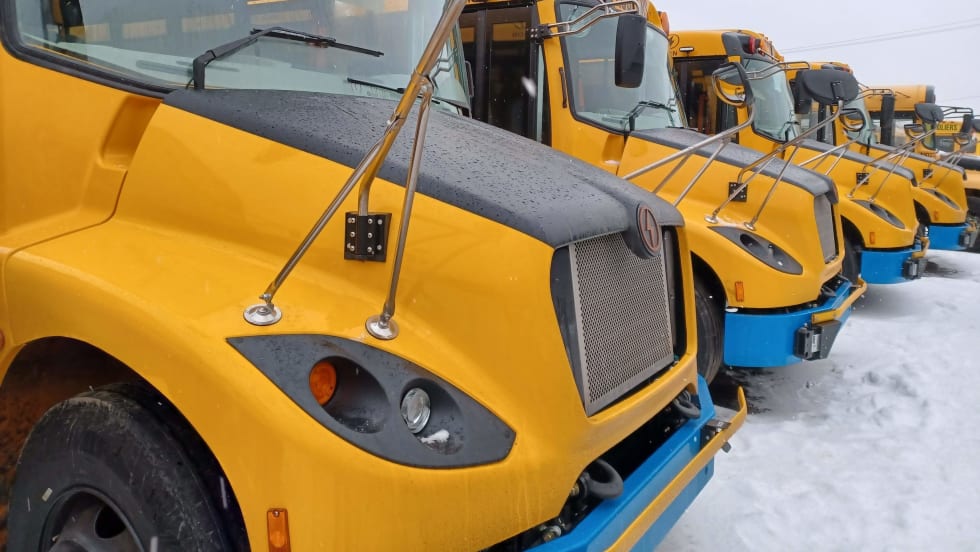
The district issued a purchase order for 25 LionC buses using EPA Clean School Bus Program funding.
Read More →The School District of Philadelphia is making strides to transition from an all-diesel fleet by purchasing a total of 16 gasoline-powered buses from IC Bus and five electric buses from The Lion Electric Co.
Read More →The Electric Bus Learning Project conducts what is reportedly the state’s first-ever electric school bus tour. The project aims to educate school and public transportation operators on various aspects of electrification.
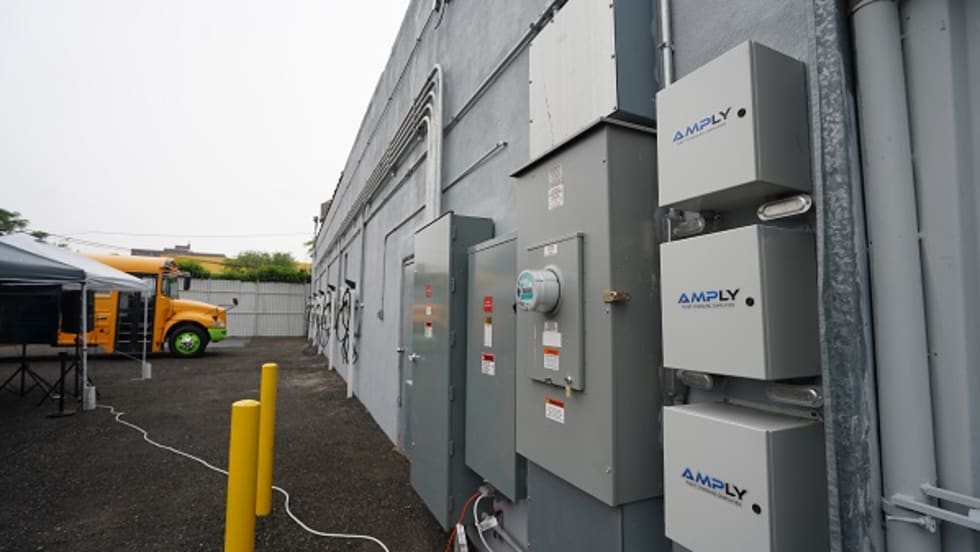
Read More →The California Energy Commission funding goes to BorgWarner, Fermata Energy, and Lion Electric to supporty a vehicle-to-grid project with bus operator American Transportation.
Read More →As pressures mount to convert to alternatively-fueled buses, companies are developing new technologies to track emissions and other key vehicle data.
Read More →The student transportation company purchased more than 200 Lion Electric school buses in 2021. Now First Student is starting to receive the vehicles in Quebec.
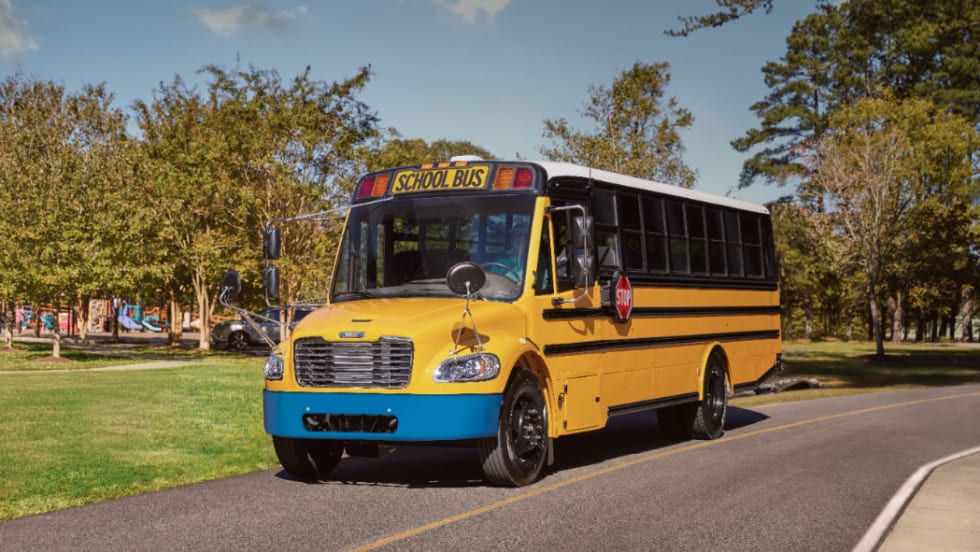
Read More →Peek at the next-generation of the Saf-T-Liner C2 Jouley here, with the scoop on its new tech, features, performance, and more.
Read More →Executive Editor of School Bus Fleet, Wes Platt, recaps some of the latest School Bus Fleet news, including the electric bus roundtable in this episode of The Route.
Read More →Consider this contrast: SBF's 2018 Fact Book listings include 10 school bus body manufacturers. Ten years ago, only six of those companies were in the market.
Read More →