


 MENU
 SEARCHMENUSEARCH
Loading data...

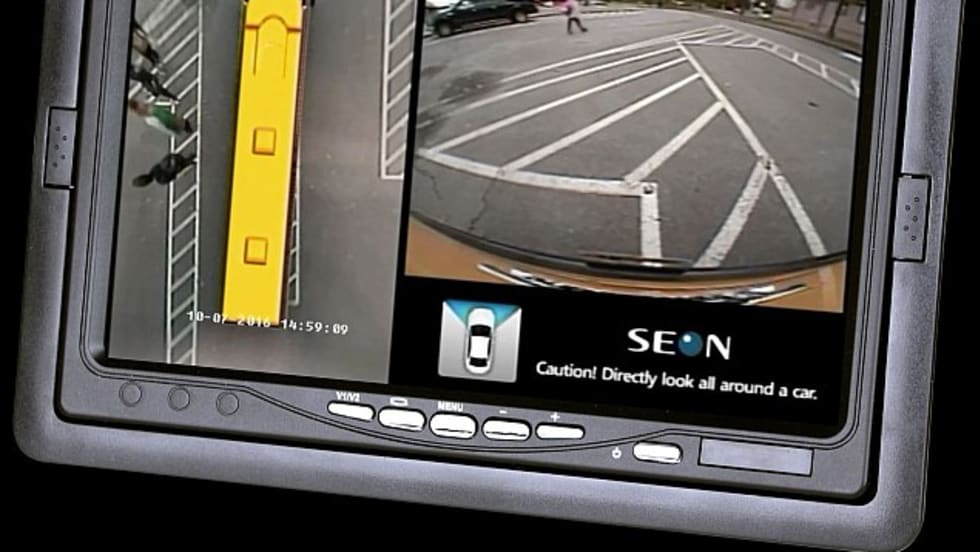
School bus operators who want to track the time and place of student boardings and deboardings have three options: bar codes, radio frequency identification (RFID) and biometric systems. Each has its own benefits and drawbacks.
Read More →

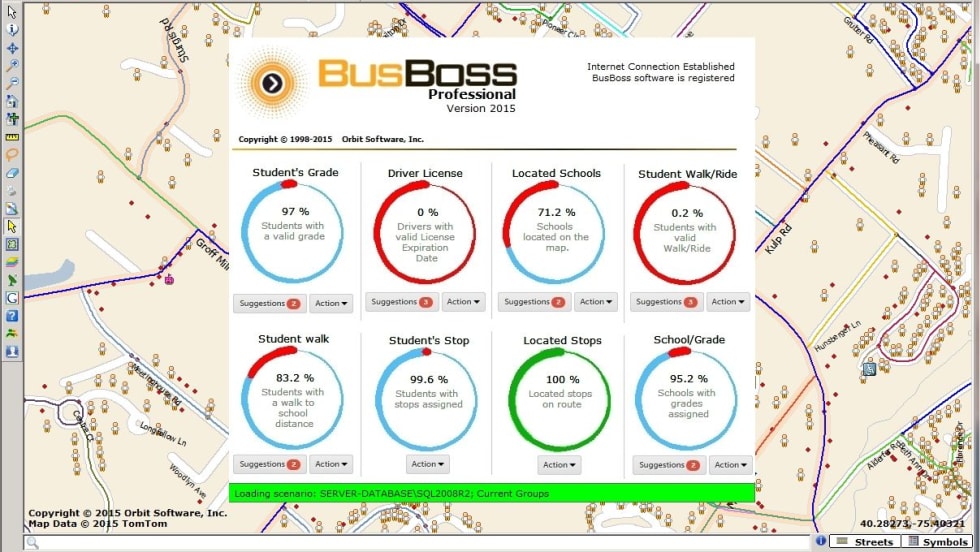
For routing and scheduling, maintenance tasks and information gathering, computers can save time and money.
Read More →Explore how school districts have used two-way radios, GPS, wireless networks, and other communication tools to keep school bus drivers connected and improve safety.
Read More →Investing in a school bus washing system can be a stressful task, but with a little background knowledge of the systems available, solutions are certa...
Read More →Azuga G2 reads the vehicle’s engine data every second and delivers emissions idling reports 60 times more often than traditional GPS systems, officials for Azuga said.
Read More →Choices abound for routing and fleet maintenance software packages that are available on any web-connected device, eliminate the need to spend time importing and exporting data to one central location, and automatically track a variety of information in real time.
Read More →Whether looking for quick and seamless data integration or to boost safety or energy efficiency, school transportation directors have a number of options for the new year.
Read More →Transfinder earned new contracts with school districts in Mississippi and Alabama for its routing solution, Routefinder PLUS.
Read More →Although still in its infancy in school transportation applications, GPS (global positioning system) technology can be used to do more than just track...
Read More →vMax Compass is a web-based application that automatically integrates vehicle location, student location and DVR health status information so school transportation staff can evaluate fleet efficiency in real time. It gives school transportation staff browser-based access to plan and analyze routes, track vehicles and students, and view live status of onboard video equipment.
Read More →