





Related - Zonar Partners With BusPatrol, Launches Fleet Health Solution Suite
Zonar Offers School Bus Drivers Tips for Staying Safe During COVID-19
The smart fleet technology supplier shares a list of practical safety tips and a resource page for bus and truck drivers.
April 21, 2020

Zonar is sharing a list of safety tips and resources for drivers and operators who cannot self-quarantine. Photo courtesy Zonar
3 min to read

Zonar is sharing a list of safety tips and resources for drivers and operators who cannot self-quarantine. Photo courtesy Zonar
SEATTLE — Smart fleet technology supplier Zonar is sharing a list of practical safety tips and comprehensive resources for drivers and operators who cannot self-quarantine.
The list, can be found on Zonar’s COVID-19 resource page, which includes compliance and regulatory assistance and advice, the supplier said in a news release. With the list and resource page, Zonar aims to help drivers and operators determine what information is useful for them amid an overwhelming amount of information being disseminated by various sources.
Zonar is also providing additional support for businesses, bus and truck drivers, and operators via free weekly webinars hosted by the company's safety and compliance team, including on-demand replays and Q & A sessions.
The team, led by Fred Fakkema, vice president of safety and compliance at Zonar, is also providing one-to-one advice for drivers and businesses around compliance and regulations through a form. This is in addition to Zonar’s customer success team, which is at the ready to handle any customer- or product-specific inquiries.
“Amidst this global crisis, our workforce has been divided into essential and nonessential labor, with commercial vehicle drivers becoming some of the most indispensable — and most exposed — people in the U.S.,” Fakkema said. “Now more than ever, we want to proactively help them stay safe and healthy in any way we can by making it easy to find and ask for help and advice and factual information when they need it.”
Compiled with the help of other industry experts and authorities, the following practical tips are meant to be considered in addition to following directions provided by the Centers for Disease Control and Prevention (CDC) and federal and state officials. These tips were crafted keeping in mind real-life situations that many drivers cannot avoid or control.
Here are the tips that are applicable to school bus drivers:
1. Stay in your vehicles as supplies are loaded and unloaded and when possible. Keep your windows up when interacting with another person.
2. Do not touch fuel pumps with your bare hands – they are often the dirtiest areas of a gas station.
3. Decrease the number of times you touch “shared” objects with your bare hands such as credit cards, pens, cups, clipboards, handles, ATM pads, etc.
4. Use a face covering (a mask, scarf, or bandana) and gloves when interacting with people, along with social distancing. Disinfect these objects as much as possible.
5. When you can, go digital or electronic. Avoid receipts, forms, or other physical objects that are passed around without protection.
6. Handwashing with soap is more effective at removing certain kinds of germs, but if you need to make your own hand sanitizer, make sure it contains at least 60% alcohol.
7. Visit Zonar's COVID-19 resource page for updates. Zonar uses trusted industry and government resources for updates including the CDC, Commercial Vehicle Safety Alliance, Federal Motor Carrier Safety Administration, Federal Highway Administration, Small Business Administration (SBA), American Public Transportation Association, and the Cybersecurity and Infrastructure Security Agency.
8. Take advantage of grants and other financial resources if you need assistance. Go here for updates on applying for the SBA’s Paycheck Protection Program and its Economic Injury Disaster Loan Assistance Program. Additionally, Zonar’s grant assistance program with Learn, Design, Apply Inc. can help locate applicable grants.
More Safety

How to Build a Better School Bus Driver Training Program
Is it time to strengthen your driver training? Here’s how to pick the right talent and improve recruitment, retention, and safety. This video is brought to you by IC Bus.
Read More →
Recent School Bus Accidents Leave 2 Dead, 2 Injured
Four school bus crashes in Florida, Illinois, and Georgia highlight risks in transportation lots, at bus stops, and during student loading and unloading.
Read More →
Sponsored•September 8, 2026
When Every Second Matters, Clarity Keeps Routes Moving
From routine delays to urgent incidents, strong communication practices help drivers, dispatchers, schools, and families respond with confidence.
Read More →

What Happens When a School Bus Catches Fire — and What Can Help
School bus fires are rare but can be devastating. Learn how advances in fire suppression and asset protection help fleets detect fires earlier, reduce damage, and improve safety.
Read More →
Geotab Launches Tool to Help Fleets Investigate Road Incidents
Geotab Investigations combines telematics data, video, documents, and other evidence to help fleets reconstruct incidents, resolve claims, and determine what happened.
Read More →
Texas Sixth Grader Wins 2026 National School Bus Safety Poster Contest
Sai Darshana Yekolu of Moseley Middle School in Prosper, Texas, was named the newest winner for her artwork, bringing the theme of “Safe Rides, Everyday Heroes” to life.
Read More →
Sponsored•August 27, 2026
Doing More With Less: How Transportation Directors Can Prioritize Safety Amid Budget Uncertainty
With diesel prices soaring and nearly one-third of transportation directors expecting budget cuts, maintaining student safety has never been more challenging. Download this guide to learn how leading districts are prioritizing risk, funding critical safety technology, and building stronger budget cases with data.
Read More →
Walton County Schools Adds Gatekeeper Stop-Arm Enforcement System
The Florida district will deploy Gatekeeper’s updated Student Protector technology, which now incorporates AI to improve video evidence.
Read More →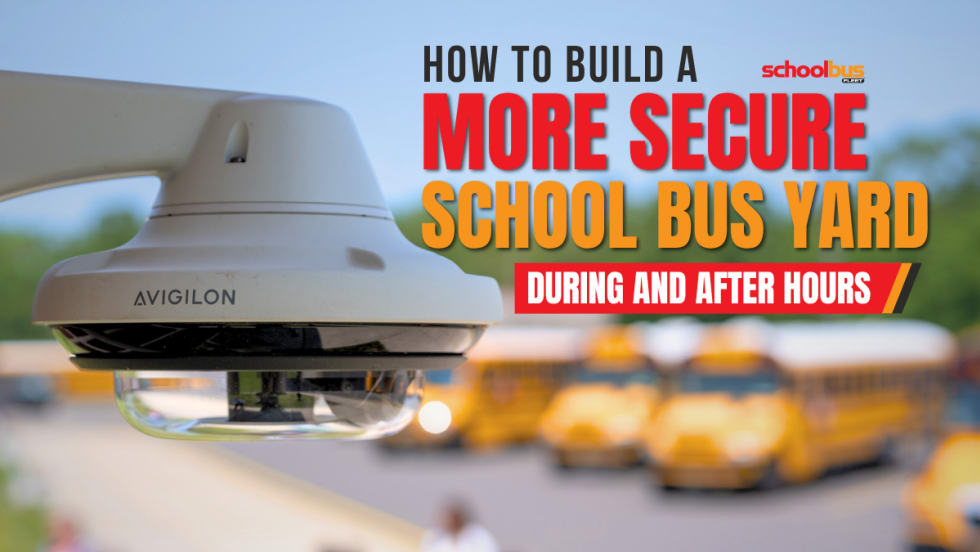
How To Build a More Secure School Bus Yard During and After Hours
As thefts and overnight security threats continue, school transportation leaders are combining stronger operational practices with AI-enabled surveillance to better protect buses, facilities, and staff.
Read More →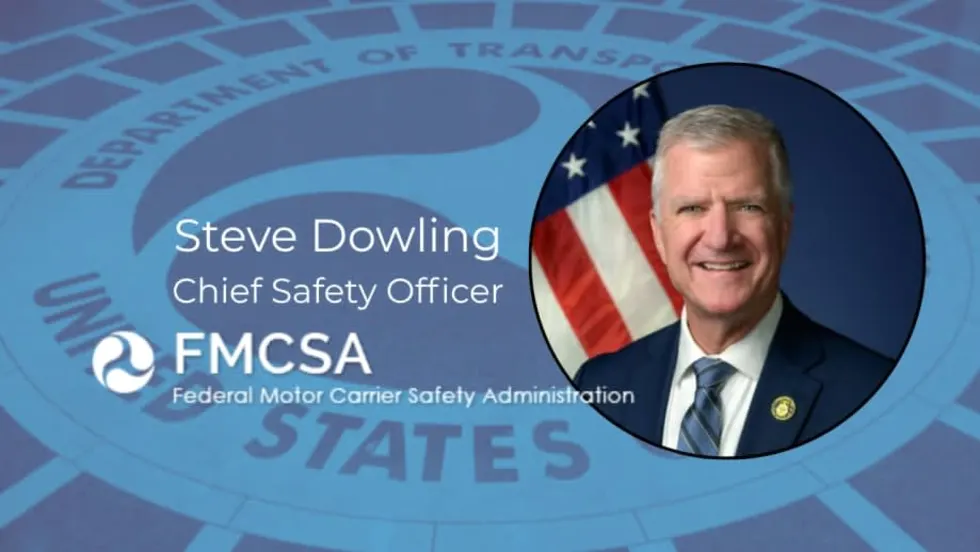
FMCSA Names New Chief Safety Officer: What School Bus Operators Should Know
Steve Dowling is set to lead the federal agency's efforts to advance commercial motor vehicle safety and reduce crashes, fatalities, and injuries on the nation's roadways.
Read More →