




Wisconsin’s Operation Safe Stop Week Targets School Bus Passing
Officers throughout the state are stepping up enforcement to crack down on motorists illegally passing school buses.

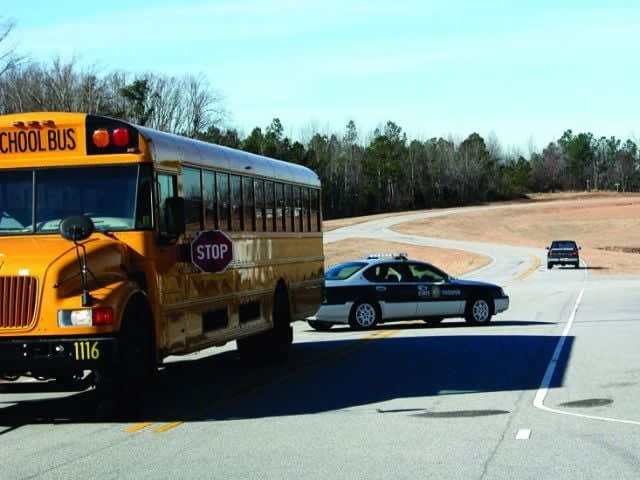
Officers in Wisconsin are cracking down on motorists illegally passing school buses this week. File photo from North Carolina Operation Stop Arm
Officers in Wisconsin are cracking down on motorists illegally passing school buses this week. File photo from North Carolina Operation Stop Arm
School transporters and law enforcement officers in Wisconsin are promoting the importance of stopping for school buses this week.
Wisconsin Operation Safe Stop Week is a joint effort of school bus operations in the state, the Wisconsin School Bus Association, and the Wisconsin State Patrol.
Officers throughout the state are stepping up enforcement to crack down on motorists illegally passing school buses.
According to the Wisconsin School Bus Association, an estimated 828 vehicles per day illegally pass school buses in the state. Wisconsin has more than 13,000 school buses transporting about 515,000 students to and from school daily.
Oak Creek-based Go Riteway Transportation Group is among the school bus contractors participating in Wisconsin Operation Safe Stop Week. The company issued a press release with tips for motorists approaching stopped school buses.
“We’re proud to take part in this very important program,” said David Butcher, vice president of safety for Go Riteway. “With the new school year starting, it’s critical to remind drivers that school buses are on the road again and that they need to obey the flashing lights indicating children are either getting on or off the bus.”
Along those lines, the Wisconsin State Patrol dedicated its “Law of the Month” for September to the rules designed to protect students as they travel to and from school.
“Children aren’t always thinking about their own safety, so drivers need to be alert and cautious at all times,” State Patrol Superintendent J.D. Lind said. “This includes being ready to stop when school buses load and unload passengers, and to watch for children who are walking or biking.”
State law requires drivers to stop at least 20 feet from a stopped school bus that has its red warning lights flashing and stop arm extended. The law applies when approaching a school bus from either direction, except for motorists on the opposite side of a roadway that is divided by a median or other physical barrier.
School bus drivers in Wisconsin are authorized to report stop-arm violations to law enforcement. The infraction can result in a fine of $326. The vehicle owner can be held responsible even if he or she wasn’t the offending driver.
More Safety
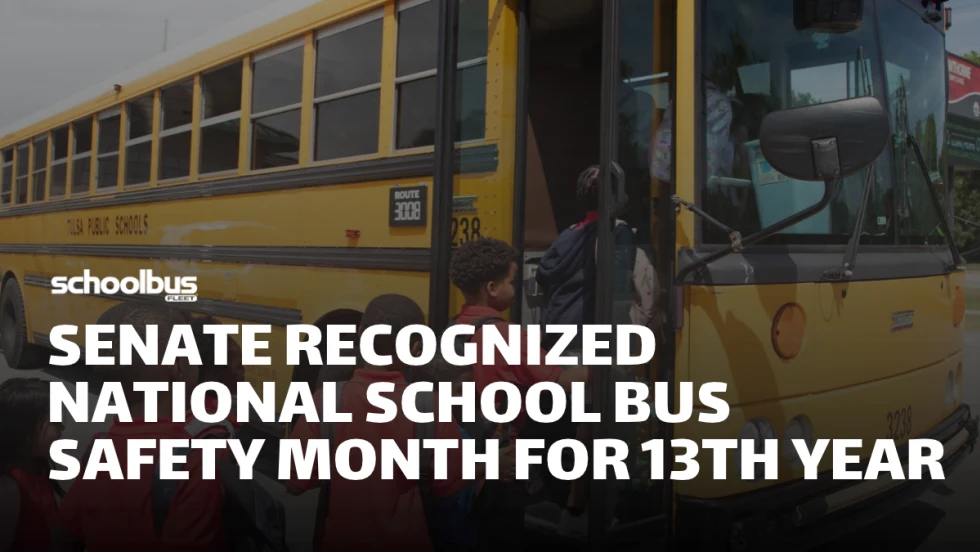
What the 2026 National School Bus Safety Month Resolution Means for Student Transportation
The bipartisan resolution highlights illegal school bus passing, student safety during loading and unloading, and the need for driver training and public education.
Read More →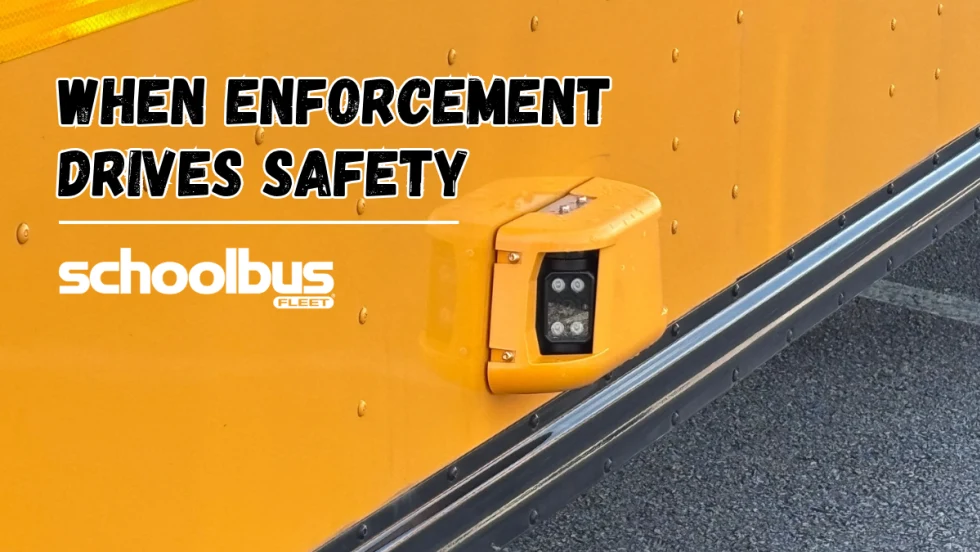
School Bus Stop-Arm Violations Decline 53% Across Verra Mobility Programs
Verra Mobility shares how school bus stop-arm cameras and school zone safety programs are changing driver behavior, reducing violations, and protecting students.
Read More →
Most Bus Crashes Aren’t Your Fault. Here’s How to Prove It.
A guide for what to do in between a school bus crash and a claim: what to preserve, who to notify, and how to keep the facts available when they matter.
Read More →
National School Bus Safety Week 2026: Tips, Toolkits & Resources to Keep Students Safe
School bus safety takes more than awareness. Explore expert tips, enforcement strategies, and free resources to help protect students on every ride.
Read More →
2 Killed, Dozens Injured in Florida School Bus Crash
A multi-vehicle collision caused a Polk County school bus carrying 37 students to overturn on its way to Winter Haven High School.
Read More →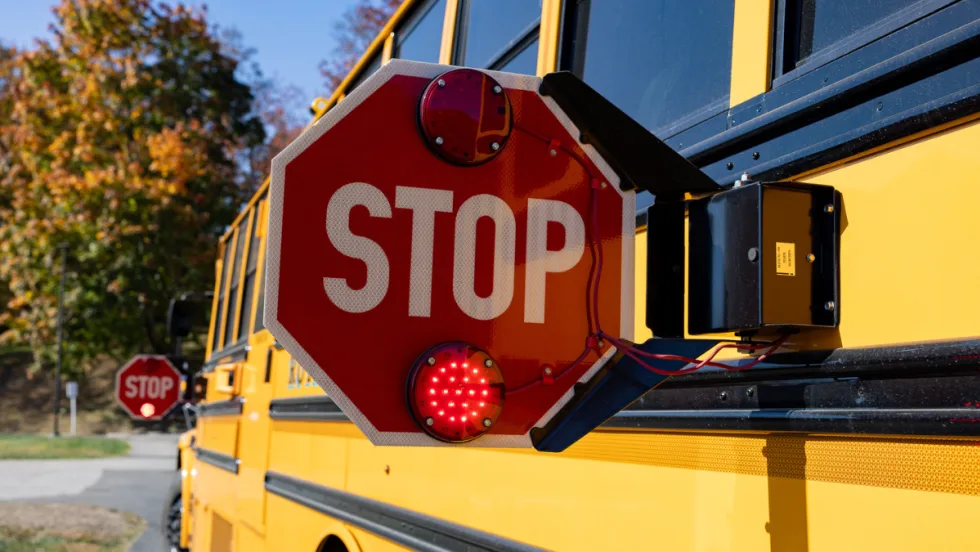
Illegal School Bus Passing Drops 24% in New York Districts
With fewer than 5% of citations involving repeat offenders, Westchester County officials said enforcement, education, and community partnerships are helping change driver behavior.
Read More →
School's Back. Here's What Happened to Traffic, Speeding & Distraction
What happens to traffic when school resumes? New data analysis examines changes in distracted driving, congestion, and speeding around schools.
Read More →
Geotab Expands Fleet Safety Tools With Video Coaching, Risk Insights
New safety and video capabilities aim to help fleet managers assess risk, support drivers, and take targeted action through video coaching, red-light violation detection, and more.
Read More →
How to Build a Better School Bus Driver Training Program
Is it time to strengthen your driver training? Here’s how to pick the right talent and improve recruitment, retention, and safety. This video is brought to you by IC Bus.
Read More →
Recent School Bus Accidents Leave 2 Dead, 2 Injured
Four school bus crashes in Florida, Illinois, and Georgia highlight risks in transportation lots, at bus stops, and during student loading and unloading.
Read More →