




Related - Back-to-School Planning: Minimizing COVID-19 Liability Exposure
Webinar Details COVID-19 Federal Guidance, Offers Risk Mitigation Tips
School Bus Fleet’s recent webinar, “Guidance on Compliance: Regulations and Mitigating Risk as Schools Reopen,” is now available online.

Nicole Schlosser・Former Executive Editor
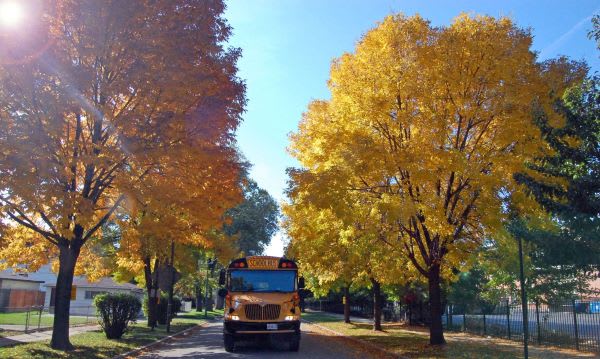
School Bus Fleet’s recent webinar, “Guidance on Compliance: Regulations and Mitigating Risk as Schools Reopen,” is now available online.
File photo courtesy Sunrise Transportation
2 min to read
As schools prepare to reopen, pupil transporters will be required to make significant adjustments to their buses and operations, establishing increased safety procedures for employees and students to accommodate in-person education during the COVID-19 pandemic.
On Wednesday, School Bus Fleet hosted a webinar, “Guidance on Compliance: Regulations and Mitigating Risk as Schools Reopen.” The speaker, Matthew Daus, a partner at the Transportation Practice Group at Windels Marx Lane and Mittendorf, as transportation technology chair at the City University of New York’s Transportation Research Center, and president of the nonprofit educational and advocacy group International Association of Transportation Regulators, shared his expertise on new federal recommendations related to pupil transportation.
Daus outlined guidance on providing safe student transportation during the pandemic from the Centers for Disease Control and Prevention (CDC), the Occupational Safety and Health Administration (OSHA), and the Equal Employment Opportunity Commission (EEOC). He advised pupil transporters to be sure they have a “Return to Work Safety Plan” in place that conforms with guidance from the three federal organizations. That plan should include practices for social distancing; hygiene and cleaning and use of EPA-approved cleaning products; communication; mask use and disposal; screening; contact tracing; and procedures for sick employees.
Another topic that Daus covered was liability issues. He noted, for example, that employers cannot exclude employees with underlying health conditions from on-site work locations. However, they can, as part of their Return to Work Safety Plan, screen employees for COVID-19 and make “disability-related inquiries and conduct medical exams if job related and consistent with business necessity” to exclude an employee with a medical condition that poses a direct threat to health and safety. Additionally, Daus said, employers should prepare a direct threat analysis that includes an assessment of an employee’s condition based on relevant factors and a determination of whether a threat can be reduced or eliminated through reasonable accommodation.
Daus also recommended details to consider for effective contract negotiations during the pandemic.
More Management
EverDriven Launches Route Consolidation Calculator to Estimate Diesel Savings
As diesel prices hit record highs, the largest alternative transportation provider says a 10% route consolidation could save a 120-route district more than $78,000 a year in fuel alone.
Read More →
Zum Secures Continued Financing Support for School Bus Expansion
Generate Private Credit has financed approximately $75 million in school bus deployments across three states, supporting more than 500 buses as Zum expands across the county.
Read More →
Beyond Discipline: A Different Approach to Student Behavior on the Bus
After implementing a dean of students program in Oregon, North Clackamas is seeing positive improvements. Here’s how it worked. The Route is brought to you by IC Bus.
Read More →
A Dean of Transportation's Different Approach to Student Behavior on the School Bus
After implementing a dean of students program in Oregon, North Clackamas is seeing positive improvements on the bus. Here’s how it worked.
Read More →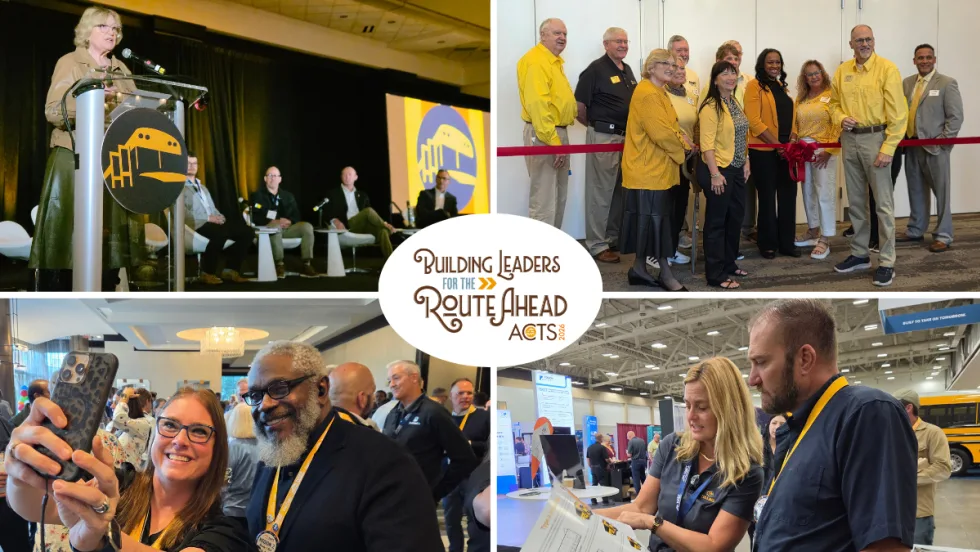
Inside NAPT ACTS 2026: Highlights from Louisville
From federal updates and student behavior strategies to new school bus technology and industry awards, see highlights from NAPT ACTS 2026 in Louisville.
Read More →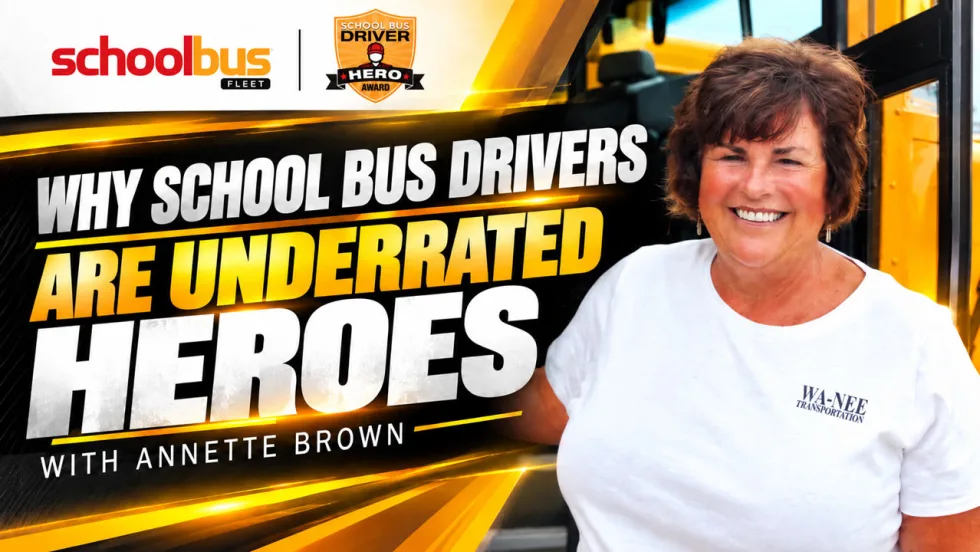
Meet the 2025 School Bus Driver Hero Winner: Annette Brown
We caught up with Wa-Nee Community Schools' Annette Brown on site at SBFX, where she was named the 2026 School Bus Driver Hero Award winner. Hear about her reaction, what she loves most about being a school bus driver, and more!
Read More →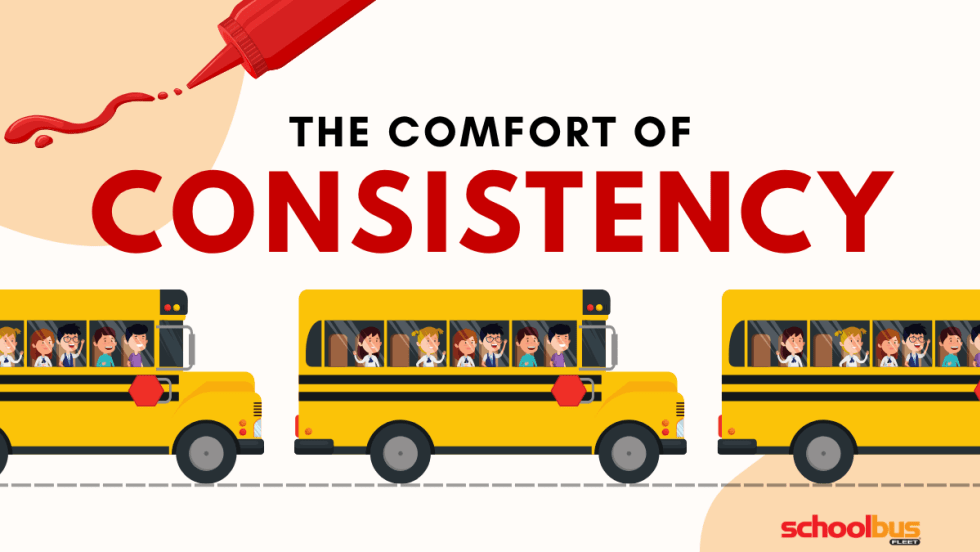
Predictability Is Like Ketchup (According to 6-Year-Olds)
To students, a different school bus can feel like a full-blown crisis. One driver reflects on why familiar routines, showing up on time, and being reliably boring matter more than we think.
Read More →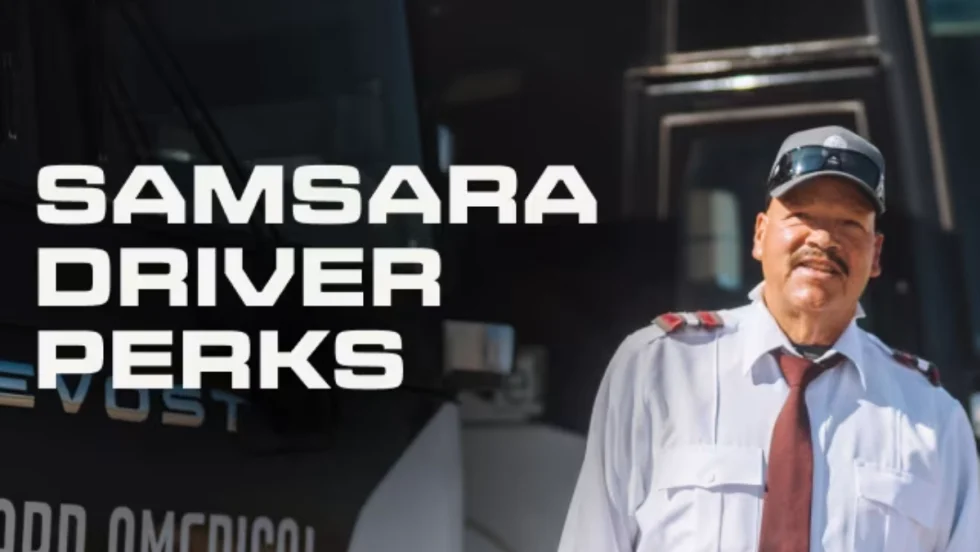
Samsara Launches Free Driver Rewards Program
The new Driver Perks program gives eligible professional drivers access to discounts and offers without adding a cost for participating fleets.
Read More →
How Tax-Exempt Municipal Leases Can Help Finance School Buses
Let’s explore school bus financing options, including municipal leases, vendor payable accounts, and balloon payments, and how they can help stretch fleet budgets.
Read More →
Nominate Rising School Transportation Pros Under 40!
We’re searching for the next generation of leaders making an impact across the K-12 student transportation industry to recognize as SBF’s 2027 Trailblazers. Nominations are open now!
Read More →